






Introduction to Indian Flavors
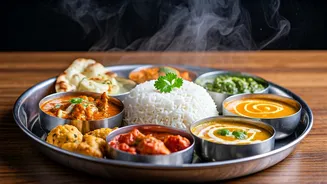
Indian cuisine is celebrated globally for its rich tapestry of flavors, aromas, and textures. It is fundamentally shaped by geography, religion, and regional
differences. A significant characteristic is the extensive use of spices, which are not merely for flavor, but are also believed to have medicinal properties. Common spices include turmeric, cumin, coriander, and cardamom, each contributing distinct notes and colors to the dishes. The use of ghee (clarified butter) and various types of oil is fundamental for frying and cooking. Ingredients like rice, lentils (dal), and a variety of vegetables form the base of many meals, catering to vegetarians and non-vegetarians alike. Across India, there’s an incredible variety in cooking techniques; the southern regions are known for their use of coconut milk and seafood, while the north is famous for its tandoori cooking and creamy sauces. Indian food's diversity ensures there's something to please everyone's palate, making it a beloved cuisine around the world.
Aromatic Chicken Curry
Chicken Curry is a beloved Indian staple that beautifully showcases the harmonious blend of spices. The preparation typically involves marinating chicken pieces in a mixture of yogurt and spices, often including ginger-garlic paste, turmeric, chili powder, and garam masala. This marination process helps tenderize the chicken and allows the flavors to penetrate deeply. The curry is made by sautéing onions, tomatoes, and aromatic spices in oil or ghee until they form a flavorful base. The marinated chicken is then added and simmered until it is cooked through and the sauce thickens. Coconut milk or water can be added for extra creaminess, depending on the preferred consistency. Chicken Curry can be adapted to personal preferences; some recipes include potatoes or other vegetables, and the level of spice can be easily adjusted. Served hot with rice or roti, it provides a warm, satisfying meal that is both comforting and flavorful.
Vegetable Biryani Delight
Vegetable Biryani is a fragrant and flavorful rice dish that is a staple in Indian cuisine. It combines basmati rice, vegetables, and a medley of aromatic spices cooked together to perfection. The process typically begins by sautéing vegetables such as carrots, peas, and potatoes along with onions, ginger-garlic paste, and spices like cumin, coriander, and cardamom. Layering is key: partially cooked rice is often layered with the vegetable mixture in a pot. Sometimes, ingredients are pre-fried or parboiled to enhance the texture and flavors. Saffron-infused milk is sometimes poured over the rice for color and an added aroma, adding depth to the recipe. The dish is then sealed and slowly cooked on low heat, a process called 'dum,' allowing the flavors to meld and infuse into every grain of rice. When properly prepared, the biryani should have distinct layers of rice and vegetables with a fluffy texture, releasing a heady aroma that excites the senses.
Creamy Palak Paneer
Palak Paneer is a vegetarian delicacy that showcases the beauty of spinach and paneer (Indian cheese). The core of this dish is the spinach puree, which is typically prepared by boiling or sautéing spinach leaves until they are softened, and then pureeing them into a smooth consistency. The paneer is usually cut into cubes and lightly fried to achieve a golden crust, which adds a delightful texture. The cooking process involves sautéing onions, tomatoes, and spices, such as ginger-garlic paste, turmeric, and garam masala, in oil or ghee, forming a flavorful base. The spinach puree is then added, followed by the paneer cubes. The dish is gently simmered, allowing the flavors to meld, and finished with a touch of cream for richness and a smoother texture. Palak Paneer is often enjoyed with roti or naan, offering a comforting and wholesome meal that highlights the simplicity of Indian vegetarian cuisine.
Flavorful Chana Masala
Chana Masala is a comforting and flavorful chickpea curry, beloved for its simplicity and rich taste. This dish begins with chickpeas (chana), either soaked and cooked from dried or simply used from a can. The chickpeas are cooked with a blend of spices, including turmeric, coriander, cumin, and garam masala, which is a key component to the dish's flavor profile. The cooking process often includes sautéing onions, tomatoes, ginger-garlic paste, and spices in oil or ghee, forming a flavorful base. The cooked chickpeas are then added to this masala and simmered until the flavors blend perfectly. Some recipes call for a touch of dried mango powder (amchur) for a slight tanginess, which balances the spices. Chana Masala is typically served with rice, roti, or bhatura (a deep-fried bread), offering a satisfying and filling meal that can be easily customized to suit individual preferences. The dish is a testament to how simple ingredients can create a world of flavors.
Tangy Aloo Gobi Recipe
Aloo Gobi is a dry Indian dish comprising potatoes (aloo) and cauliflower (gobi), seasoned with a variety of spices. The cooking process usually starts with sautéing the cauliflower and potatoes with onions, ginger-garlic paste, and spices like turmeric, cumin, and coriander. The vegetables are cooked until they are tender and slightly golden. The distinct flavor of Aloo Gobi comes from the careful balance of spices, which often includes a touch of chili powder for heat. The dish is cooked over medium heat until the potatoes and cauliflower are fully cooked and slightly crisp around the edges. This allows the spices to infuse and enhances the flavors of the dish. Aloo Gobi is a quick and easy recipe to prepare, and can be served as a side dish, or can be enjoyed with roti or paratha, making it a perfect accompaniment for any Indian meal. It’s a great way to showcase how simple ingredients can deliver satisfying and delicious results.
Lentil Dal Makhani
Dal Makhani is a rich and creamy lentil dish that is a staple in many Indian restaurants. The dish traditionally involves slow-cooking black lentils and kidney beans overnight, which is a critical step in achieving the desired texture and flavor. The lentils are cooked in a creamy tomato-based sauce, often enhanced with butter and cream, contributing to its luscious texture. The slow cooking process allows the lentils to absorb the flavors fully, creating a deep and complex taste. Spices like ginger-garlic paste, garam masala, and red chili powder add to the rich flavor profile of Dal Makhani. The dish is often finished with a dollop of fresh cream and a sprinkle of coriander leaves. The richness of Dal Makhani makes it a perfect accompaniment with rice or naan. It is a satisfying dish that is celebrated for its decadent taste.
Spicy Vegetable Samosas
Vegetable Samosas are a popular Indian snack, known for their crispy, flaky crust and flavorful filling. The filling typically consists of mashed potatoes, peas, onions, and various spices, like cumin, coriander, and chili powder. The preparation begins by making the samosa dough, typically consisting of all-purpose flour, water, and oil. The dough is rolled out into thin sheets, which are then filled with the spiced vegetable mixture. The samosas are carefully sealed and deep-fried until they turn golden brown and crispy. These are served with chutneys like tamarind or mint-coriander. The crispy exterior combined with the soft, spiced filling, makes samosas a popular snack across all ages. They are perfect for sharing at any gathering or enjoyed as a delightful snack.
Sweet Gulab Jamun Recipe
Gulab Jamun is a classic Indian dessert, renowned for its soft, spongy texture and sweet syrup. These deep-fried milk balls are soaked in a fragrant sugar syrup infused with cardamom and rose water (gulab). The process starts with making a dough from milk solids (khoya), all-purpose flour, and baking powder. Small balls are then formed and deep-fried until golden brown. The sugar syrup, typically made by boiling sugar and water with the addition of cardamom and rose water, is prepared separately. The fried Gulab Jamuns are immediately soaked in the warm syrup, allowing them to absorb the sweetness and the aroma. The longer the Gulab Jamuns soak, the softer and more flavorful they become. They are usually served warm, making them a comforting treat that is loved by all. Gulab Jamun represents a sweet conclusion to any Indian meal, and is enjoyed at various celebrations.
Refreshing Mango Lassi
Mango Lassi is a refreshing and creamy Indian drink, blending the tropical sweetness of mangoes with the tang of yogurt. The drink is made by combining ripe mango pulp, yogurt, milk, and sugar in a blender. The ingredients are combined and blended until the mixture achieves a smooth and frothy consistency. A pinch of cardamom can be added for extra flavor, enhancing the drink's aroma. The mango lassi is typically served cold, often garnished with chopped mango pieces. This delicious drink is the perfect accompaniment to spicy Indian dishes as it cools the palate. Mango Lassi provides a refreshing balance of flavors and is a popular choice during the hot summer months. It is an easy and delightful way to enjoy the goodness of mangoes.