
What is gluten-free?
Gluten-free foods are designed to exclude gluten, a protein present in grains like wheat, barley, and rye. These foods are frequently chosen by people
with celiac disease, a condition where gluten triggers an immune response, damaging the small intestine. A gluten-free diet helps manage their symptoms and prevents further harm. Gluten is found in many common foods, which includes bread, pasta, and baked goods. Gluten-free foods substitute these with alternatives like rice flour, cornstarch, or other gluten-free grains. But, simply because a food is gluten-free doesn't mean it is inherently healthy; careful label reading and informed choices are important to create a balanced diet.
Healthier Than Regular?
The perception that gluten-free foods are always healthier is a common misconception. For individuals without gluten sensitivities or celiac disease, a gluten-free diet might not necessarily lead to improved health. Many gluten-free products available in the market are highly processed and may contain more sugar, fats, or sodium to enhance flavor and texture, compensating for the lack of gluten. Also, some gluten-free alternatives lack the essential nutrients found in whole grains, such as fiber and B vitamins, leading to potential nutrient deficiencies. The health benefits of a gluten-free diet for the general population are, therefore, not as clear-cut as some believe. The key is to examine the entire dietary pattern and to make balanced, informed decisions.
Types of Foods
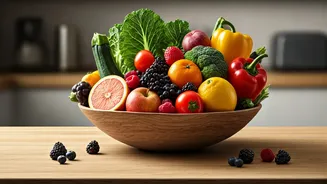
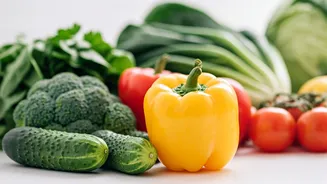
The range of gluten-free foods has expanded significantly, and now includes both naturally gluten-free foods and gluten-free versions of traditionally gluten-containing foods. Naturally gluten-free foods are those that don't contain gluten in the first place, like fruits, vegetables, lean proteins, and many dairy products. Gluten-free alternatives include items like gluten-free bread, pasta, and cookies, crafted from ingredients such as rice flour, tapioca starch, or almond flour. These are processed to mimic the taste and texture of their gluten-containing counterparts. Choosing these alternatives wisely and reading food labels carefully is essential to ensure they align with your health goals, as the nutritional content can differ widely.