







Initial Observation: The Slide
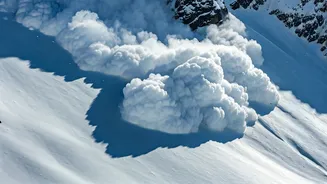
The initial assessment of the avalanche video begins with a close examination of the slide itself. The video captures the descent of a large mass of snow
down a mountain slope. The expert's analysis likely focuses on several key aspects, including the size and speed of the avalanche, the type of snow involved, and the terrain over which the snow is moving. Observations of the slide’s start point and how it progresses will allow for the determination of the instability that led to the event. The video's visual data, combined with information about weather conditions, snowpack layers, and slope characteristics, provides valuable insights into the causes of avalanches.
Snowpack and Instability
A critical aspect of the analysis involves understanding the snowpack's characteristics and its instability. The expert likely examines the composition of the snow layers, looking for weak layers that could have triggered the avalanche. Factors like temperature gradients, wind loading, and the presence of buried surface hoar (ice crystals) significantly influence the snowpack's stability. Identifying these weak points within the snowpack is crucial for determining the avalanche's initiation and propagation. The expert will also discuss the role of recent snowfall, changes in temperature, and other weather-related factors that can exacerbate instability, emphasizing the need for a comprehensive assessment of the snowpack before entering avalanche-prone areas.
Trigger Mechanisms Explained
The expert's analysis probably addresses the triggers that initiated the avalanche. Avalanches can be triggered naturally, such as by heavy snowfall or changes in temperature, or by human activity. The video might provide clues about the trigger mechanism, such as the presence of skiers or snowboarders. If a human trigger is identified, the analysis would examine how the person's actions, like the weight and movement, contributed to the avalanche. If it was natural, the expert will identify the predisposing factors. This part is crucial for understanding how and why avalanches occur, and what can be done to avoid triggering them. Insights gained can underscore the importance of safe travel and decision-making in the mountains.
Terrain and Slope Analysis
Analyzing the terrain and slope characteristics is another essential part of the examination. The expert assesses the angle of the slope, as steeper slopes are more prone to avalanches. They also look at the shape of the terrain, considering features like gullies, bowls, and convex rolls that can channel snow and create stress points. Vegetation, or the lack thereof, on the slope is also significant. Areas with fewer trees and bushes may offer less resistance and increase the risk of an avalanche. The analysis also covers how the terrain can affect the avalanche's path, size, and potential impact. Understanding these factors is important for assessing avalanche risk and identifying safe routes in the mountains.
Human Factors and Safety
The video's analysis likely stresses the importance of human factors and safety measures. It could explore decisions made by individuals in the video, such as route selection or assessments. The expert may emphasize the need for education, training, and experience in avalanche safety. The analysis could suggest ways people can decrease risk, such as checking weather forecasts and avalanche conditions, carrying essential safety gear like transceivers, probes, and shovels, and knowing how to use them. The expert probably stresses the need to make safe and informed choices in avalanche terrain, and underscores the value of constant learning and awareness.