







Meal Planning Magic
Effective meal planning is the foundation of hassle-free cooking. Begin by setting aside some time each week to plan your meals. Consider your schedule
and your family's preferences. Start by reviewing your current pantry and refrigerator to utilize existing ingredients, cutting down on food waste. Then, create a meal plan outlining what you'll eat for each day of the week. Write a grocery list based on your meal plan, making sure to include all necessary ingredients. Cooking in batches and making use of leftovers are strategies that will save you time later in the week. By dedicating a bit of time to planning, you can eliminate the daily dilemma of 'What's for dinner?' and ensure you always have a delicious meal ready to go.
Quick & Easy Recipes
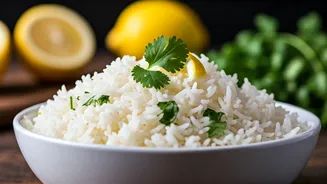
Embrace recipes that require minimal ingredients and time. Look for recipes with straightforward instructions and few steps. One-pan meals are excellent choices for easy cleanup, while sheet-pan dinners offer a straightforward way to roast vegetables and protein simultaneously. Focus on simple techniques like sautéing, grilling, and baking to enhance flavors without overwhelming complexity. Use pre-cut vegetables and pre-cooked proteins such as rotisserie chicken or canned beans to accelerate meal preparation. Explore recipes that utilize pantry staples, like pasta, rice, and canned tomatoes, to minimize your shopping trips. Experiment with different seasonings and herbs to boost the flavor of simple dishes, and always keep a few quick meal ideas in your back pocket for those busy evenings.
Simplifying Grocery Shopping
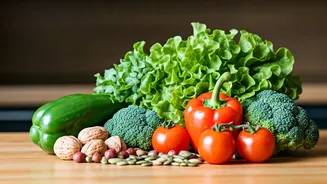
Streamline your grocery shopping by planning your meals and creating a shopping list before you go. Organize your list by the layout of your grocery store, making your shopping more efficient. Choose fresh, seasonal produce, which is often more flavorful and affordable. Stock up on pantry staples like pasta, rice, beans, canned tomatoes, and olive oil to be prepared for impromptu meals. Consider buying frozen vegetables and fruits, which are just as nutritious as fresh ones and last longer. Reading the labels on food products helps make healthier choices and avoid unnecessary additives. Exploring online grocery shopping and delivery services can save time and effort, especially for those with busy schedules. Shopping smart and efficiently ensures you have the ingredients you need without wasting time or money.
Batch Cooking Benefits
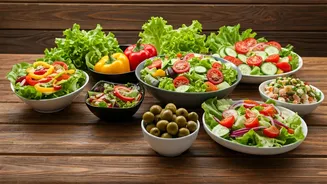
Batch cooking, or preparing large quantities of food in advance, is a superb strategy to save time during the week. Dedicate a few hours on the weekend to cook several meals or components of meals. This allows you to have healthy, home-cooked meals ready whenever you need them. Begin by choosing recipes that hold up well when reheated, such as soups, stews, casseroles, and roasted vegetables. Cook large batches of grains, like rice or quinoa, and proteins, like chicken or lentils, to use in various dishes throughout the week. Divide your cooked food into individual portions and store them in the refrigerator or freezer for easy access. Batch cooking helps you avoid the temptation of unhealthy takeout, reduces food waste, and makes healthy eating more convenient, ultimately giving you more free time.
Smart Kitchen Organization
A well-organized kitchen makes cooking less stressful and more enjoyable. Start by decluttering your countertops and cabinets, getting rid of any unnecessary items. Organize your pantry, placing frequently used items within easy reach. Store similar items together, such as spices, baking supplies, and canned goods. Use clear containers to store dry goods like pasta, rice, and beans, allowing you to see what you have at a glance. Organize your refrigerator by placing ready-to-eat foods at eye level and storing raw meats and poultry on the bottom shelves to prevent cross-contamination. Label containers with the contents and dates for easy tracking. A tidy and organized kitchen makes meal preparation more efficient and helps you find what you need quickly, which makes cooking a breeze.
Embracing Simple Flavors
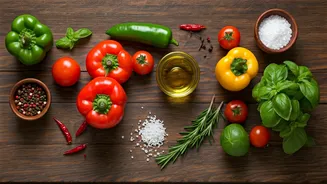
Focus on highlighting the natural flavors of your ingredients. Instead of relying on complex recipes, learn to use fresh herbs, spices, and simple sauces to enhance your meals. Season your food generously with salt and pepper to bring out the natural flavors. Experiment with fresh herbs like basil, parsley, and cilantro to add brightness and freshness. Use simple sauces like olive oil, lemon juice, and balsamic vinegar. Roasting vegetables brings out their natural sweetness, while grilling adds smoky flavors to meats and vegetables. When cooking, aim to let the quality of the ingredients shine through. Embrace simplicity and learn to appreciate the subtle nuances of each ingredient, resulting in delicious, flavor-packed meals.