



The Surprising Culprit
A 34-year-old professional, Rohan, experienced a diagnosis of early-stage fatty liver disease despite maintaining a healthy lifestyle, avoiding sodas,
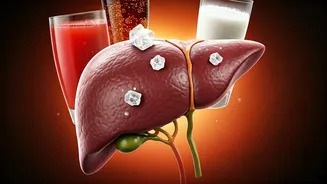
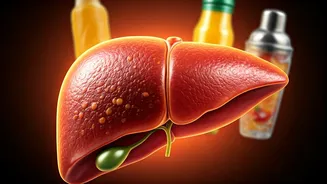
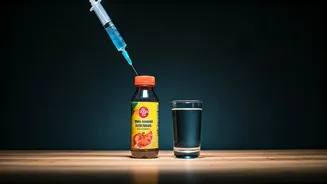
and limiting alcohol. His routine included daily consumption of energy drinks, mocktail mixes, and packaged fruit juices during work breaks, which he perceived as less harmful than traditional colas. This habit, coupled with occasional weekend alcohol, late-night eating, and irregular sleep, placed a significant strain on his liver. The underlying issue, as identified by medical professionals, was the high fructose content in these frequently consumed beverages. While moderate fructose from whole fruits is manageable, the concentrated sugars in liquid form overwhelm the liver's processing capacity, leading to fat accumulation and potentially serious liver conditions like NAFLD and NASH.
Fructose Overload Explained
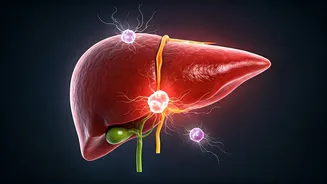
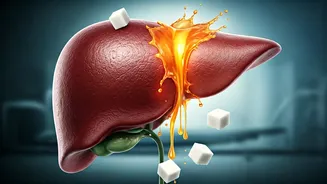
The liver bears the primary responsibility for metabolizing fructose. When fructose is consumed in moderate amounts, typically through whole fruits which also provide beneficial fiber, the liver efficiently processes it. However, beverages laden with concentrated sugars, such as energy drinks and fruit juices, deliver a rapid influx of fructose. This overload prevents the liver from handling it effectively, triggering a metabolic pathway that converts the excess fructose into fat. Unlike solid foods, these liquid calories are absorbed quickly and lack the fiber that would slow down digestion and sugar release. This rapid absorption leads to sharp spikes in blood sugar and insulin levels, further encouraging fat production within liver cells. If this newly formed fat isn't immediately utilized for energy, it begins to accumulate, initiating the process of fatty liver disease.
Behind the Labels
Many of these potentially harmful drinks utilize ingredients like table sugar or high-fructose corn syrup, and fruit juices often contain concentrated fruit juice. A single energy drink can contain as much, or even more, added sugar than a typical soft drink. The stimulating effect of caffeine in energy drinks can mask fatigue, encouraging individuals to consume more than they otherwise would, exacerbating the sugar load. Packaged fruit juices, despite often being marketed with claims of vitamins and antioxidants, have most of their beneficial fiber removed during processing. This leaves a potent source of natural sugars that enter the bloodstream swiftly, equivalent to consuming multiple fruits in a short period and placing an immediate burden on the liver. Even alcohol-free mocktail mixes can pose a risk due to sweetened syrups and added sugars, often consumed in larger quantities during social events without consideration for their sugar content.
The Insidious Cycle
A consistent pattern of consuming sugary beverages can also foster insulin resistance. Repeated surges in blood sugar necessitate frequent insulin releases. Over time, the body's cells can become less responsive to insulin, prompting the pancreas to produce even greater amounts. This hormonal imbalance signals the liver to store more fat, creating a detrimental cycle that escalates the risk of developing fatty liver disease, obesity, metabolic syndrome, and type 2 diabetes. The situation becomes more perilous when these sugary drinks are combined with alcohol. The liver prioritizes breaking down alcohol, which it recognizes as a toxin, causing its capacity to process fats and sugars to diminish. This metabolic slowdown leads to fat accumulation, and the concurrent influx of fructose from sugary drinks further exacerbates fat production, creating a double impact that accelerates the onset and progression of fatty liver disease.
Healthier Beverage Choices
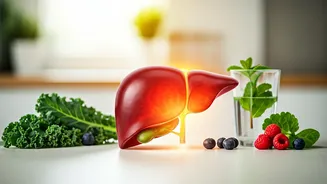
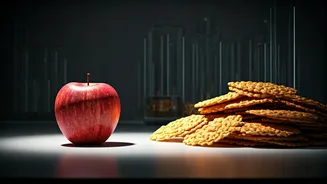
Making conscious decisions about what you drink can significantly mitigate the risk of developing fatty liver disease. Opting for whole fruits instead of their juice provides essential fiber that slows sugar absorption. Infused water, unsweetened coconut water, or plain tea and coffee are excellent alternatives that offer hydration and refreshment without excessive sugar. For a festive feel, consider fresh citrus spritzers made with squeezed lemon, lime, or orange, or sparkling water with crushed mint. These choices provide a satisfying taste experience without the detrimental sugar overload. For individuals like Rohan, implementing these changes led to tangible improvements. Within three months of reducing packaged juices, balancing meals with protein and fiber, and adjusting eating times, he experienced weight loss, increased energy, and reduced digestive discomfort. Follow-up tests confirmed an improvement in his liver health, demonstrating that mindful beverage selection is a powerful tool for liver health and overall well-being.