






Defining Anti-Inflammatory Diets
An anti-inflammatory diet is a nutritional strategy tailored to diminish chronic inflammation within the body. This approach emphasizes foods that combat
inflammation while excluding those that may exacerbate it. Inflammation, in this context, refers to the body's natural response to perceived threats, which can become chronic due to various factors. The diet primarily focuses on incorporating a wide array of nutrient-rich foods, including fruits, vegetables, healthy fats, and lean proteins, and restricting or eliminating processed foods, sugary drinks, and excessive amounts of saturated and trans fats. It's built upon the concept that certain foods possess anti-inflammatory properties, providing significant health benefits beyond weight management. This diet aims to help the body fight off various ailments related to chronic inflammation.
Key Diet Components Explained
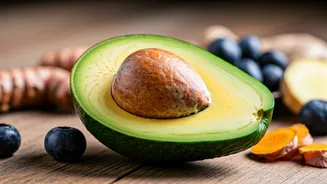
The cornerstone of an anti-inflammatory diet is the abundance of fruits and vegetables, which are rich in antioxidants and vital nutrients. Berries, leafy greens, and cruciferous vegetables like broccoli and cauliflower are particularly beneficial. Healthy fats, such as those found in avocados, olive oil, and fatty fish (like salmon), play a crucial role. These fats contain omega-3 fatty acids that have potent anti-inflammatory effects. Lean protein sources, including fish, poultry, beans, and lentils, are also encouraged. These choices help to build and repair tissues without contributing to inflammation. Conversely, the diet restricts foods known to promote inflammation. This means limiting processed foods, refined carbohydrates, sugary drinks, and excessive intake of red meat and saturated fats. The goal is to provide a comprehensive dietary plan that supports overall well-being and reduces the risk of inflammation-related health issues.
How It Helped Aamir Khan
Aamir Khan's successful weight loss of 18 kgs can be attributed to adhering to this anti-inflammatory diet. It is likely that the diet's focus on nutrient-dense foods, combined with the exclusion of inflammatory triggers, helped accelerate his metabolism and reduce overall body inflammation. The reduction in inflammation is crucial, as it can hinder weight loss efforts. By carefully selecting foods and avoiding others, his body may have become more efficient at burning fat and utilizing nutrients. This nutritional approach is not just about calorie restriction; it is also about optimizing the body's internal environment for weight loss. While the specifics of his exact diet plan remain private, the general principles of an anti-inflammatory diet would have provided him a structured path for his transformation.
Benefits Beyond Weight Loss
The advantages of an anti-inflammatory diet go beyond mere weight loss. This way of eating can have a significant effect on overall health. Chronic inflammation is associated with many chronic diseases, including heart disease, type 2 diabetes, and certain cancers. By following this dietary plan, individuals can potentially lower their risk of these diseases by reducing inflammation throughout their body. Furthermore, many people report improved energy levels, clearer skin, and better digestion. The focus on nutrient-rich foods provides the body with the building blocks it needs to function optimally. This diet provides the body with the right conditions to fight various health issues by helping the body's internal systems to work better.
Potential Diet Challenges
Adopting an anti-inflammatory diet presents some challenges. The necessity to eliminate or limit certain foods, such as processed items and sugar, requires careful planning and discipline. Eating out can be difficult, as many restaurant options may contain inflammatory ingredients. It may be necessary to cook most meals at home to maintain control over ingredients and preparation methods. Furthermore, it is essential to consult a healthcare professional or registered dietitian. They can provide personalized guidance and ensure the diet is appropriate for individual health needs. Moreover, while many foods are encouraged, some people may have food sensitivities or allergies that require careful adjustments to the diet. Therefore, personalized advice can optimize the diet and minimize potential setbacks.