







The Delicate Dance of Breathing
Every moment, a child's lungs engage in an automatic, vital process, facilitating around 20,000 breaths daily. These organs, still under development, are
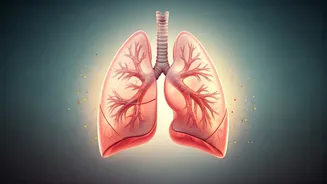
intricately designed to draw in pure air. Within them reside tiny air sacs, known as alveoli, which expand and contract with remarkable grace, much like miniature balloons. Their primary function is to efficiently transfer essential oxygen into the bloodstream. However, when the air inhaled is laden with contaminants, these sensitive alveoli are compelled to exert extra effort. Instead of simply performing their oxygen-absorbing duty, they are constantly forced to contend with unwelcome foreign particles, a scenario akin to a porous sponge absorbing murky, contaminated water rather than clean liquid.
Pollution's Physical Imprint
The continuous exposure of developing lungs to polluted air doesn't just cause temporary discomfort; it can lead to lasting physical changes. The alveoli, which are the primary sites for gas exchange, can become inflamed or damaged by the constant presence of fine particulate matter, gases, and other pollutants. This can impede their ability to expand fully and efficiently. Over time, repeated irritation and inflammation might lead to structural alterations in the lung tissue, potentially reducing lung capacity and elasticity. This makes the lungs less resilient to future respiratory challenges and can lay the groundwork for chronic respiratory conditions later in life. Understanding these changes is paramount for parents and caregivers aiming to protect their children's health.