
The Vatha Kulambu Journey
Vatha Kulambu, a beloved South Indian delicacy, is characterized by its delightful balance of tanginess and spice, achieved through the slow simmering
of tamarind extract, aromatic spices, and dried berries. For Padma Lakshmi, food often serves as a powerful conduit to cherished memories, particularly those from her childhood. In a recent exploration of her heritage, she undertook the challenge of preparing this traditional gravy for the very first time. This culinary endeavor wasn't just about mastering a new recipe; it was a personal voyage, a way to reconnect with her roots and honor the flavors that shaped her upbringing. The process itself, involving careful selection of ingredients and precise techniques, promised to be as rewarding as the final taste, offering a tangible link to her past and the culinary traditions of her family.
Gathering the Flavors
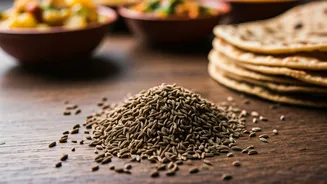
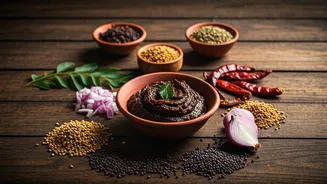
The initial steps for Padma Lakshmi's Vatha Kulambu involved meticulously gathering and preparing the aromatic spice blend. She began by dry-roasting approximately one tablespoon each of urad dal and chana dal. To these, she added a handful of cumin seeds and coriander seeds, crucial for their earthy depth, along with a touch of red chilli powder to impart a gentle heat. The aroma that began to fill the air, as she later remarked, was reminiscent of South India itself, a scent deeply connected to her memories. The addition of a few fresh curry leaves towards the end of the roasting process infused a fragrant, herbaceous note. Once adequately toasted and fragrant, this carefully assembled mixture was then ground into a fine powder, forming the flavorful soul of the Vatha Kulambu.
Building the Gravy Base
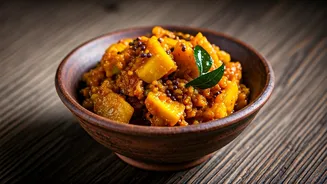
With the spice mix prepared, Padma Lakshmi moved on to constructing the vibrant gravy base for her Vatha Kulambu. Her first task was to extract the tangy essence from tamarind. She began by soaking a portion of tamarind in hot water, allowing it to soften. Once the water had cooled to a manageable temperature, she skillfully used her hands to press and squeeze the tamarind, separating its rich pulp from the fibrous material. This concentrated tamarind extract would provide the characteristic sourness of the dish. In a separate pan, she heated some oil and introduced mustard seeds, patiently waiting for them to splutter, releasing their pungent aroma. Into this sizzling oil, she added cubed turnip, stir-frying them until they began to soften. A sprinkle of salt and turmeric was added during this stage to season and lend a golden hue to the turnip pieces. Once the turnip was adequately cooked, she transferred it directly into the prepared tamarind extract, followed by the freshly ground spice mixture.
Finishing Touches and Memories
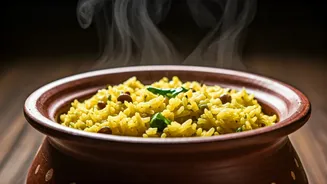
The final stage of creating the Vatha Kulambu involved bringing all the elements together to achieve the perfect consistency and flavor. Padma Lakshmi simmered the entire mixture, allowing it to thicken as the turnips cooked through completely. It was at this crucial point that she recalled a vital instruction from her mother: the addition of hing, or asafoetida, which contributes a unique umami depth. After incorporating the hing, she meticulously adjusted the salt to her personal taste, ensuring a harmonious balance of flavors. A final flourish of fresh curry leaves was added, infusing the dish with their distinctive aroma and a hint of freshness. Lakshmi shared that this dish is traditionally savored mixed with steamed rice and a drizzle of ghee or sesame oil, often accompanied by sautéed vegetables. She also highlighted its delightful pairing with curd rice, where the coolness of the yogurt beautifully contrasts the spicy, tangy nature of the kulambu. The memory of Vatha Kulambu and sautéed tindoora always waiting for her upon arrival at her grandmother's house from the airport evoked a profound sense of comfort and homecoming.