




Menu Mastery Begins
Before you even step into the restaurant, a little preparation goes a long way. Start by checking the menu online. Many restaurants have their menus available
digitally, allowing you to browse options and plan your meal in advance. Look for healthier choices. Identify dishes that are naturally lower in calories, fat, and sodium. Some restaurants will even highlight healthy options with designated symbols or labels. Familiarizing yourself with the menu beforehand reduces the chance of impulsive decisions when you are hungry.
Protein & Fiber Power
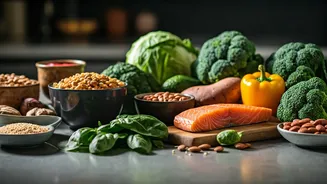
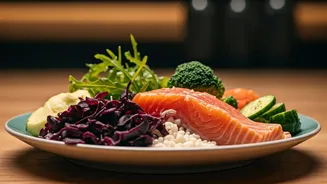
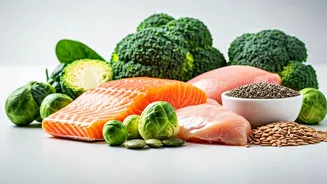
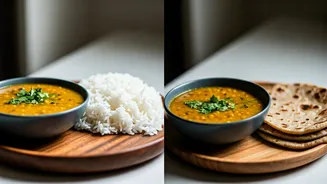
Focus your attention on meals that combine protein and fiber. Protein helps you feel full and satisfied, which may prevent overeating. Fiber aids in digestion and provides sustained energy. Look for dishes containing lean proteins like grilled chicken or fish, and pair them with fiber-rich sides such as vegetables, whole grains, or beans. For example, a grilled chicken salad with a variety of vegetables is a winning combination. Similarly, consider a lentil soup, or a bean-based burrito bowl. These types of options offer an appealing mixture of nutrients.
Mindful Meal Preparation
How your food is prepared makes a big difference in its nutritional value. Opt for preparation methods that are healthier than others. Choose grilled, baked, steamed, or broiled options over fried ones. For example, order your fish grilled instead of fried. Be aware of hidden fats and calories. Request sauces, dressings, and toppings on the side. This gives you greater control over the amount you consume. Also, ask about portion sizes. Sometimes, a dish can be split to provide a more manageable amount of food.
Smart Carb Choices
Don't fear carbs, but choose them wisely. They are an essential source of energy, and some are better than others. Prioritize complex carbohydrates that are high in fiber, such as whole grains, brown rice, and quinoa. Avoid excessive intake of refined carbohydrates like white bread and pasta. When choosing a side dish, consider options like a side of whole-wheat pasta with vegetables instead of mashed potatoes. Also, be mindful of portion sizes. Even healthy carbs can contribute to excess calories if consumed in large amounts.
Add-Ons: Strategic Choices
Think carefully about add-ons and how they fit into your health goals. Consider whether add-ons align with your meal plan. Sauces, dressings, and toppings can quickly add extra calories, fat, and sodium. Be mindful of portion sizes with these add-ons. Request sauces and dressings on the side, and use a small amount to control your intake. When considering additions to your meal, opt for nutritious choices like a side of steamed vegetables, a small salad, or a serving of fruit. Also, be wary of creamy sauces and high-fat toppings, and choose healthier alternatives.
Portion Size Awareness
Paying attention to portion sizes is crucial when dining out. Restaurants often serve larger portions than you might eat at home. Practice portion control strategies. Consider sharing a dish with a friend. Order an appetizer as your main course. Ask for a to-go container at the beginning of the meal and put half of your meal aside before you start eating. Doing so, you will ensure that you don't overeat. Pay attention to your hunger cues. Stop eating when you feel full, even if there is still food left on your plate.
Track Your Intake
Keeping track of what you eat can increase your awareness of your choices. Use a food journal or a mobile app to record your meals and snacks. This helps you monitor your calorie intake, macronutrient ratios, and overall nutritional balance. By tracking your meals, you gain insight into your eating habits and identify areas for improvement. You may note a pattern in your choices, such as consistently overeating carbs or not eating enough vegetables. Tracking your meals can give you important data so you may start to make better decisions in the future.