




Decentralized Dining Operations
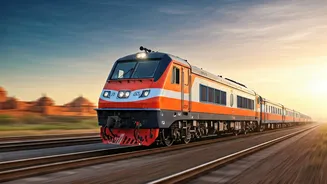
During the 1990s, the culinary landscape of Indian Railways was remarkably diverse due to its decentralized management. Unlike today's unified approach,
each railway zone operated its catering services independently. This meant that the menu, quality, and preparation methods could vary significantly from one region to another. The actual cooking often took place on board in pantry cars, while major railway stations had their own refreshment rooms contributing to the spread. For busier routes, private contractors were also brought in to supplement the services. This patchwork system, though lacking a central command, ensured that food was available, albeit with regional variations, making each journey a unique gastronomic experience tied to the specific zone's culinary traditions and operational capabilities.
Classic Meal Presentation
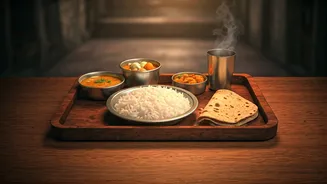
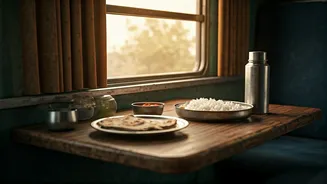
The dining experience on Indian Railways in the 1990s was characterized by its practicality and durability. Meals were typically served on robust steel trays or sturdy melamine plates, designed to withstand the rigors of train travel without breaking. Similarly, tea, a staple beverage, was presented in thick glass tumblers that retained heat for extended periods, offering a warm comfort during long journeys. The aroma of freshly prepared food emanating from the pantry car was an integral part of the train journey ambiance, often signaling the imminent arrival of a meal. This focus on durable materials and simple, comforting presentations underscored the era's emphasis on functionality and a satisfying, no-frills dining experience that was deeply intertwined with the rhythm of the train.
Vegetarian Thalis Reign Supreme
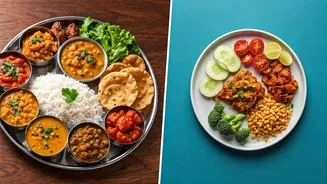
The quintessential Indian Railways meal of the 1990s was the vegetarian thali, a wholesome and filling option designed for easy preparation and transport. Typically, it comprised a serving of steamed rice or freshly made chapatis, accompanied by a comforting bowl of plain yellow dal. A simple vegetable dish, often featuring seasonal produce like aloo gobi or beans, was a standard inclusion. A small portion of pickle added a tangy zest to the meal. These components were carefully chosen for their ability to travel well and their suitability for reheating in the moving pantry cars. For travelers on extended journeys, rice-based dishes such as vegetable pulao or khichdi were also popular choices, offering quick preparation, substantial nourishment, and a familiar, comforting taste that resonated with passengers across the country.
Regional Breakfast Delights
A particularly charming aspect of train dining in the 1990s was the regional diversity of breakfast offerings. Depending on the train's route, passengers could anticipate a unique start to their day. Travelers on northern routes might have been treated to hearty aloo parathas served with a side of cooling curd. Heading south, mornings typically featured South Indian staples like steaming idli, savory upma, or comforting pongal. Regardless of the specific zone, bread and butter were almost universally available, providing a familiar option for those preferring a simpler start. This localized approach to breakfast added an exciting element of discovery to train journeys, allowing passengers to sample regional culinary specialties even while in transit.
The Thrill of Station Snacks
The excitement of purchasing snacks from station vendors was an unforgettable ritual for anyone who traveled by Indian Railways in the 1990s. At smaller stations, vendors would move through the coaches, their calls echoing with offerings of crispy samosas, flaky kachoris, savory cutlets, and simple sandwiches. Larger junction stations provided a brief window of opportunity for passengers to lean out of the train windows and procure hot, freshly prepared snacks like pakoras or vadas, often wrapped in simple paper. This spontaneous and often messy process of acquiring these treats added an element of adventure and sensory delight to the journey, serving as a delicious and memorable interlude between meals served on board.
Non-Vegetarian Options
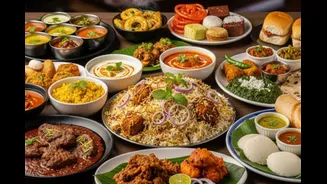
While vegetarian dishes dominated the menu, non-vegetarian fare was also available, though with less variety than today. Omelettes were a common breakfast item for those who preferred them. For longer journeys, egg curry served alongside rice or rotis might be found on the menu. If pantry car facilities allowed, a simple chicken curry could sometimes be offered. Certain routes, particularly those with better-equipped kitchen facilities, might even feature chicken biryani. Mutton dishes, however, were less frequently served directly on the train, with passengers often finding them more readily available at station canteens rather than within the pantry car's limited space and supplies.
Simple Sweet Endings
The dessert selection on Indian Railways in the 1990s was characterized by its simplicity and comforting sweetness. Popular choices included soan papdi, a flaky and sweet confection, and gulab jamun, typically served from convenient syrup tins. Besan laddoos, small spherical sweets made from gram flour, were also a common sight. Many passengers supplemented these with biscuits they brought from home or purchased to share amongst fellow travelers. Fruit vendors also made their rounds at major stops, offering seasonal fruits like bananas and oranges, providing a refreshing and natural end to a train meal.
Hydration Solutions
In the 1990s, the concept of readily available bottled water on Indian Railways was still nascent. Branded bottled water was primarily an option at major railway stations, rather than a ubiquitous offering on all trains. The common practice for many passengers was to carry their own reusable flasks or refill their water bottles at the platform taps. The idea of a standardized, nationwide railway water brand was a development that would emerge in the years to come. This reliance on personal provisions and platform facilities highlighted a different era of travel, where self-sufficiency played a more significant role in meeting basic needs like staying hydrated.