





Cooked Food Protocol
For cooked dishes, patience is key before refrigeration. Allow meals to cool to room temperature for at least 30 to 45 minutes before sealing them in airtight
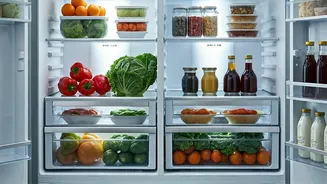
containers. Glass or stainless steel are preferred materials. Position these containers on the middle shelf, where temperature fluctuations are least pronounced. This stable environment helps maintain food quality and prevents the cooling process from affecting other items. Adhering to this method preserves both taste and nutritional value. It's also advisable to consume refrigerated cooked food within two to three days. A practical approach is to reheat only the portion you intend to eat immediately, as repeated reheating can diminish flavor and degrade nutrients.
Vegetable Drawer Secrets
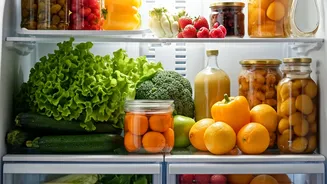
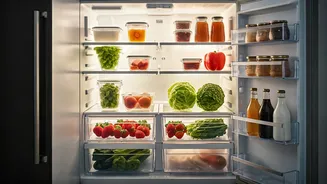
Raw vegetables thrive when kept dry. If you opt to wash them before storage, ensure they are thoroughly dried to prevent premature spoilage. The designated vegetable drawer is specifically designed to manage humidity levels, making it the ideal spot for these items. To facilitate air circulation, consider using cloth bags or containers with perforations. It's crucial to separate ethylene-producing fruits, such as apples and tomatoes, from moisture-sensitive vegetables like leafy greens. This separation prevents the faster ripening and potential spoilage of the latter due to ethylene gas exposure.
Leafy Greens' Haven
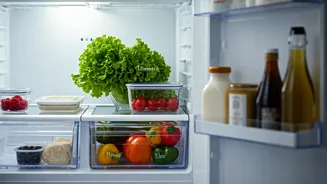
Leafy greens require a bit more attention to maintain their crispness and nutritional integrity. A highly effective method involves wrapping them loosely in a slightly damp cloth. Subsequently, place the wrapped greens in a container that has been lined with a dry paper towel. This simple preparation helps them retain moisture without becoming waterlogged, significantly extending their freshness for several days. For optimal nutrient retention, it is recommended to consume these greens within four days of storage.
Mindful Seasonal Storing
Embracing seasonal eating extends beyond the grocery aisle into how food is stored. Aligning ingredient choices with the current _ritu_ (season) in Ayurveda not only enhances flavor and digestibility but also contributes to longevity when stored correctly. This mindful approach recognizes food not just as sustenance but as a vital component of well-being. By respecting the natural cycles and properties of ingredients, from their entry into the kitchen to their final storage, we can profoundly impact their freshness, nutritional value, and reduce overall food wastage, honoring the nourishment they provide.