


The Science of Nutrition
The concept of a 'fertility diet' has gained significant traction, with many believing specific foods and supplements can dramatically increase pregnancy
chances. While diet alone cannot cure infertility, nutrition undeniably plays a crucial role in reproductive well-being for both partners. Overall health, influenced by nutrient intake, directly impacts reproductive hormones, ovulation cycles, sperm and egg quality, and the crucial process of implantation. Deficiencies, excess weight, or poor metabolic health can all disrupt these delicate functions. Research consistently shows that women who maintain a balanced diet and a healthy body weight tend to experience more regular ovulation. Similarly, men with optimal nutritional status often exhibit superior sperm count and motility. It's important to understand that no single food or miracle supplement can guarantee conception; rather, it's the holistic approach to nutrition that makes a difference.
Evidence-Based Dietary Patterns
Extensive research, including long-term studies like the Harvard Nurses’ Health Study, has identified specific eating patterns associated with improved fertility outcomes. These diets typically align with the principles of the Mediterranean diet, emphasizing whole, nutrient-rich foods designed to combat inflammation, stabilize blood sugar levels, and enhance the quality of both eggs and sperm. These are not fleeting dietary fads but rather sustainable, balanced approaches that are fundamentally aligned with general health recommendations provided by medical professionals. They focus on nourishment rather than restriction, providing the body with the essential building blocks for optimal reproductive function. Adopting these dietary patterns is a long-term strategy for enhancing fertility.
Building Your Fertility Plate
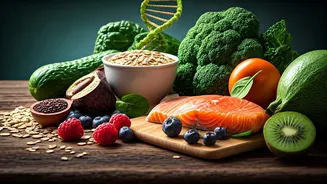
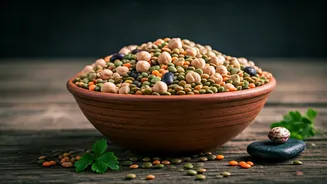
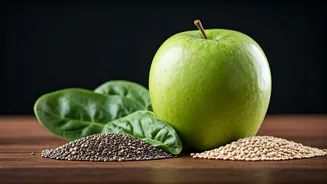
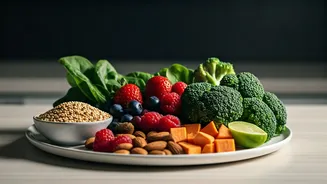
Prioritizing healthy fats over their unhealthy counterparts, such as trans fats found in processed snacks and fried foods, is essential for hormone balance and can mitigate ovulatory issues. Replacing them with sources like nuts, seeds, avocados, and fatty fish supports overall reproductive health. Opting for quality carbohydrates is also key; refined grains and sugary items can cause blood sugar spikes that disrupt ovulation, especially for women with PCOS. Whole grains, millets, and legumes provide a steadier energy release. Adequate protein intake from diverse sources, including plant-based options like lentils, chickpeas, rajma, soy, and paneer, is linked to better ovulatory health compared to excessive red meat consumption. Eggs and fish are also excellent protein choices. Essential micronutrients like folate, iron, vitamin B12, vitamin D, zinc, iodine, and omega-3 fatty acids are critical for egg and sperm health, as well as early fetal development. It’s worth noting that dairy, in its full-fat form and consumed in moderation, may offer more ovulation support than low-fat versions, though individual needs can vary.
Debunking Fertility Myths
The digital landscape is rife with popular fertility diet trends that lack robust scientific backing. For instance, seed cycling, a practice involving specific seed consumption for hormonal balance, has not demonstrated proven effects. Similarly, the notion that expensive 'fertility superfoods' are inherently superior to a well-balanced home-cooked meal is largely unsubstantiated. Detox diets and juice cleanses, often promoted for cleansing the body, can actually strip it of vital nutrients needed for conception. Furthermore, indiscriminate use of supplements without professional guidance can lead to harmful imbalances. Couples striving to conceive should instead focus on building a consistently nutritious dietary foundation rather than chasing unproven fads.
Practical Steps for Conception
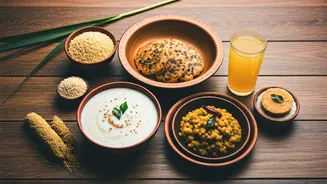
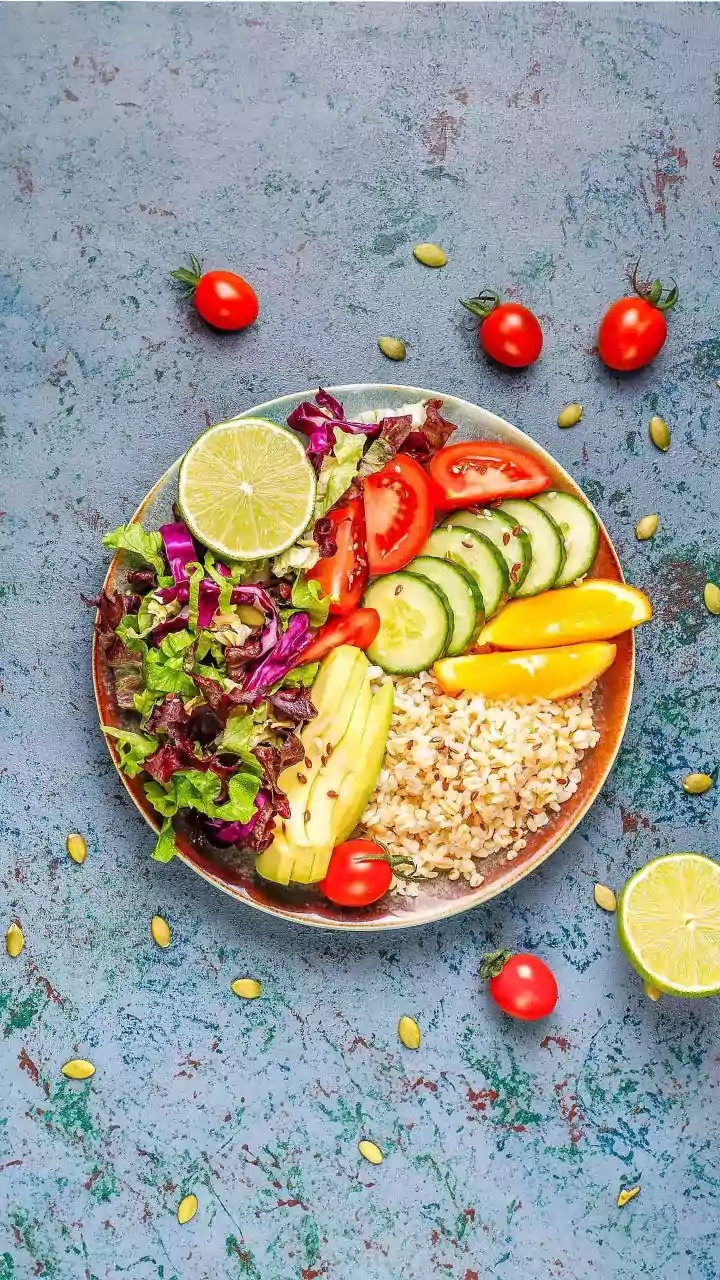
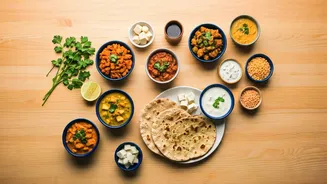
Instead of succumbing to trendy diets, the most effective approach is to consistently assemble a nutritionally complete plate each day. A practical fertility-supportive meal structure should ideally include a portion of whole grains or millets, a bowl of dal or another lean protein source, a serving of green leafy vegetables, a seasonal fruit, and a small handful of nuts and seeds. Ensuring adequate water intake throughout the day is also paramount. Limiting sugar, fried foods, and processed snacks further supports a healthy environment for conception. For women planning pregnancy, initiating folic acid supplementation at least three months prior to conception is highly recommended. Checking vitamin D and B12 levels is also advisable, particularly for vegetarians. Men also play a critical role, as approximately 40% of infertility cases involve male factors; smoking, alcohol consumption, obesity, and a poor diet can significantly impair sperm quality.
Weight Management and Fertility
Both underweight and overweight conditions can pose challenges to conception. Even a modest weight correction of 5–7% in overweight women, particularly those with PCOS, can often lead to the restoration of regular ovulation. However, engaging in crash dieting can be detrimental to fertility by placing undue stress on the body. Ultimately, a fertility diet isn't a magic bullet, but rather a foundational element in creating an optimal environment for conception. Think of it as preparing fertile ground for a seed. The pursuit of perfection isn't the goal; consistent, healthy habits are.