





The Power of Playful Puzzles
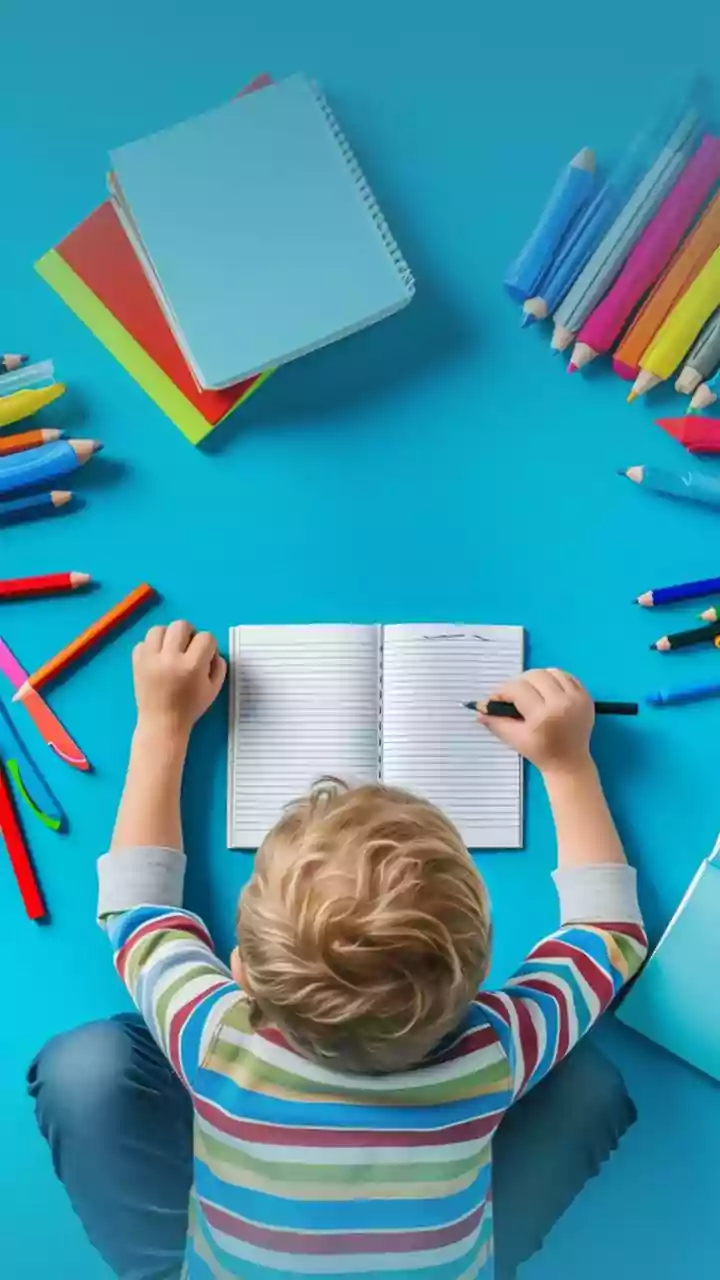
In the journey of childhood development, the ability to approach challenges thoughtfully is paramount. Simple word games and puzzles are not just for amusement;
they are powerful tools that gradually mold how youngsters tackle their studies, engage in conversations, and make everyday choices. Introducing such activities can transform routine moments into opportunities for cognitive growth. For instance, a quick brain teaser can be a fantastic way to stimulate a child's imagination and problem-solving faculties. It encourages them to look at a situation from different angles and to consider possibilities they might not have initially imagined. This process is crucial for building resilience and adaptability, qualities that serve children well throughout their lives. By engaging with these mental exercises, kids develop a foundation for critical thinking that extends far beyond the puzzle itself, impacting their academic success and personal interactions.
Family Fun, Big Lessons
Transforming a simple brain teaser into a shared family experience can significantly amplify its impact. Imagine posing the riddle during a car journey or around the dinner table, creating an atmosphere of relaxed curiosity. Providing ample thinking time and encouraging free guessing, without immediate correction, fosters a safe space for exploration. When the answer is eventually revealed, it becomes a delightful, shared moment, often punctuated by laughter and a sense of collective discovery. These brief, joyful interactions serve to strengthen familial bonds. More importantly, they powerfully demonstrate that learning is not confined to textbooks or screens; it can be integrated seamlessly into everyday life. This playful approach to problem-solving makes abstract concepts tangible and memorable, showing children that intellect can be both fun and rewarding, instilling a lifelong appreciation for curiosity and inquiry.
The "Teapot" Revelation
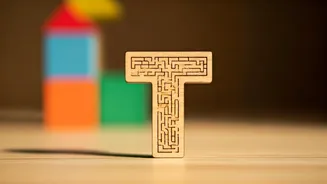
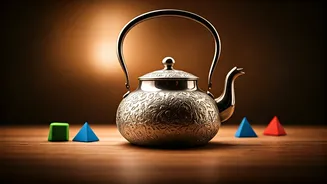
The intriguing answer to the riddle – "teapot" – often elicits surprised smiles, and for good reason. The puzzle plays on a clever duality: it begins with the letter 'T', concludes with the letter 'T', and crucially, contains the word "tea" within its structure. The real genius of the question lies not just in its literal interpretation, but in its subtle framing that encourages a deeper look. This unexpected twist is where the magic of learning truly happens. A moment of surprise acts as a powerful mnemonic device, helping the lesson or the answer to be retained more effectively by the young mind. It's a testament to how a well-crafted question can bypass superficial understanding and engage a child's critical thinking, making the learning process both memorable and deeply impactful. The joy derived from solving such a puzzle solidifies the experience.
Beyond Speed, Embracing Curiosity
This seemingly small puzzle carries a profound underlying message for developing minds: not all problems demand a swift solution. Some situations call for patience, others for a spirit of curiosity, and many benefit from a second, more careful examination. Children who internalize this lesson early on are more likely to grow into individuals who naturally question, explore, and seek a thorough understanding of the world around them. This fosters a mindset of continuous learning and intellectual humility. The ability to pause, reflect, and re-evaluate is a cornerstone of effective problem-solving and critical thinking. It steers them away from hasty conclusions and towards a more nuanced and insightful approach to challenges, all initiated by the simple contemplation of a word like "teapot."