





The Science of Malai
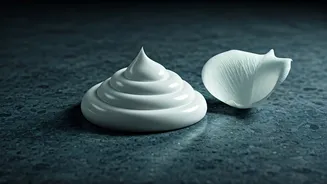
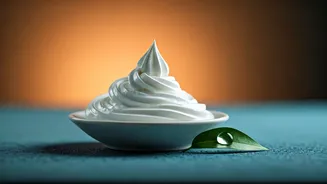
The effectiveness of malai, or fresh milk cream, in skincare lies in its rich composition, particularly its lactic acid content. Lactic acid is a well-regarded
Alpha Hydroxy Acid (AHA) known for its ability to gently exfoliate the skin. It works by weakening the bonds that hold dead skin cells together, thereby promoting cellular turnover and revealing fresher skin underneath. Beyond exfoliation, the high fat content in malai plays a crucial role in skin repair. These natural lipids help to reinforce the skin's protective barrier, which is vital for maintaining hydration and preventing moisture loss. This dual action—exfoliation and barrier repair—offers a gentler alternative to harsh physical scrubs, delivering hydration and aiding in the removal of sun-damaged skin without causing irritation or micro-tears.
Malai and Turmeric Brightener
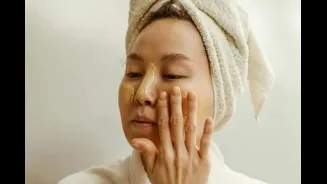
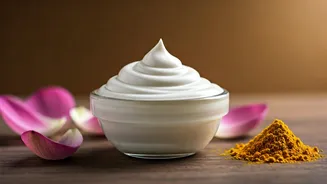
For an immediate boost to skin radiance, especially before an event, the combination of malai and turmeric is exceptionally effective. Turmeric's star compound, curcumin, possesses powerful anti-inflammatory and antioxidant properties that can help regulate melanin production, a key factor in skin tanning. To prepare this potent mask, mix a tablespoon of fresh malai with a small pinch of wild turmeric, preferably Kasturi turmeric, to avoid any temporary yellowing of the skin. Apply an even layer of this mixture onto tanned areas and let it sit for 15 to 20 minutes. Afterward, rinse thoroughly with lukewarm water. This remedy is designed to brighten and revitalize dull, tanned skin, leaving it looking more vibrant and even-toned.
Malai for Oily Skin
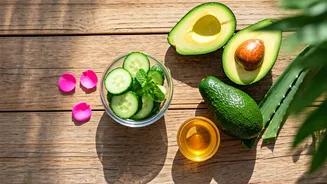
For individuals with oily skin who might be hesitant about applying pure cream, a modified malai treatment offers a balanced approach. This blend incorporates besan (gram flour) and rose water to manage excess oil while still leveraging the benefits of malai. Combine a tablespoon of malai with a spoonful of besan, adding just enough rose water to create a smooth, spreadable paste. The besan not only acts as a mild physical exfoliant, helping to slough off dead skin cells during application, but also absorbs excess sebum from the cream, preventing it from feeling too heavy. Apply this paste to the face and allow it to semi-dry for about 15 minutes. Before rinsing, gently massage your skin in circular motions to enhance the physical exfoliation process and remove loosened impurities.
Malai and Lemon Tan Remover
To address stubborn and deep-set tans, a more potent combination involving malai and lemon juice can be highly effective, creating a natural bleaching effect without compromising skin health. Lemon juice is rich in Vitamin C and citric acid, known for their natural brightening properties. However, applying lemon juice directly can be too harsh for the skin. Malai serves as an essential buffer, diluting the acidity of the lemon and allowing its beneficial compounds to work safely. Mix one tablespoon of malai with half a teaspoon of fresh lemon juice. Apply this potent mixture only to the tanned areas and leave it on for a maximum of 10 to 15 minutes. Rinse off with cool water. This blend targets dark patches by gently lifting them while the malai ensures the skin remains hydrated and protected.
Essential Care Guidelines
Incorporating malai into your skincare routine requires mindful application to ensure optimal results and avoid adverse effects. It is recommended to use these malai-based treatments two to three times a week at most, as over-exfoliation, even with gentle ingredients like lactic acid, can lead to skin sensitivity. Always rinse the masks off with cool or lukewarm water; hot water can strip away the beneficial fats that the malai has deposited onto your skin. Crucially, diligent sunscreen use is non-negotiable. After using these treatments, your skin will be more receptive to UV damage due to the removal of dead skin cells and increased sensitivity. Failing to apply SPF protection can quickly reverse any progress made and lead to more pronounced tanning.