






The Gentle Approach
For a long time, the definition of fitness was intrinsically linked to strenuous activities – think pounding treadmills, high-intensity intervals, and
pushing personal limits to the point of exhaustion. However, a more serene and deliberate method of enhancing one's physical and mental state is steadily gaining traction: structured breathwork. Pulmonologists are increasingly noting that this shift isn't merely a fleeting wellness trend. As Dr. Neetu Jain, Senior Consultant in Pulmonology at PSRI Hospital, Delhi, observes, many individuals believe that achieving fitness necessitates vigorous workouts and breathless exertion. Yet, she emphasizes that the lungs might actually benefit more from slow, deliberate breathing patterns than from intense physical strain. This perspective challenges the conventional notion that fitness must always be synonymous with sweat and physical struggle, opening the door to a more accessible and less intimidating path to improved health.
Unlocking Lung Efficiency
Breathing holds a unique position among our physiological functions; it operates autonomously, yet we also possess the remarkable ability to control it consciously. This dual capacity grants breathwork significant influence over crucial bodily metrics like heart rate, blood pressure, and the release of stress hormones. Dr. Jain elaborates that engaging in deep, slow diaphragmatic breathing actively draws air into the deeper regions of the lungs, precisely where the exchange of oxygen and carbon dioxide is most efficient. This process enhances respiratory efficiency without imposing undue stress on the body's joints or cardiovascular system. Such benefits are particularly valuable for individuals new to exercise, older adults, those managing asthma, or anyone experiencing lingering weakness post-COVID-19. Unlike high-impact workouts that can lead to fatigue, calm breathwork provides substantial physiological advantages without the accompanying exhaustion, making it an accessible option for a wide range of people.
A Nervous System Reset
Beyond mere relaxation, breathwork serves as a powerful tool for regulating the body's physiological responses. Dr. Ajinkya Gulve, a Pulmonologist at Inamdar Multispeciality Hospital, Pune, clarifies that breathwork isn't simply a less intense alternative to conventional fitness; it's a practical method for training the nervous system, with tangible benefits for the lungs occurring almost immediately. In our modern world, characterized by prolonged screen time, demanding schedules, inadequate sleep, and constant sensory stimulation, many people adopt shallow breathing patterns that primarily engage the upper chest. This habitual shallow breathing can inadvertently keep the body in a perpetual low-grade stress state. Dr. Gulve explains that adopting a slower breathing rhythm, coupled with longer exhales, effectively guides the body from its 'alert mode' to a more restorative 'recovery mode.' This shift can significantly alleviate anxiety-related breathlessness and enhance overall breath control in daily activities, fostering a sense of calm and improved resilience.
Accessible and Adaptable
A significant part of the appeal of this 'no-sweat calm' trend lies in its remarkable accessibility. Breathwork requires no specialized equipment, no gym membership, and no particular setting – it can be effectively practiced anywhere, whether you're at your desk, commuting, or winding down before sleep. Dr. Jain further highlights that cultivating an awareness of one's breath also contributes to improved posture and encourages nasal breathing. These aspects are particularly crucial in heavily polluted urban environments, where protecting the airways from environmental irritants becomes a vital concern. The ability to integrate this practice seamlessly into daily life without demanding significant time or resources makes it an attractive option for busy individuals seeking to enhance their well-being.
Complement, Not Replace
Despite its profound benefits, both Dr. Jain and Dr. Gulve strongly advise against viewing breathwork as a complete substitute for physical activity. Dr. Jain emphasizes that while the lungs thrive on a rhythmic, calm breath, the body fundamentally still requires movement. Dr. Gulve reinforces this balanced perspective, stating that breathwork should act as a supportive practice for physical movement, not a replacement. He elaborates that the heart and lungs depend on regular physical activity to build stamina, optimize oxygen utilization, and sustain long-term metabolic health. In essence, while calm breathing enhances the body's efficiency and regulatory systems, aerobic conditioning is essential for building physical capacity and resilience. Therefore, a holistic approach that integrates both is key to comprehensive health and fitness.
A Safe Starting Point
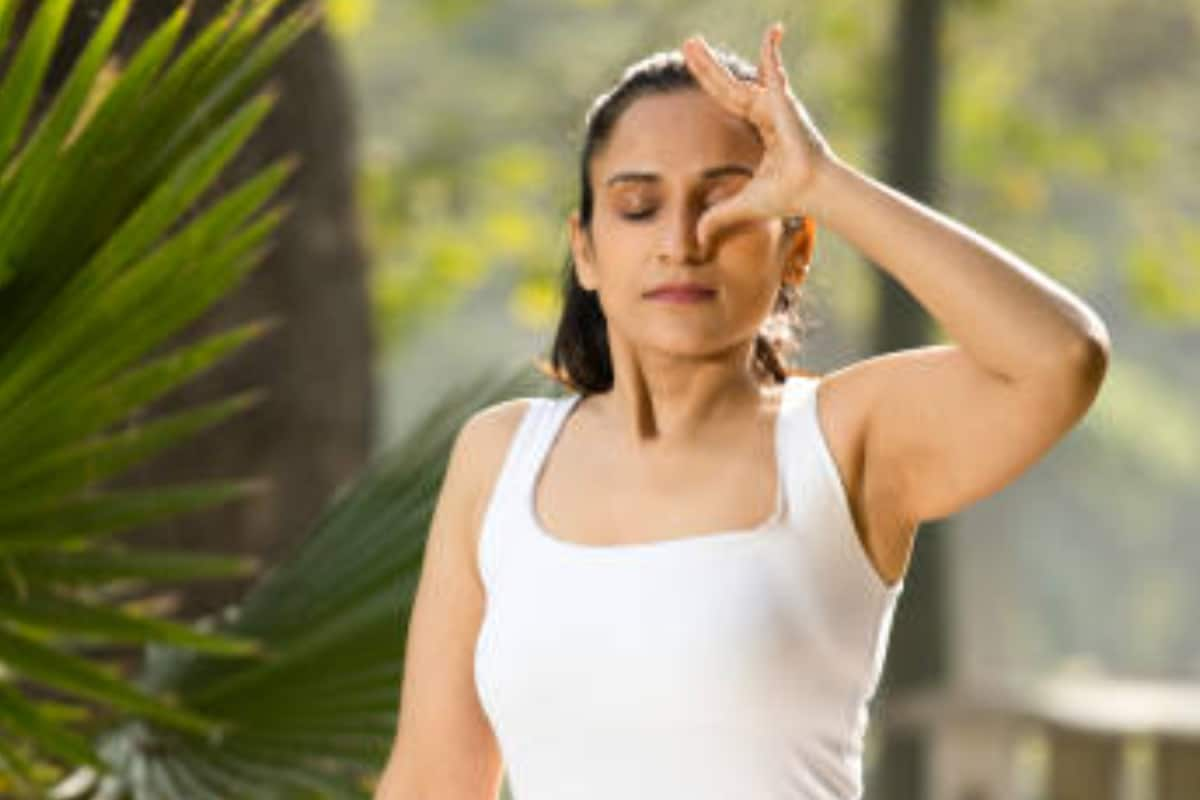
For the majority of healthy adults, establishing a basic breathwork routine is both straightforward and safe. Dr. Gulve suggests practicing for approximately five minutes, twice daily. The recommended technique involves sitting upright with relaxed shoulders, inhaling gently through the nose for a count of four, and exhaling for a count of six. This cycle should be repeated for 20 to 30 breaths. Individuals experiencing chest tightness or wheezing should maintain a gentle breathing pattern, prioritizing slow and soft exhalations. It is crucial to cease the practice immediately if any dizziness, tingling sensations, chest discomfort, or panic arises, as these could indicate over-breathing. Breathwork offers significant advantages for those struggling with stress-related breathlessness, sedentary lifestyles, habitual mouth breathing, snoring, or recovering from respiratory infections. However, it's important to recognize its limitations; it cannot reverse the damage caused by smoking, vaping, or prolonged exposure to poor air quality. Furthermore, individuals with uncontrolled asthma, severe COPD, serious heart conditions, pregnancy complications, or those who have recently undergone chest surgery should engage in breathwork only under strict medical supervision.