





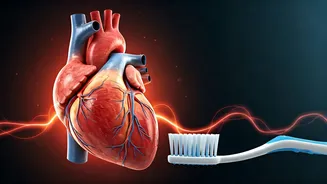


Digital Life's Impact
The relentless connectivity of modern digital life presents a significant challenge to cardiovascular health. The constant stream of information, the pressure
to be available, and the blurring of work-life boundaries contribute to chronic stress. This stress, in turn, can elevate blood pressure and strain the heart. Furthermore, sedentary behaviors often associated with prolonged screen time, such as sitting for extended periods and a lack of physical activity, can increase the risk of obesity, high cholesterol, and other factors that are detrimental to heart health. Sleep deprivation, a common consequence of late-night digital engagement, further compounds the problem, impacting the body's ability to regulate its cardiovascular functions effectively.
Stress Management Essential
Effectively managing stress is paramount in protecting heart health within a digitally driven world. Employing techniques to mitigate stress levels becomes vital. Methods such as mindfulness exercises, meditation, and deep breathing can help regulate the body's stress response. Regular physical activity has been proven to alleviate stress and reduce cardiovascular risk factors. It is essential to set boundaries with digital devices, establishing periods of disconnection to allow the mind and body to rest and recover. Incorporating relaxing hobbies, such as listening to music or spending time in nature, can provide further respite from the pressures of modern life, fostering overall well-being and heart health.
Prioritize Physical Activity
Integrating regular physical activity into daily routines is non-negotiable for preserving heart health, especially in an era marked by sedentary lifestyles. Aim for at least 150 minutes of moderate-intensity aerobic exercise or 75 minutes of vigorous-intensity exercise each week. This can be broken down into manageable sessions throughout the day. Activities like brisk walking, jogging, swimming, or cycling are highly beneficial. Beyond aerobic exercise, incorporating strength training exercises at least twice a week helps to improve overall cardiovascular health. It's important to find activities one enjoys to ensure consistency. Consider incorporating physical activity breaks during the workday to offset the negative impact of prolonged sitting.
Healthy Diet Choices
Nourishing your body with a heart-healthy diet forms the cornerstone of cardiovascular well-being. A diet rich in fruits, vegetables, whole grains, and lean proteins is ideal. Limit the intake of saturated and trans fats, which are found in processed foods and excessive amounts of red meat, because they elevate cholesterol levels. Reduce the consumption of sodium, as it contributes to elevated blood pressure. Prioritize foods rich in omega-3 fatty acids, such as fatty fish, for their beneficial effects on heart health. Be mindful of portion sizes and avoid excessive consumption of sugary drinks and processed foods, which can contribute to weight gain and increase the risk of heart disease.
Optimize Sleep Schedule
Prioritizing sleep is crucial for heart health, as inadequate sleep can wreak havoc on cardiovascular function. Aim for 7-9 hours of quality sleep each night. Establish a consistent sleep schedule, going to bed and waking up at the same time each day, even on weekends. Create a relaxing bedtime routine to prepare the body for sleep, such as taking a warm bath or reading a book. Ensure the bedroom is dark, quiet, and cool. Limit screen time before bed, as the blue light emitted from electronic devices can disrupt the natural sleep cycle. Chronic sleep deprivation can increase blood pressure, inflammation, and other factors that increase the risk of heart disease.
Regular Health Checkups
Regular health checkups are an essential component of preventive heart care. Schedule routine visits with a healthcare provider to monitor blood pressure, cholesterol levels, and other vital health markers. Discuss any concerns about heart health or family history of heart disease with your doctor. Early detection of risk factors allows for timely interventions, such as lifestyle modifications or medication, to prevent the progression of heart disease. Follow your doctor's recommendations for screenings and vaccinations. Staying proactive with your health and having regular checkups enables early detection and management of potential issues.