





The Lunar Blueprint Unveiled
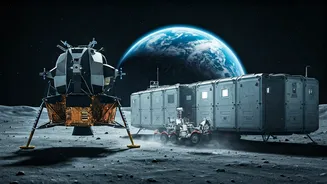
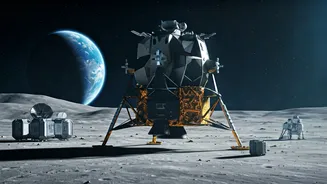
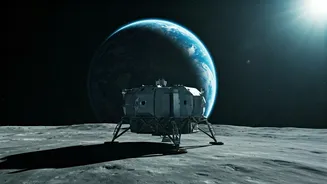
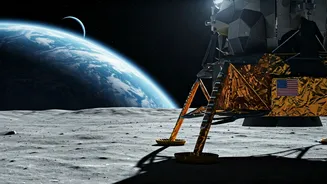
NASA has laid out an extensive strategy, detailed in its 'Moon Base User's Guide,' to foster a persistent human presence on the Moon. This ambitious undertaking
is planned across multiple stages, necessitating an impressive 73 separate landings. The guide, a nine-page document released recently, not only illustrates the grand scale of this endeavor but also candidly addresses the significant technological and financial obstacles that must be overcome. The immediate focus is on a rapid acceleration of lunar activity, beginning with a concentrated series of robotic and uncrewed missions. Specifically, the agency aims for 21 such landings within the next three years to meticulously prepare the lunar surface for subsequent human exploration and settlement. This foundational work is crucial for realizing the overarching objective of a $20 billion moon base and facilitating the first crewed expeditions by 2028, aligning with broader aspirations like developing nuclear propulsion for Martian voyages.
Phased Lunar Construction
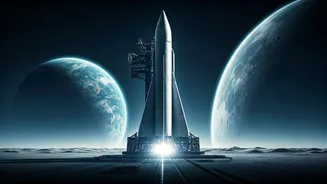
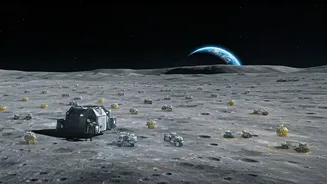
NASA's grand lunar base project is meticulously structured into three distinct phases, each escalating in complexity and scope. Phase 1, projected to span until 2029, involves 25 launches and 21 landings, with the primary goal of establishing reliable access to the Moon and rigorously testing various critical systems. Moving into Phase 2, scheduled from 2029 to 2032, the agency plans for 27 launches and 24 landings, marking the initiation of intermittent crewed missions. The ultimate objective, Phase 3, centers on sustaining a continuous human presence, which will demand an even greater number of launches and landings, alongside the development of advanced cargo-return capabilities to support long-term habitation and operations.
South Pole Site Challenges
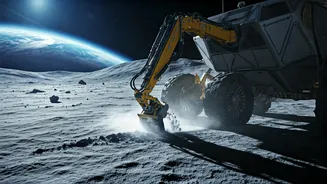
The chosen location for the proposed lunar base, near the Moon's south pole, presents unique environmental hurdles distinct from those encountered during the Apollo era. A primary concern is the perpetual low angle of the Sun, which results in prolonged shadows that can significantly hinder solar power generation. Furthermore, this region experiences extreme temperature fluctuations, with pockets of intense cold and extended periods of darkness. Consequently, NASA must pioneer innovative energy solutions, exploring advanced solar panel designs and potentially harnessing nuclear power sources to ensure a reliable and consistent electricity supply essential for sustaining life and operations.
Bridging Technology Gaps
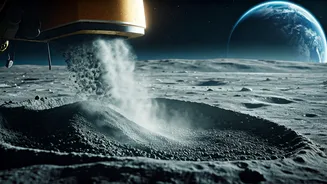
The realization of a permanent lunar settlement hinges on overcoming several critical technological deficiencies highlighted in the user's guide. Sophisticated systems for precise lunar landings, robust hazard detection, and effective damage avoidance are still in nascent stages of development. Equally important are the unresolved questions surrounding long-term human survival in the lunar environment. The pervasive lunar dust, the effects of reduced gravity, and constant exposure to cosmic radiation pose considerable risks to astronauts. Therefore, the development of advanced life support systems, sustainable food production methods, and comprehensive physical conditioning programs are paramount considerations for ensuring the health and safety of future lunar inhabitants.
The Global Space Race
Several external factors are intensifying the pressure on NASA to meet its lunar objectives. The burgeoning space programs of other nations, notably China's ambition to land astronauts and establish a base by 2030, create a competitive environment. Adding to the complexity, the Artemis missions have already incurred substantial costs, exceeding $100 billion, while facing repeated delays in achieving their original crew landing targets. Moreover, potential budget constraints loom, with proposals for significant reductions in NASA's funding, further complicating the agency's ability to execute its ambitious lunar agenda and maintain its leading position in space exploration.