






The Subtle Shift
Prepare for a shift in your pantry as many Indian food and snack manufacturers are reportedly planning a dual strategy: slight price increases alongside
reductions in product weight. This move aims to navigate the current economic climate, which is marked by escalating production expenses. Factors like the rising cost of fuel, more expensive packaging materials, and global supply chain disruptions, exacerbated by geopolitical events, are compelling these companies to adjust their offerings. For consumers, the implication is that they will continue to pay the familiar price for items, but the quantity they receive will gradually diminish. To maintain consistent sales volumes, especially for popular and accessible price points like Rs 5, Rs 10, and Rs 15 packs, brands are likely to implement this 'shrinkflation' approach, ensuring the sticker price remains appealing while the underlying value changes.
What is Shrinkflation?
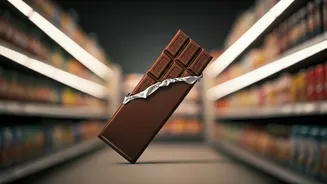
Shrinkflation is a clever, yet often unseen, form of inflation where businesses reduce the amount of product within a package – be it size, weight, or quantity – while holding the retail price steady. This tactic allows manufacturers to absorb increasing operational and production costs without the risk of consumer backlash from obvious price hikes. In essence, you're paying the same amount for less product than before. This strategy becomes particularly prevalent when the costs of essential ingredients like grains, cocoa, cooking oils, or sugar climb, or when fuel prices surge and market competition intensifies, putting pressure on profit margins.
Why Brands Choose Downsizing
When faced with rising expenses for key ingredients such as wheat, cocoa, edible oils, or sugar, food producers are often presented with a dilemma: either increase prices directly or reduce the product's quantity while preserving the existing price tag. Given that consumers are generally quite sensitive to overt price increases, and can be discouraged by them, many brands opt for downsizing products as a less conspicuous alternative. This approach aims to mitigate the impact on sales volumes. Reports suggest that prominent biscuit and bakery producers have already signaled impending price and grammage adjustments. For instance, increased fuel and packaging costs, reportedly by nearly 20%, have been cited as reasons for these anticipated changes, leading to a potential combination of adjusted grammage and minor price increments on certain pack sizes.
Beyond Just Smaller Packs
Shrinkflation isn't solely confined to visibly smaller product packaging. In various instances, companies might modify product formulations, omit certain ingredients, or implement subtle alterations to packaging design as a means of reducing expenses while maintaining the current retail price. This could involve substituting premium ingredients with less costly alternatives, tweaking recipes to use fewer expensive components, or streamlining packaging by removing elements that add cost. Because these changes are often introduced gradually and are not easily discernible, many consumers may not immediately realize they are obtaining less value for the money they spend. The goal is to effect cost savings without triggering a noticeable shift in consumer perception or purchasing behaviour.
Consumer Impact Unveiled
The practice of shrinkflation can understandably lead to frustration among consumers, especially when brands are not transparent about these product adjustments. While the price displayed on the shelf might remain consistent, the reduction in quantity effectively means that consumers are paying more per unit over time. Most shoppers do not meticulously compare product weights or consistently scrutinize labels for subtle changes, allowing these gradual reductions to often go unnoticed. Despite drawing criticism, shrinkflation continues to be a globally prevalent strategy, particularly during periods of economic instability and elevated inflation, as businesses seek to protect their profitability in challenging market conditions.