





Peppermint's Powerful Scent
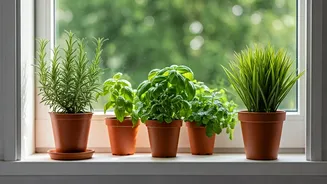
Peppermint stands out as a remarkably effective natural deterrent for lizards, thanks to its intensely sharp and invigorating aroma. This strong scent
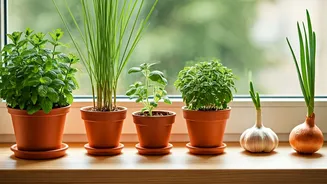
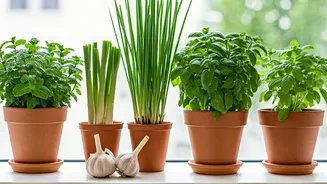
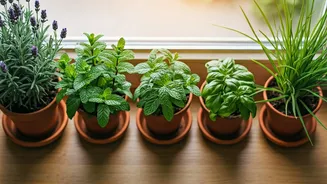
overwhelms the reptiles' senses, making any area where it's present highly unappealing for them to linger. To maximize its repellent effect, strategically position pots of peppermint near common entry points like windowsills, balcony edges, or the perimeters of your kitchen. Beyond its ability to ward off lizards, peppermint also acts as a formidable shield against other common household pests such as ants and mosquitoes, offering a dual benefit of pest control and a fresh, pleasant environment. Its adaptability allows it to thrive both indoors and outdoors, seamlessly integrating into any home's aesthetic and offering a consistently refreshing atmosphere.
Lemongrass: The Citrus Shield
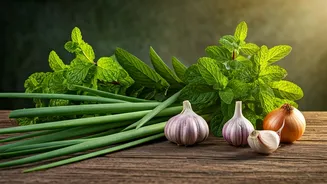
Lemongrass offers a potent defense against lizards through its distinct citrusy fragrance, primarily derived from its high concentration of citronella. This zesty scent acts as a significant deterrent, not only to lizards but also to insects, which form a primary part of a lizard's diet. By diminishing their food sources, lemongrass indirectly encourages lizards to seek habitats elsewhere. For optimal protection, planting lemongrass along garden borders, pathways, or near doorways can create an effective aromatic barrier at the most vulnerable entry points. This low-maintenance plant is also recognized for its culinary uses, particularly in Indian teas, and grows exceptionally well in pots, making it a versatile addition to both gardens and indoor spaces. Its resilience and pleasant aroma make it a practical and attractive choice for natural pest management.
Tulsi's Sacred Aroma
Tulsi, also widely known as holy basil, possesses a deeply aromatic quality that lizards find particularly off-putting, a trait deeply embedded in its cultural significance in India. This potent, fragrant herb creates an environment that reptiles actively avoid. To harness its repellent properties, place pots of tulsi strategically near entrances such as doors and windows, or in sunny indoor locations where lizards might seek refuge. Beyond its insect-repelling capabilities, tulsi is revered for its considerable health benefits and its ability to purify the air, making it a cherished element in many kitchens and households. Cultivating tulsi year-round ensures a continuous and reliable defense against unwanted reptilian guests, while also contributing to a healthier home environment.
Garlic: The Pungent Protector
Garlic's effectiveness as a lizard repellent stems from its powerful, sulfurous odor, which is highly irritating and repulsive to these reptiles. The strong, pungent smell creates a formidable barrier that discourages lizards from entering or staying in areas where it is present. To enhance its pest-repelling capabilities, consider placing garlic pots near entry points into your home or in your kitchen garden. For an extra boost of repellent power, lightly crushing a few garlic cloves can release a more concentrated aroma. Garlic is remarkably simple to cultivate, making it an accessible solution for many households, and it also extends its protective qualities to deterring other common garden pests. It is an ideal choice for placement in vegetable patches or on balconies.
Onion: A Sharp Deterrent
Similar to garlic, onions emit a sharp, irritating aroma that effectively disrupts lizards' ability to navigate and feel comfortable in their surroundings. The pungent volatile compounds released by onions create an unpleasant sensory experience for reptiles, compelling them to steer clear of treated areas. Strategic placement is key; position onion plants or bulbs near potential entry points such as cracks in walls, window frames, or secluded corners of your home. For a synergistic effect, combine onions with garlic, as their combined potent scents can create an even more powerful deterrent. Onions are remarkably easy to grow, even in limited spaces, and their presence also adds practical utility to your kitchen. Their cultivation can enhance your garden or balcony with both a functional pest deterrent and a common culinary ingredient.