






Date and Auspicious Start
Puthandu, revered as the Tamil New Year, marks the commencement of the Tamil calendar and is celebrated with immense fervor, particularly in Tamil Nadu.
It is also recognized as Varusha Pirappu and is observed on the inaugural day of the Tamil month Chithirai. For the year 2026, Puthandu is set to fall on April 14th, with the auspicious moment of Sankranti occurring precisely at 9:39 AM. This timing underscores the festival's deep connection to celestial movements and astrological calculations, signifying a moment of cosmic transition and the dawn of a new cycle. The celebration, held in mid-April, embodies the spirit of new beginnings, promising prosperity and abundant hope for the coming twelve months. Families typically engage in thorough cleaning and beautification of their homes, preparing traditional culinary delights, and seeking divine blessings at local temples. The specific time of Sankranti adds a layer of precision to the observance, highlighting the astronomical basis of the festival and its importance in marking the sun's transition into the zodiac sign of Aries.
Deep-Rooted History
The historical lineage of Puthandu extends back millennia, deeply intertwined with the ancient Tamil civilization and its sophisticated understanding of astronomy. The festival adheres to the solar calendar, precisely pinpointing the day the sun makes its ingress into the zodiac constellation of Aries. This astronomical event is recognized across various Indian traditions as the commencement of a new year. Evidences of this venerable celebration can be found within the classical Tamil literature originating from the Sangam period, attesting to its enduring cultural prominence throughout history. Historically, Puthandu was also closely associated with agricultural rhythms, heralding the arrival of spring and signifying a period of flourishing new harvests and fresh starts. This connection to the land and its cycles further cemented its importance in the lives of ancient Tamils, reinforcing its symbolism of renewal and continuity. The preservation of these historical roots ensures that Puthandu remains a vibrant testament to cultural heritage.
Cultural Significance and Renewal
The profound significance of Puthandu resonates in its powerful affirmation of new beginnings, rejuvenation, and the pursuit of prosperity. As the inaugural day of the Tamil calendar, it represents a pivotal moment for individuals to reflect on the preceding year, learn from its experiences, and embrace the future with optimism and renewed purpose. Culturally, Puthandu serves as a vital thread that strengthens familial bonds and actively preserves the rich tapestry of Tamil heritage. This is achieved through a harmonious blend of sacred rituals, earnest prayers, and joyous communal gatherings. Consequently, the festival becomes a meaningful confluence of time-honored traditions, heartfelt gratitude, and unwavering optimism. It is a time when the community comes together, reinforcing shared values and celebrating the enduring spirit of their culture, ensuring that these traditions are passed down through generations.
Auspicious Rituals and Delicacies
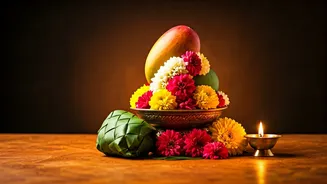
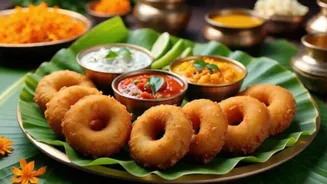
Central to the Puthandu celebration is the 'Kanni' ritual, an auspicious practice where families make it a point to first view a curated collection of fortunate items. This sacred arrangement typically includes fresh fruits, vibrant flowers, and gleaming gold, all beheld as the very first sight upon waking. The belief is that this initial glimpse of auspicious objects will usher in good fortune and prosperity for the entire year ahead. Beyond this spiritual observance, the culinary landscape of Puthandu is equally significant, featuring traditional dishes prepared with great care. Among these, the mango pachadi stands out, a unique concoction that masterfully balances the diverse flavors of life – sweet, sour, bitter, and spicy – mirroring the varied experiences one encounters. The preparation and sharing of these dishes are not merely about sustenance but are deeply symbolic acts that reinforce community bonds and honor ancestral culinary traditions, making the festival a holistic experience for the senses and the spirit.