






Creamy Conundrums Explained
When the frosting on your cake doesn't quite hit the mark, it's often due to the type of cream used. True whipped cream, derived from cow's milk and possessing
at least 30% milk fat, offers a rich, airy texture that melts smoothly. This fat content is crucial for creating soft peaks and a delightful mouthfeel when aerated. In contrast, non-dairy cream is a manufactured blend, primarily consisting of water, hydrogenated vegetable oils, and corn syrup, enhanced with various stabilizers and emulsifiers. While designed to emulate dairy cream's appearance and function, it’s a processed alternative. This distinction is particularly relevant in regions like India, where high ambient temperatures make the stability of non-dairy cream a significant practical advantage for bakeries, ensuring decorations remain pristine throughout the day without succumbing to melting.
Spotting the Creamy Difference
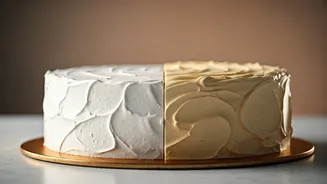
Distinguishing between dairy and non-dairy cream doesn't require a culinary degree; a few simple observations suffice. Tastewise, real whipped cream offers a delicate sweetness with a clean, milky profile that complements the cake's flavor. Non-dairy alternatives, however, tend to be overtly sweet, sometimes with an artificial or waxy aftertaste that lingers. The mouthfeel also provides clues: dairy cream is light and melts quickly, leaving a fresh sensation. Non-dairy cream feels denser, potentially greasy, and can leave a film on the tongue. Visually, dairy cream often has a slightly matte finish, while non-dairy cream typically boasts a glossy, almost plastic-like sheen, with piping that appears sharper and more architecturally defined. A quick melting test on your skin will reveal that dairy cream dissipates almost instantly, whereas non-dairy cream retains its firmer, waxy texture.
Ingredient Labels & Bakery Clues
Examining the ingredients list is a direct route to identifying your cake's cream. Dairy cream will be plainly listed as 'cream' or 'dairy'. Conversely, non-dairy options will feature terms such as 'vegetable fat,' 'stabilisers,' 'non-dairy topping,' 'whipped topping,' or 'palm oil.' Beyond the label, the context of the bakery can be telling. High-end patisseries and premium establishments are more likely to use and highlight the use of genuine dairy cream, often at a higher price point. More affordable neighborhood bakeries, supermarkets, and places catering to budget-conscious orders predominantly opt for non-dairy cream due to its cost-effectiveness and handling ease. Considering these visual, gustatory, and contextual cues will significantly enhance your ability to discern the type of cream adorning your confectionery creations.
The Bakery's Perspective
The widespread preference for non-dairy cream in Indian bakeries stems from practical considerations rather than a deliberate attempt to deceive. Its superior stability is a major asset in a climate with consistently high temperatures, ensuring cakes withstand transport and display without wilting or weeping. Dairy cream, with its lower melting point, poses significant logistical challenges in such conditions. Furthermore, non-dairy cream holds intricate piped designs and decorations with remarkable resilience, allowing for the elaborate cake artistry often seen in bakeries. For individuals with lactose intolerance or dairy allergies, non-dairy cream also presents a viable and often more comfortable alternative, broadening the appeal of celebratory cakes to a wider audience. Thus, while often perceived as a compromise, non-dairy cream plays a crucial role in the accessibility and durability of cakes in many professional settings.