






The Home Food Paradox
For generations, the concept of 'ghar ka khana' or home-cooked meals has been synonymous with health and well-being in Indian households. It was the bedrock
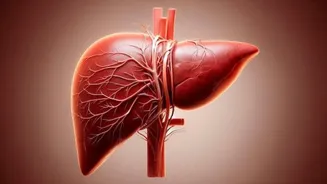
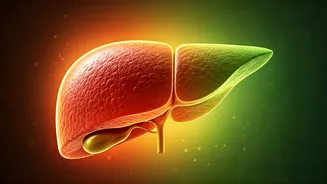
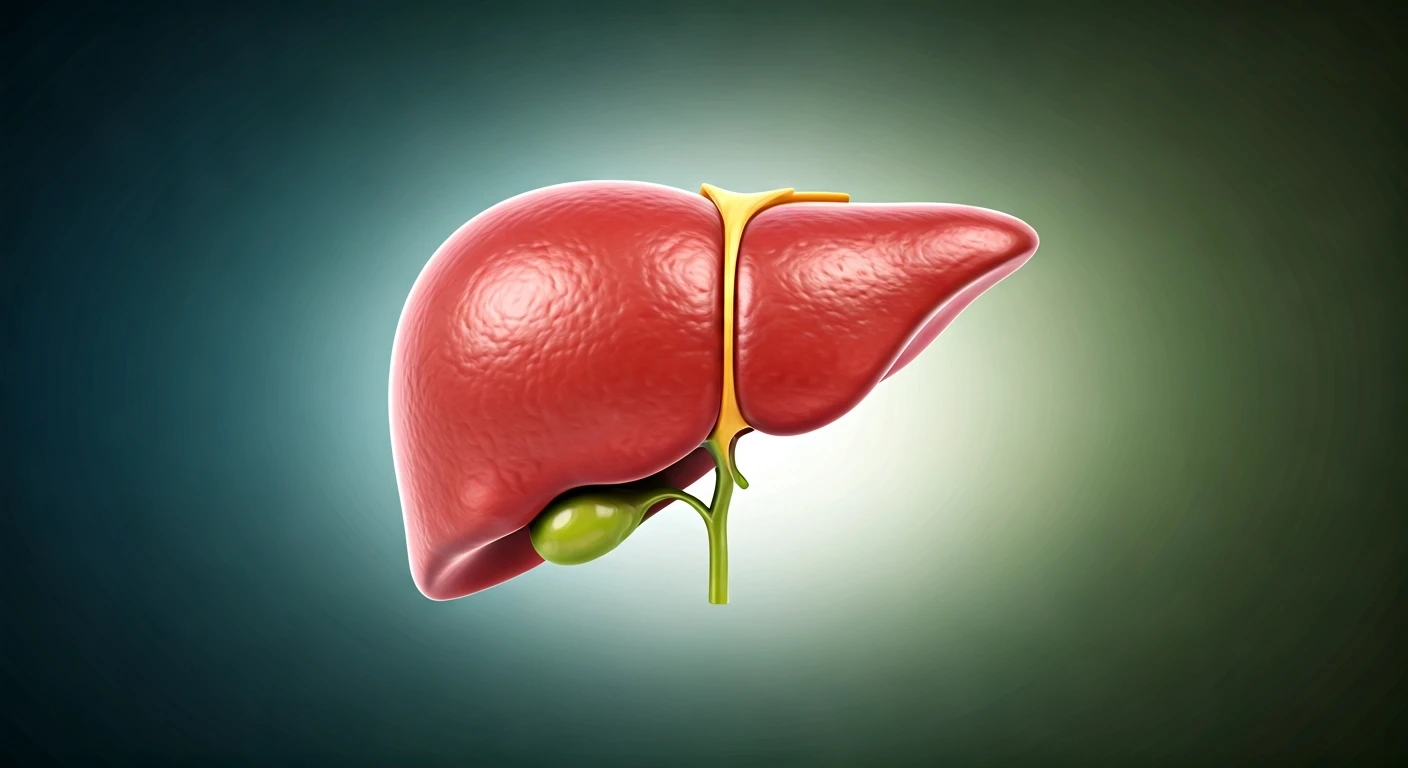
of a balanced diet, offering comfort and nourishment. However, a stark contradiction has emerged: despite the widespread adherence to eating at home, rates of liver-related ailments, particularly fatty liver disease, are escalating dramatically across urban India. Current statistics indicate that a staggering one in three individuals in the country now suffers from some form of fatty liver. This perplexing trend compels us to question what exactly is going wrong with our seemingly wholesome home-cooked food, prompting a deeper examination of the underlying dietary and lifestyle factors contributing to this alarming public health crisis.
Carbs, Sugar Overload
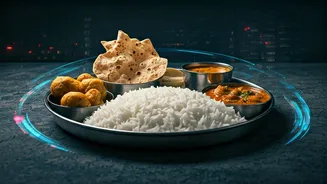
A significant contributor to the rise in liver disease within India is the deeply ingrained carbohydrate-heavy nature of the typical Indian diet. Meals are frequently dominated by staples such as rice, chapatis, and potatoes, often made from refined grains. While these foods are culturally significant and provide comfort, consuming them in excess, especially without a sufficient balance of proteins and fiber, forces the liver into a state of overwork. The liver then converts surplus glucose derived from these carbohydrates into fat, leading to its accumulation. This problem is exacerbated by the pervasive consumption of high-sugar items. From biscuits and post-meal desserts to numerous cups of sweet chai, these add to the metabolic burden on the liver, placing it under continuous strain and contributing to its compromised health.
Hidden Fats & Inactivity
Beyond carbohydrates and sugar, the presence of hidden unhealthy fats in the diet further compounds the issue of liver disease. Many individuals mistakenly equate generous use of ghee or cooking oils with good nutrition. While fats are indeed essential for bodily functions, excessive intake of saturated and trans fats, common in many home-cooked preparations, can silently promote fat buildup within the liver. The risk is not solely linked to dining out; the very preparation and portioning of foods considered 'healthy' at home can be problematic. Compounding this dietary challenge is the increasingly sedentary nature of urban Indian lifestyles. Long working hours spent sitting, particularly in the IT and service sectors, coupled with a general lack of physical activity, drastically reduce the body's capacity to burn calories. Without regular movement or structured exercise, excess fat accumulates unchecked in vital organs, including the liver.
The Asian Paradox
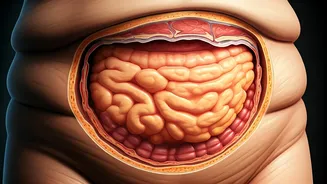
A unique factor contributing to the liver disease epidemic in India is what experts refer to as the 'Asian paradox'. Unlike populations in Western countries where excess fat is often visible externally, individuals of Indian ethnicity may appear to be of normal weight or even thin, yet harbor significant internal fat deposits. This 'thin phenotype' often masks a tendency for visceral fat accumulation, where fat congregates around internal organs rather than just beneath the skin. Consequently, individuals who appear outwardly slim can still be at high risk for developing fatty liver disease and associated metabolic disorders, making early detection and prevention even more crucial.
Metabolic and Environmental Factors
Adding to the complexity of liver disease prevalence is India's escalating diabetes epidemic. It is well-established that insulin resistance, a hallmark of diabetes, actively promotes fat deposition within liver cells. Furthermore, increased exposure to adulterated food products, pesticide residues found in vegetables, grains, and fruits, and the use of certain medications can also contribute to drug-induced liver injury. These environmental and medicinal factors place additional stress on an already overburdened liver, exacerbating existing conditions and contributing to the overall surge in liver-related health issues across urban India.