




The Ageing Arteries Myth
It's a growing concern among Indian cardiologists: individuals in their mid-30s are presenting with arterial stiffness typically observed in much older
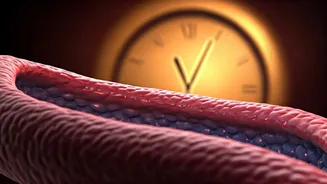
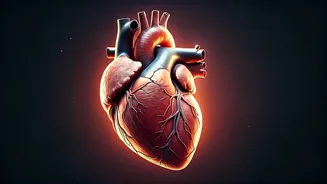
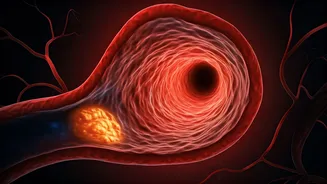
people. This phenomenon, termed 'early vascular ageing,' is a stark reminder that our internal clock doesn't always match our birth certificate. Factors like chronic stress, sedentary lifestyles, poor dietary choices, insufficient sleep, and unmanaged health conditions such as hypertension, diabetes, and high cholesterol are the primary culprits. These elements collectively contribute to the deterioration of the inner lining of our blood vessels, fostering inflammation and leading to plaque buildup. Consequently, arteries lose their natural elasticity, becoming rigid and hindering smooth blood flow. This stiffening raises blood pressure, creating a detrimental feedback loop where high pressure further damages the arterial walls, significantly increasing the risk of severe cardiovascular events like heart attacks and strokes, even in the prime of life.
The Illusion of Safety
A significant danger in modern health is the pervasive myth that youth equates to invulnerability against heart disease. Many people mistakenly believe that feeling healthy and having normal routine check-ups guarantee a sound cardiovascular system. However, this perception can be dangerously misleading. The damage to arteries often progresses silently for years, with no obvious symptoms, meaning the first indication of trouble could be a life-threatening cardiac event. It's entirely possible to maintain a busy professional life—managing meetings, extensive travel, and demanding deadlines—while internally, your arteries are undergoing premature aging. Specialized tests, such as pulse wave velocity, carotid intima-media thickness assessment, and coronary calcium scoring, can detect this early vascular damage, although they aren't part of standard screenings for everyone. Nevertheless, for individuals with a higher risk profile, these evaluations are crucial and can reveal the silent deterioration before it manifests as a critical health crisis.
When Vessels Age Prematurely
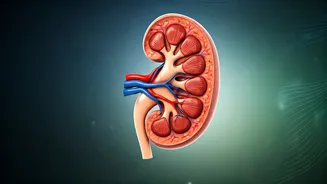
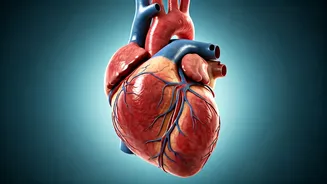
The consequences of early arterial aging extend far beyond a mere number; they directly impact vital bodily functions. When arteries become stiff, blood pressure naturally escalates. This elevated pressure then exerts further stress on the arterial walls, perpetuating a cycle of damage and reduced elasticity. The compromised blood flow resulting from this stiffness can have far-reaching effects. It can reduce the oxygen supply to the heart, potentially leading to a heart attack. Similarly, diminished blood flow to the brain heightens the risk of strokes. The kidneys, essential for filtering waste, can also be affected, impairing their crucial filtration processes. Furthermore, studies suggest that reduced blood flow can even impact sexual health in men. This multifaceted impact underscores why understanding and addressing early vascular aging is paramount for overall well-being.
Reversing the Biological Clock
Fortunately, the trajectory of biological aging, particularly concerning our arteries, is not set in stone. Unlike chronological age, which advances inexorably, biological age is significantly influenced by our lifestyle choices and can be altered. Proactive measures can effectively reverse or at least slow down vascular aging. Engaging in regular aerobic exercise, for instance, is known to enhance arterial flexibility, while strength training contributes to better metabolic health. Adopting a diet rich in vegetables, fruits, nuts, and whole grains plays a vital role in reducing inflammation throughout the body. Ensuring adequate sleep, typically seven to eight hours nightly, helps stabilize stress hormones. Even seemingly small changes, like quitting smoking, can begin to yield positive improvements in vascular function within months. Therefore, shifting our focus from 'how old am I?' to 'how well are my arteries ageing?' empowers us to take control of our cardiovascular future and promote longevity.