





Hormonal Acne: Beyond Hygiene
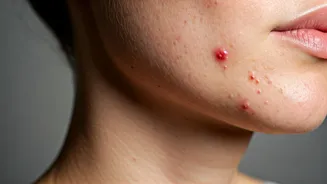
For many women, especially those past 30, recurring acne isn't a sign of uncleanliness but a direct reflection of internal hormonal shifts. Dermatologists
emphasize that factors like stress, sleep patterns, dietary choices, and daily routines play a significant role in triggering these persistent breakouts. It's crucial to understand that these blemishes often stem from hormonal imbalances rather than external irritants such as dirty pillowcases or makeup. While hygiene can exacerbate existing conditions, the root cause for many lies in the body's complex hormonal landscape, making lifestyle adjustments key to effective management and achieving clearer, healthier skin.
Stress and Cortisol's Role
When you're under pressure, your body releases cortisol, a stress hormone. This surge in cortisol signals your sebaceous glands to ramp up oil production, leading to a greasier complexion. This excess oil, combined with inflammation that stress also promotes, becomes a breeding ground for acne. The more chronic the stress, the more likely you are to experience persistent and aggravated breakouts. Effectively managing stress is therefore a critical step in preventing and treating hormonal acne, as it directly impacts your skin's oil balance and inflammatory response.
Dairy's Impact on Skin
Consuming dairy products, particularly cow's milk, can significantly contribute to hormonal acne. Milk contains naturally occurring hormones, including androgens, which can disrupt your body's delicate hormonal equilibrium. This disruption, in turn, can lead to increased sebum production and clogged pores. Studies indicate that milk consumption is associated with a 28% higher risk of developing acne. Therefore, reducing or eliminating dairy from your diet might be a beneficial strategy for individuals struggling with persistent hormonal breakouts.
Sugar's Sweet Acne Link
The allure of sugary treats can have a direct impact on your skin. When you consume foods high in sugar, your blood sugar levels spike rapidly, triggering a significant release of insulin. Elevated insulin levels can amplify the activity of androgens and increase levels of insulin-like growth factor 1 (IGF-1). Both of these factors stimulate sebaceous glands to produce more oil and accelerate the rate at which skin cells shed and clog pores, creating the perfect environment for acne to form. Therefore, indulging in items like soda, candy, and refined white bread is strongly linked to an increased incidence of breakouts.
Weight Gain and Hormones
Fluctuations in body weight, particularly weight gain, can also be a contributing factor to hormonal acne. When you gain weight, it can lead to increased insulin resistance, meaning your body's cells don't respond as effectively to insulin. This inefficiency prompts the body to produce more insulin to compensate, resulting in chronically elevated insulin levels. These higher insulin levels, similar to the effects of sugar consumption, can increase androgen activity and consequently boost oil production, leading to breakouts and exacerbating acne.