



Chia Seeds: Tiny Powerhouses
These diminutive seeds are packed with essential nutrients, boasting significant amounts of fiber, omega-3 fatty acids, and antioxidants. Dr. Anshul Jain
highlights that chia seeds are an excellent source of soluble fiber, which serves as a prebiotic, essentially feeding the beneficial bacteria residing in your gut. Furthermore, their ability to absorb water and form a gel-like consistency aids in regulating bowel movements and promoting a lasting feeling of fullness, contributing to better digestive regularity and satiety. It's crucial, however, to ensure adequate hydration when consuming them, as they require water to activate their beneficial properties and prevent potential digestive discomfort like bloating. Consuming them soaked is recommended to maximize their benefits and minimize any adverse effects.
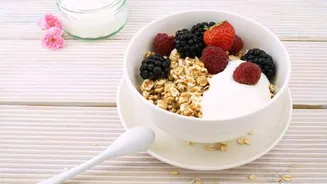
Greek Yogurt's Probiotic Punch
Fermented foods are a cornerstone of gut health, and Greek yogurt stands out due to its rich probiotic content. Probiotics are live microorganisms that, when consumed consistently and in sufficient quantities, offer tangible health benefits to the host. Dr. Jain points out that Greek yogurt is a commendable source of probiotics, particularly strains like Lactobacillus and Bifidobacterium, which are instrumental in re-establishing a healthy equilibrium among gut bacteria. Beyond its probiotic prowess, it also offers a good amount of protein and calcium, making it a dual-action food for overall wellness. Opting for unflavored varieties is key, as artificially sweetened versions can negate the positive impact on gut health, much like indulging in sugary desserts.
Bananas: Nature's Prebiotic
Often praised as a natural probiotic, bananas are a valuable source of resistant starch. This particular type of carbohydrate bypasses digestion in the small intestine and undergoes fermentation in the large intestine, thereby functioning as a prebiotic. Dr. Jain explains that bananas, especially when consumed in a slightly unripe state, contain this resistant starch which serves as nourishment for beneficial gut bacteria, fostering their growth and activity. In addition to their prebiotic qualities, bananas also provide essential nutrients like potassium and vitamin B6, contributing to overall bodily functions and energy levels. Moderation is advised, as consuming too many bananas can potentially lead to gas and bloating.
Ghee: The Gut Healer
Clarified butter, or ghee, has been an integral part of traditional Indian cuisine for centuries and is frequently recognized for its digestive advantages. Dr. Jain elaborates that ghee contains butyrate, a short-chain fatty acid that serves as the primary energy source for the cells that line the colon. This vital compound plays a role in reducing inflammation within the gut and reinforcing the integrity of the gut barrier, which is crucial for preventing the passage of harmful substances into the bloodstream. Incorporating a moderate amount of ghee, such as a spoonful, can support these beneficial processes within the digestive system, contributing to smoother bowel movements and a healthier colon lining.
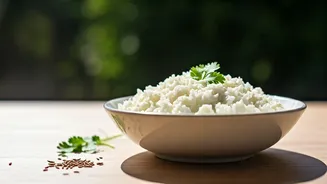
Buttermilk: Cooling Digestive Aid
This traditional fermented dairy beverage is a well-regarded remedy for digestive discomfort and is celebrated for its cooling properties, especially during warmer months. Dr. Jain notes that buttermilk is a valuable source of probiotics, which can help to calm an irritated stomach and promote a balanced gut flora. The lactic acid present in buttermilk further assists in the digestive process, making it easier for the body to break down food. It also contributes to hydration and provides calcium, positioning it as an underrated yet highly effective superfood for maintaining gut well-being. Homemade versions often contain a higher concentration of beneficial probiotics.