
Sweeteners Explained
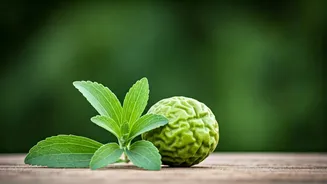
Monk fruit and stevia are both natural sweeteners derived from plants, offering an alternative to traditional sugar. Stevia comes from the Stevia rebaudiana
plant, native to South America, while monk fruit originates from a fruit grown in Asia. Unlike artificial sweeteners, which are chemically synthesized, these sweeteners are extracted and processed from natural sources. They are often chosen by individuals seeking to manage their weight or blood sugar levels. They provide sweetness without significantly impacting blood glucose, making them suitable options for those with diabetes or those looking to reduce sugar intake.
Weight Loss Impact
When it comes to weight loss, both monk fruit and stevia offer an advantage over sugar due to their negligible calorie content. By using these sweeteners, you can enjoy sweet flavors without adding extra calories to your diet, which can aid in weight management. Neither sweetener has been definitively shown to directly cause weight loss on its own. Their primary benefit lies in helping reduce overall calorie consumption by replacing sugar. The impact on weight loss will vary based on individual dietary habits and overall lifestyle. Both can be valuable components of a balanced eating plan that supports weight management goals.
Nutritional Showdown
Both sweeteners are generally regarded for their lack of impact on blood sugar levels and absence of calories. Stevia contains trace amounts of nutrients, though not in significant quantities to provide any meaningful nutritional benefits. Monk fruit also shares this characteristic, offering minimal vitamins or minerals. These sweeteners primarily serve to satisfy the desire for sweetness. They can play a role in reducing the overall sugar intake within one's diet. It is also important to note that the way these sweeteners are processed can vary, and additives might be present, so it’s essential to read product labels carefully.
Digestive Considerations
While both sweeteners are generally well-tolerated, individual digestive responses can differ. Some people might experience bloating, gas, or other digestive discomfort. Stevia, in particular, has been linked to digestive issues in some individuals, particularly those sensitive to plant compounds. On the other hand, monk fruit is often considered gentler on the digestive system. However, this varies from person to person. It's recommended to start with small amounts of either sweetener to see how your body reacts. If you experience any digestive upset, adjust your intake accordingly, or consult a healthcare professional. Individual sensitivity and tolerance are essential factors in determining which sweetener is more appropriate for you.
Making the Choice
Choosing between monk fruit and stevia depends on individual preferences and needs. If you're sensitive to certain plant compounds, or if you've experienced digestive issues with stevia in the past, monk fruit might be a better option. Consider taste preferences: some people find stevia has a slight aftertaste, while monk fruit's taste is often considered cleaner. In terms of weight loss, both offer the same benefit - a way to enjoy sweetness without the calories of sugar. Look at the ingredient list of any products you choose. Check if they contain additives or fillers that you want to avoid. Ultimately, the best choice is the one that best aligns with your health goals, taste preferences, and digestive comfort.