
Apple Orchard Beginnings
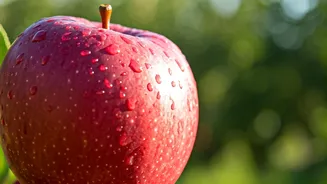
In the early 20th century, the landscape of Himachal Pradesh underwent a significant transformation, profoundly influenced by the introduction of apple
cultivation. Samuel Evans Stokes, with his foresight, brought American apple varieties to Kotgarh, effectively laying the groundwork for what would become a defining feature of the state. This initiative was not merely a shift in agricultural practice; it was the genesis of an economic cornerstone. Today, this legacy continues, with Himachal Pradesh contributing nearly half of India's total apple production, with districts like Shimla, Kinnaur, and Kullu leading the way. Apples from this region are now recognized across India and even globally, playing a pivotal role in Himachal's economic stability and growth. This initial venture, fueled by Stokes' vision, has evolved into a thriving industry, reshaping the region's agricultural profile and bolstering its economic landscape.
Beyond Apples Abound
While apples reign supreme, Himachal Pradesh’s fruit cultivation extends far beyond. The region's diverse climate and topography support a wide array of fruits, ensuring a constant supply of fresh produce throughout the year. Cherries, primarily found in Kullu and Shimla, are harvested in the early summer, marking the beginning of the fruit season. The mid-hills are ideal for plums and apricots, adding to the variety of the orchards, while peaches and pears flourish in the districts of Solan and Sirmaur. Newer crops like kiwi and strawberries are also gaining popularity among local farmers. This rich mix of fruits provides a robust and varied agricultural portfolio, contributing to the state’s economic resilience and enriching the experiences of residents and visitors alike. The comprehensive fruit cultivation practices reflect an adaptive agricultural strategy that maximizes the potential of Himachal Pradesh's diverse climatic conditions and cultivates a wide variety of produce.
Reaching Markets Efficiently
The fruit harvest from Himachal Pradesh travels far and wide, primarily reaching major markets across India. The fruits are primarily transported to bustling hubs like Delhi, Chandigarh, and Mumbai. The Azadpur Mandi in Delhi, celebrated as Asia’s largest fruit market, receives a significant portion of the apples and other produce from Himachal Pradesh. This logistical efficiency is made possible by improved road networks and the use of refrigerated trucks, ensuring faster and more effective distribution. These developments underscore the modernization of the region's infrastructure, supporting the preservation and timely delivery of fresh produce. They facilitate economic benefits, connecting Himachal Pradesh's fruit growers to large consumer markets and optimizing the supply chain for their valuable harvests.
Navigating Industry Challenges
Despite its success, Himachal Pradesh's horticulture faces several challenges. Climate change, marked by rising temperatures and inconsistent rainfall, is one such hurdle, directly affecting crop yields. Pests and diseases like apple scab also pose serious threats, necessitating continuous monitoring and control measures. Moreover, market fluctuations can lead to unstable prices, creating financial uncertainties for farmers. In response to these challenges, the government actively promotes crop diversification, encouraging farmers to explore options like kiwi and pomegranate cultivation. Organic farming practices are also being promoted, aiming to boost sustainability and resilience. These measures indicate proactive strategies to safeguard the fruit industry and ensure its long-term viability against changing environmental and economic pressures.
Boosting Tourism's Appeal
The flourishing fruit cultivation in Himachal Pradesh has also significantly boosted tourism. The state's picturesque landscapes and thriving orchards attract visitors from far and wide, not only for their scenic beauty but also for unique experiences. Orchard tours, apple-picking festivals, and the local fruit wines offer immersive experiences, adding to the state's allure. Towns like Kotgarh and Thanedar, steeped in apple heritage, draw tourists eager to explore the history and traditions of the region. Furthermore, Kinnaur's orchards beckon travelers looking for authentic rural experiences. This blend of agriculture and tourism creates a symbiotic relationship, enhancing the economic prospects of the communities and presenting Himachal Pradesh as a multifaceted destination, inviting visitors to experience its fruit-rich heritage.
A Fruit Bowl's Essence
The title of 'Fruit Bowl of India' is well-deserved for Himachal Pradesh. This state, nestled in the Himalayas, is famous for its apple orchards, the cultivation of cherries and peaches, all contributing to enriching lives and landscapes. The cool, temperate climate and fertile soil, specific to its location, provide ideal conditions for fruits that cannot flourish in the hotter plains of India. The high altitude, which varies from 350 meters to over 6,000 meters above sea level, creates microclimates. This environment supports a diverse range of crops. The fruit industry serves as a crucial lifeline for rural communities, supporting nearly 2 lakh families, and the government's investments in infrastructure further demonstrate its significance.
The Lifeline of Communities
Horticulture is a vital element for rural communities in Himachal Pradesh, providing livelihood for nearly 2 lakh families. Recognizing its importance, the state government has made substantial investments in infrastructure. This includes irrigation systems, cold storage facilities, and transportation networks, all geared towards supporting the farmers. The Horticulture Development Project, supported by the World Bank, has been instrumental in modernizing farming practices. It has introduced high-yield varieties and advanced scientific techniques, thereby enhancing both efficiency and yield. The strong backing from the government and international organizations reinforces the pivotal role horticulture plays in the economic stability of Himachal Pradesh's rural sector, ensuring that it remains a vital source of income and prosperity for its people.
Fruits in Cultural Tapestry
Fruits are an integral part of Himachal Pradesh's culture, deeply woven into the local traditions and daily life. The harvesting seasons are celebrated through vibrant local festivals, where the abundance of fruits is celebrated. Traditional dishes often feature apples, apricots, and plums, showcasing the region's agricultural produce. Folk songs and stories frequently highlight the importance of orchards in daily life, illustrating the close-knit relationship between the community and the land. These traditions and practices show how deeply rooted fruit cultivation is within the cultural identity of Himachal Pradesh, showcasing its importance and preserving the state's unique heritage. This integration further solidifies its well-earned title of India's 'Fruit Bowl', emphasizing the harmonious relationship between nature, community, and culture.