





The Quiet Bone Shift
After reaching the early thirties, a woman's body undergoes a subtle yet crucial change in bone metabolism. For years, bone tissue has been in a state
of dynamic balance, with the processes of bone formation and resorption occurring at roughly equal rates. However, post-35, this equilibrium begins to waver. The rate at which old bone tissue is broken down (resorption) starts to outpace the body's capacity to generate new bone. While this transformation is gradual and typically symptom-free in its nascent stages, it lays the groundwork for future skeletal fragility. Orthopaedic experts emphasize that this period marks a critical juncture for women, necessitating an early awareness of bone health to ensure long-term skeletal integrity and ward off potential issues like osteoporosis.
Understanding Osteoporosis's Grip
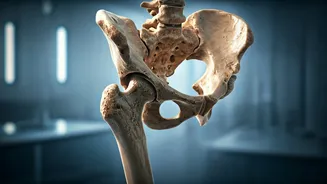
Osteoporosis is a systemic condition that compromises bone structure, rendering them weak, brittle, and exceedingly susceptible to fractures. Alarmingly, an individual may remain oblivious to its insidious progression for a considerable duration. The skeletal sites most commonly affected include the hip, spine, and wrist bones, which are vital for mobility and daily function. By the time a diagnosis is made, there can often be extensive deterioration of bone mass and density, making recovery more challenging and increasing the risk of serious injury from even minor impacts.
Why Women Are Prone
Several interconnected factors contribute to women's heightened susceptibility to bone density loss after 35. A primary driver is the significant role of hormonal fluctuations, particularly the gradual decline in oestrogen production leading up to menopause. Oestrogen plays a crucial role in maintaining bone mass, and its reduction can accelerate bone resorption. Furthermore, inadequate intake of essential nutrients like calcium and vitamin D, vital for bone integrity, can expedite this process. Today's increasingly sedentary lifestyles also play a part, as prolonged sitting and reduced physical activity limit the necessary mechanical stimulation for bone strength. Additionally, periods of pregnancy and lactation can significantly deplete the body's calcium reserves if not adequately replenished through diet or supplements.
Ignoring Subtle Signals
Although bone loss often proceeds silently, certain seemingly minor bodily changes should not be dismissed. Experiencing frequent small fractures from trivial incidents can be an early indicator of compromised bone strength. A noticeable, unexplained loss in height over time is another significant sign. Changes in posture, such as a slight stoop or bend in the spine, may suggest underlying bone weakening. Persistent chronic lower back pain or even unexplained breathlessness can also be subtle manifestations of deteriorating bone health. Lastly, a family history of osteoporosis significantly increases an individual's risk, underscoring the importance of proactive monitoring.
Diagnosing Bone Weakness
The definitive method for assessing bone health and diagnosing potential weakness is through Dual-energy X-ray Absorptiometry, commonly known as DEXA scans. This advanced imaging technique accurately measures the mineral content of bones, thereby quantifying their strength and density. A DEXA scan provides crucial information that allows healthcare professionals to identify bone density issues at an early stage. This early detection is paramount, enabling timely interventions, adjustments to treatment plans, and the implementation of preventive strategies to avert more severe skeletal complications later in life.
Proactive Bone Protection
Fortunately, safeguarding bone health after 35 involves accessible and actionable steps. A cornerstone of bone protection is adopting a balanced and nutrient-rich diet, with a particular emphasis on ensuring adequate calcium intake. Regular physical activity, incorporating weight-bearing exercises like walking or activities like yoga, significantly contributes to maintaining bone density and strength. For individuals with more advanced bone loss or existing fractures, medical interventions may be necessary to manage pain, treat injuries, and restore mobility. Embracing these lifestyle modifications and seeking timely medical advice can make a profound difference in preserving skeletal health throughout life.