






The New Mountain Nomad
A significant shift is underway in India's popular mountain destinations, with younger generations and remote workers increasingly opting for extended
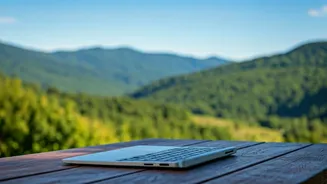
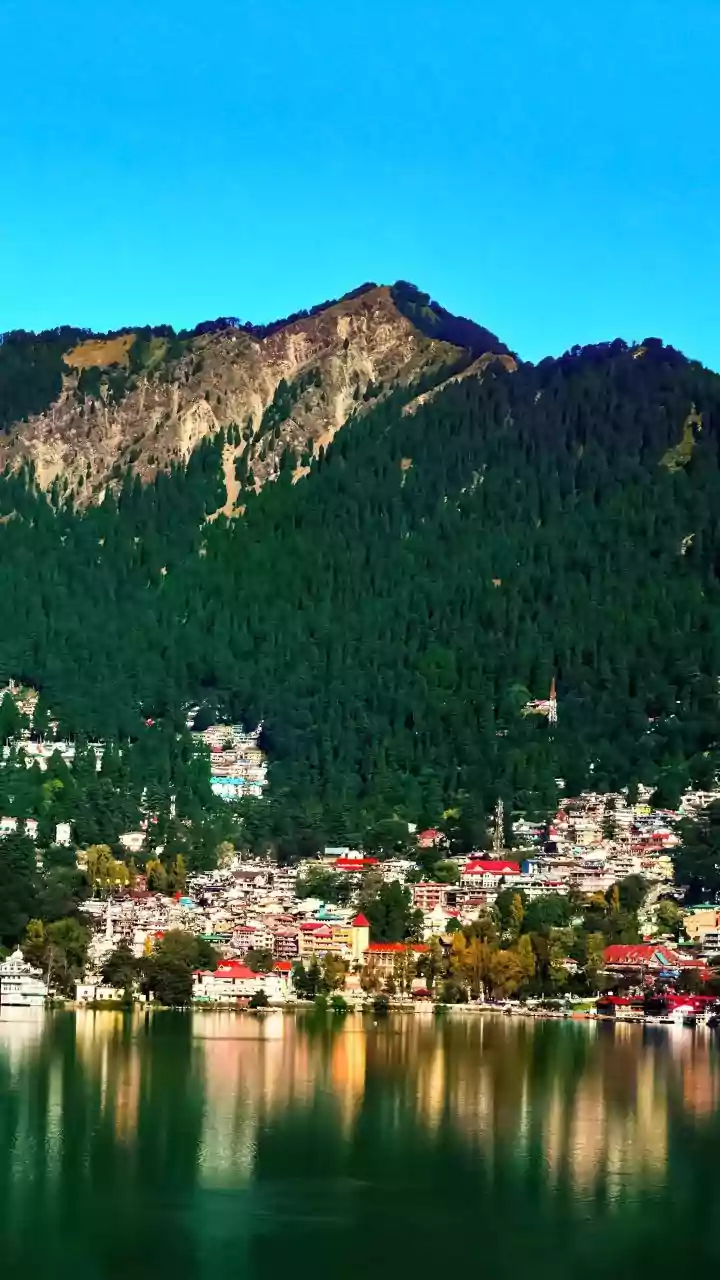
stays instead of fleeting weekend visits. This emerging trend sees travelers embracing 'workations,' a concept that seamlessly merges professional responsibilities with the serene environment of hill stations. Social media platforms, particularly Instagram, have played a pivotal role in popularizing this lifestyle, showcasing idyllic scenes of mountain cafes, pine-covered landscapes, and individuals working remotely from picturesque balconies. This visual narrative has transformed many smaller hill towns into aspirational hubs for freelancers, creators, and solo travelers seeking an alternative to urban hustle, fostering a desire for a more immersive and unhurried experience in nature.
Workation Packages Thrive
The surge in remote work has fundamentally altered the travel landscape, creating a new demographic of individuals unshackled from traditional office locations. These digital nomads are now choosing to temporarily relocate to quieter mountain regions, attracted by a lower cost of living and a more relaxed pace of life. For accommodation providers in these areas, this presents a lucrative opportunity. Instead of relying solely on seasonal tourist rushes or short-term bookings, many homestays and hostels are now curating specialized month-long packages. These comprehensive offerings typically include essential amenities for remote workers, such as stable high-speed Wi-Fi, accessible kitchen facilities, laundry services, and designated co-working spaces, effectively transforming these accommodations into comfortable, temporary homes rather than standard hotels.
Host Benefits of Stability
From the perspective of mountain property owners, encouraging month-long stays offers substantial advantages over the unpredictable nature of short-term tourist bookings. Many hill destinations experience pronounced seasonality, leading to a significant drop in occupancy rates outside of peak travel periods. Long-term guests provide a much-needed consistent income stream, helping to buffer against these quieter months and offering greater financial predictability. Furthermore, operators find that by focusing on affordability and lifestyle rather than luxury, they can attract a wider audience. A bundled monthly package that includes internet, meals, and workspace access can represent a considerably more economical option for extended stays compared to the cumulative cost of multiple weeks in a traditional hotel setting. The increasing visibility of 'workation packages' and monthly rentals on travel platforms and social media underscores this growing demand.
Social Media Fuels Slow Living
The aspirational image of mountain living has been significantly amplified by social media, particularly Instagram, which has been instrumental in elevating the concept of slow living to a prominent lifestyle trend. Content creators frequently share their experiences of tranquil mornings in the hills, productive work sessions at charming cafes, and extended periods spent in secluded valleys. The allure of escaping congested cities for cleaner air and a more peaceful routine has particularly resonated with younger travelers experiencing burnout from urban environments. This trend signifies a departure from the traditional tourist mindset of ticking off destinations, shifting the focus instead to deeply experiencing a place over an extended period. It fosters a rhythm of working by day and exploring local culture and nature in the evenings, embodying the broader philosophy of 'slow travel'.
Affordability Drives Choices
The financial aspect is a compelling driver behind this burgeoning trend. In numerous mountain towns, the cost of a month-long stay often proves to be more economical than renting an apartment in a major metropolitan city. Basic hostel accommodations and simple rooms can be secured for approximately Rs 8,000 to Rs 15,000 per month. For those seeking more comfort, mid-range workation packages offering private rooms and reliable Wi-Fi typically fall within the Rs 20,000 to Rs 40,000 range. Lesser-known destinations such as Jibhi, Tirthan Valley, Banjar, and certain areas within Kangra and Palampur are gaining traction because they provide serene environments at considerably lower price points than established hill stations. For travelers, the financial calculation is straightforward: a month immersed in the tranquility of the mountains can sometimes cost less than staying in a city, all while offering a profoundly different and enriching lifestyle.
Evolving Mountain Tourism
This evolving trend is fundamentally reshaping the nature of mountain tourism. Rather than functioning solely as brief escape venues, many hill towns are transforming into versatile spaces that integrate hospitality, co-living arrangements, and a thriving remote-work culture. This development aligns with broader societal shifts and governmental encouragement for remote work, with Prime Minister Narendra Modi advocating for increased adoption of work-from-home policies. Recent travel data supports this, indicating a substantial rise in slow travel patterns, particularly among younger demographics and remote workers. Reports show a notable increase in longer stays, single-base itineraries, and off-season travel, with trips lasting 6-9 nights growing by 19 percent, off-season travel by 39 percent, and shorter breaks of 4-6 nights by 43 percent among Gen Z and young professionals. This data clearly signals a move away from rushed, multi-stop vacations toward more immersive and relaxed travel experiences, leading to changes in local infrastructure like cafes advertising high-speed internet and hostels organizing community events.