






The Perils of Sweetened Beverages
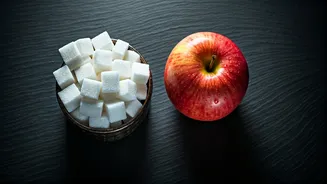
Sugary drinks, including sodas, energy drinks, and sweetened coffees and teas, pose significant risks to blood sugar management. Their rapid absorption
into the bloodstream, due to the absence of fiber, protein, and fat, causes sharp spikes in glucose levels followed by energy crashes and increased hunger. This constant fluctuation can negatively impact insulin resistance, leading to weight gain. Furthermore, the empty calories contribute to an excess calorie intake without providing satiety, making it easy to consume hundreds of calories quickly without feeling full. This pattern can exacerbate insulin resistance, making it even harder to control blood sugar levels. The cumulative effect of these drinks can also place undue strain on blood vessels over time, potentially harming heart health, especially for individuals managing diabetes or high blood sugar.
Caffeine's Double Whammy
Many sweetened beverages, such as matcha lattes, iced espressos, and sweet teas, also contain caffeine, presenting a dual threat to blood sugar control for some individuals. While caffeine's impact on blood sugar varies, for certain people, it can interfere with hormonal responses, thereby increasing insulin resistance and elevating blood glucose levels. When combined with added sugars, this effect can be amplified, leading to more unpredictable and pronounced blood sugar spikes. This combination of sugar and caffeine creates a 'double whammy' scenario, making it more challenging to maintain stable blood glucose readings. Understanding this interaction is crucial for individuals looking to proactively manage their blood sugar through dietary choices.
Healthier Beverage Choices
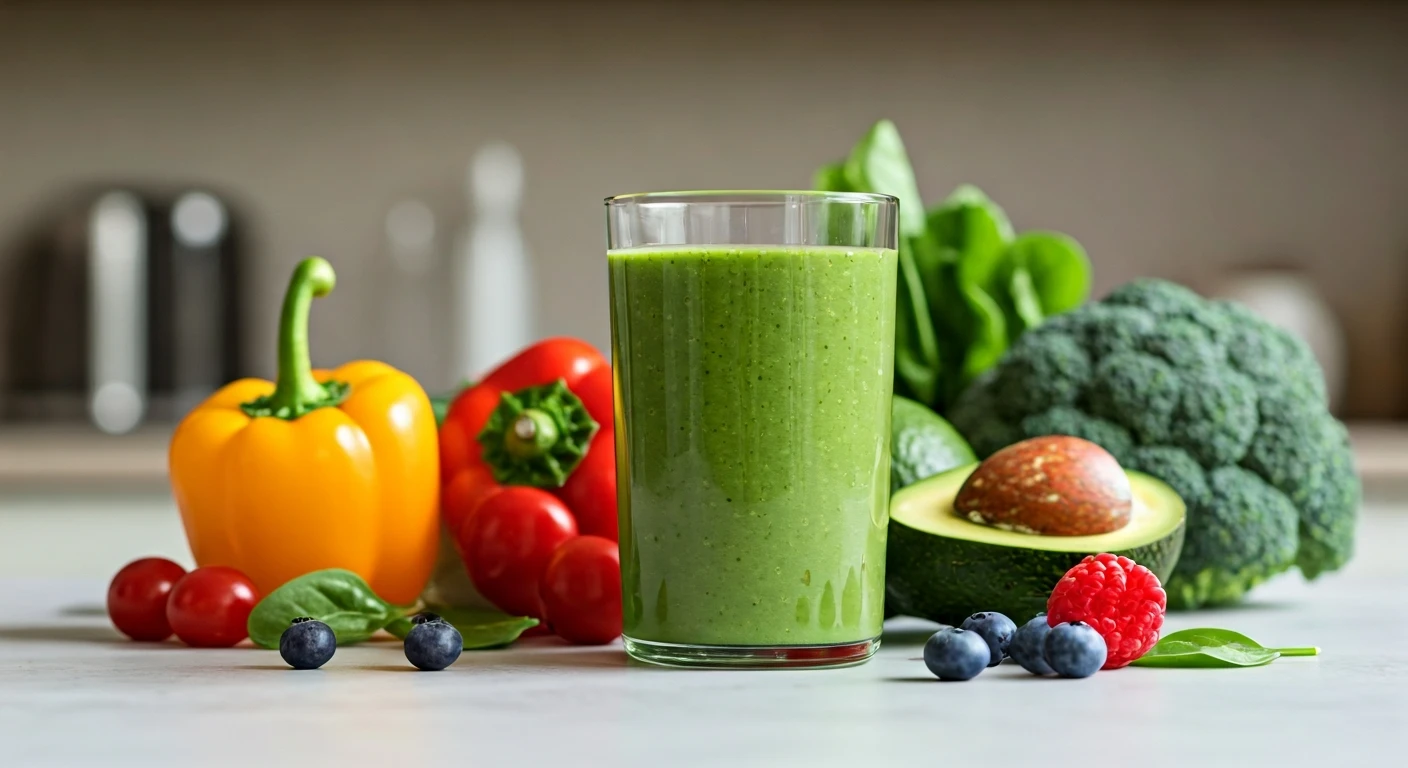
To effectively manage blood sugar levels, dietitians strongly advocate for opting for zero-calorie beverages over their sugary counterparts. Water remains the superior choice, but other excellent alternatives include seltzer and unsweetened herbal teas, which offer hydration without impacting glucose levels. If caffeine consumption is not a concern for an individual's blood sugar, unsweetened coffee and tea can also be part of a healthy beverage strategy. The key is to prioritize drinks that do not introduce added sugars or excessive calories, thereby supporting stable blood sugar and overall well-being. Making these simple switches can have a profound positive impact on health.
Holistic Blood Sugar Strategy
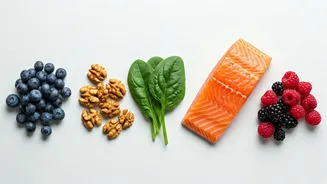
Beyond beverage choices, a comprehensive approach to blood sugar management involves balancing meals, regular physical activity, and diligent monitoring. Filling your plate with whole, minimally processed foods like non-starchy vegetables, lean proteins, whole grains, and healthy fats aids in stabilizing blood sugar. Limiting processed and fried foods is also essential. Engaging in at least 150 minutes of moderate physical activity per week can significantly improve blood sugar and weight management, as well as reduce the risk of diabetes-related complications; even starting with short daily walks can be beneficial. For those with diabetes, regularly tracking blood sugar levels provides valuable insights into how various foods, drinks, and activities influence glucose readings, empowering them to make informed lifestyle adjustments.