
Cozy Winter Essentials
Winter often demands footwear that provides both warmth and protection without sacrificing style. Selecting the right sneakers involves considering multiple
factors, including materials, design, and suitability for different weather conditions. A good winter sneaker should be crafted from durable materials, offer adequate insulation to keep feet warm, and provide sufficient traction to navigate slippery surfaces. Furthermore, the aesthetic appeal of the sneaker plays a crucial role, allowing wearers to maintain their personal style even during the colder months. This comprehensive selection balances practicality with fashion, ensuring that each sneaker not only performs well but also complements winter wardrobes effectively.
Stylish High-Tops Explored
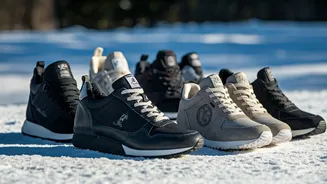
High-top sneakers are an excellent choice for winter because they provide additional ankle support and insulation. Several models stand out for their blend of functionality and style. For instance, some feature water-resistant uppers made from leather or synthetic materials to shield against rain and snow. The designs range from classic, minimalist styles to bolder, more contemporary looks with unique textures or patterns. Furthermore, the high-top design helps to trap heat, ensuring the feet remain warm, and the extended coverage prevents snow from entering the shoes. When selecting high-tops, it’s beneficial to check the sole for good grip and ensure the inner lining provides sufficient cushioning for all-day comfort. These features collectively make high-tops a reliable and fashionable option for winter wear.
Weather-Ready Low-Tops
Low-top sneakers are ideal for those who prefer a more streamlined look but still need winter-ready features. The key is to find models that incorporate waterproof materials and sturdy soles. Many low-top winter sneakers are constructed with water-resistant treatments on the upper, such as a durable water repellent (DWR) coating, to keep feet dry. The soles are often made from rubber compounds specifically designed for enhanced grip on icy or wet surfaces. Additionally, the interior of the shoe should offer adequate insulation, possibly with a fleece or thermal lining, to maintain warmth. The versatility of low-tops makes them suitable for various activities, from casual outings to daily commutes, without compromising on style or protection from the elements. Careful attention to material choices ensures these sneakers perform well in challenging weather conditions.
Performance-Focused Designs
For individuals who are active even in winter, performance-focused sneakers provide the necessary support, traction, and protection. These sneakers often include advanced features like waterproof membranes, reinforced toe caps, and specialized outsoles. Waterproof membranes, such as Gore-Tex, prevent water from seeping into the shoe while still allowing the feet to breathe. Reinforced toe caps protect the feet from impacts and abrasions, making them suitable for outdoor activities. The outsoles typically feature deep treads designed to maximize grip on snow and ice, offering stability and preventing slips. Moreover, these sneakers may incorporate technologies for enhanced cushioning and arch support, which is essential for comfort during extended periods of activity. Selecting the right performance sneakers ensures that winter adventures can be pursued without compromising on safety or performance.
Insulated and Warm
Warmth is a primary consideration when choosing winter sneakers, and many models are specifically designed with insulation to retain heat. Key features to look for include insulated linings, such as Thinsulate or fleece, which trap body heat and keep feet warm in cold conditions. These linings work in conjunction with the upper materials to provide a barrier against the cold. The design of the shoe can also affect warmth; higher-cut sneakers generally provide better insulation due to increased coverage. Furthermore, it's beneficial to select sneakers that feature a padded tongue and collar, which can help seal out cold air. For extra warmth, consider wearing thick wool socks with your winter sneakers. Ultimately, prioritizing insulated sneakers is crucial for maintaining comfort and preventing the discomfort associated with cold feet during winter.
Stylish and Versatile Choices
A good winter sneaker should be versatile enough to transition between various settings while still maintaining a sense of style. Versatile sneakers often feature neutral color palettes, such as black, grey, or navy, that easily integrate with different outfits. The design elements are frequently understated, allowing for easy pairing with both casual and semi-formal attire. Consider sneakers with sleek silhouettes that can be dressed up or down. A versatile sneaker can save time and effort in the mornings, removing the need for constantly changing footwear. The key is to find models that balance functionality with aesthetic appeal, making them suitable for the office, social gatherings, or everyday errands. This versatility maximizes the use of a single pair of sneakers throughout the winter season.
Durability and Longevity
Durability is essential when selecting winter sneakers because they are subjected to harsh conditions, including exposure to water, snow, and salt. Look for sneakers constructed from durable materials like leather, synthetic leather, or robust textiles. These materials should be treated to resist water and abrasion, which can significantly extend the life of the footwear. Reinforced stitching, particularly around the seams, ensures that the shoe can withstand the stress of regular wear and tear. Furthermore, paying attention to the quality of the sole is crucial; a well-constructed sole with a good grip not only provides better traction but also resists wear. Checking customer reviews can provide insights into the durability of specific models. Investing in durable sneakers saves money and reduces the environmental impact of frequent replacements, making them a wise choice for the winter season.
Material Matters: Waterproofing
Waterproofing is a crucial feature for winter sneakers to protect feet from moisture and maintain warmth. The most effective waterproofing methods include the use of waterproof membranes, such as Gore-Tex, which prevent water penetration while still allowing the feet to breathe. Alternatively, some sneakers utilize water-resistant treatments on the upper materials. DWR coatings cause water to bead up and roll off the surface. Other materials, such as leather, can be treated with waxes or sprays to enhance their water resistance. The construction of the shoe, including sealed seams and a gusseted tongue, also plays a critical role in preventing water from entering. Regularly maintaining the waterproofing of your sneakers, such as reapplying treatments as needed, ensures optimal performance. Prioritizing waterproof sneakers is essential for enjoying comfortable and dry feet throughout the winter months.
Sole Selection Guide
The sole of a winter sneaker significantly impacts its grip, comfort, and longevity, making it a critical consideration. Look for soles made from durable materials like rubber, which provide excellent traction on various surfaces, including snow and ice. Deep treads are particularly useful for gripping slippery surfaces. The design of the sole also plays a role; a multi-directional lug pattern can improve grip in different directions. The thickness of the sole contributes to insulation and cushioning, which enhances comfort during extended wear. Some sneakers feature specialized soles designed for specific activities, such as hiking or running, which offer additional support and protection. Furthermore, consider the flexibility of the sole, as it affects the sneaker’s comfort and responsiveness. Selecting the appropriate sole ensures that winter sneakers are both functional and comfortable, providing the wearer with confidence and stability in challenging conditions.
Caring for Winter Sneakers
Proper care and maintenance are crucial for extending the life and performance of winter sneakers. Begin by cleaning your sneakers regularly to remove dirt, salt, and other debris that can damage the materials. Use a soft brush and mild soap, avoiding harsh chemicals. For leather sneakers, consider using a leather cleaner and conditioner to prevent cracking and maintain their flexibility. Allow your sneakers to air dry completely after cleaning or if they get wet, avoiding direct heat sources that can warp the materials. Applying a water-repellent treatment regularly helps maintain the waterproof capabilities of the sneakers. Storing sneakers in a cool, dry place when not in use prevents mold and mildew. By practicing these maintenance tips, you can ensure that your winter sneakers remain stylish and functional throughout the season, allowing for many seasons of use.