






Salary Woes Mount
Teachers and non-teaching staff in Maharashtra's aided and government schools are expressing deep discontent as their March salaries, usually disbursed
by the third day of the month, remain unpaid well into April. This unprecedented delay has left many educators in a precarious financial situation, struggling to meet essential household expenses, manage loan installments, and cover educational costs for their children. The lack of clear communication from the state's school education department exacerbates their anxiety, leaving them uncertain about when they will receive their earned wages. This situation has escalated to the point where teacher associations are now contemplating a full-scale statewide agitation if the issue is not resolved promptly, highlighting the severe impact of administrative oversight on the livelihoods of educational professionals.
Calls for Intervention
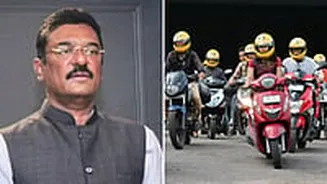
The Maharashtra Purogami Teachers Association has formally addressed Chief Minister Devendra Fadnavis and other senior education officials, formally lodging a complaint about the prolonged delay in salary disbursements. They have characterized the situation as a critical procedural failure and are urgently requesting state intervention to rectify the matter. Tanaji Kamble, the association's state president, emphasized that receiving a monthly salary is a fundamental right for every employee and that the current delay is entirely unacceptable. He declared that if the salaries are not credited within the current week, the association will be compelled to initiate widespread protests across the state. Kamble also pointed out the unfairness of penalizing diligent employees by withholding their pay, even if the government is investigating potential irregularities within the system. This sentiment reflects a broader feeling among educators that while accountability is important, it should not come at the expense of their basic financial stability.
Financial Strain Felt
The extended waiting period for salaries has already imposed a tangible financial burden on teachers throughout Maharashtra. A senior educator from a Mumbai-based school noted that while minor delays sometimes occur around the end of the fiscal year, the current situation, nearing a full half-month's wait, is far beyond what is considered normal or manageable. This prolonged absence of income makes it exceedingly difficult to cover even the most basic daily expenses. While officials, like Mahesh Palkar, Director of School Education (Secondary), have downplayed the connection between the delay and any ongoing verification processes on the Shalarth system, attributing it to a general end-of-financial-year lag, educators remain unconvinced. Whispers among officials suggest a technical issue within the Shalarth system, the state's payroll management platform, is the primary culprit. This glitch reportedly coincides with a recent digital audit of employee records, launched in response to a discovered scam involving fabricated Shalarth IDs used for illicit salary payments.
System Glitch Cited
The current salary delay is reportedly linked to a technical malfunction within the Shalarth system, the state's central platform for salary processing. This issue has emerged concurrently with a statewide digital verification initiative for employee records. This verification drive was implemented following the exposure of a significant scam where fraudulent Shalarth IDs were exploited to generate unauthorized salary payments. Union representatives have voiced concerns that while the verification process, intended to enhance transparency and prevent future fraud, is a necessary step, it should not impede the timely disbursement of salaries to legitimate employees. They argue that administrative oversights and technical glitches that disrupt salary payments are unacceptable and place undue hardship on honest workers. The core message from the unions is that the investigation into irregularities should proceed without penalizing the vast majority of employees who are diligently performing their duties and rely on their timely wages.