






Indian Botanical Cleansers
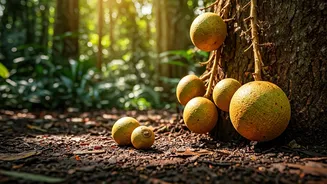
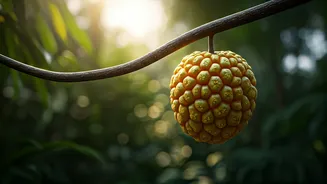
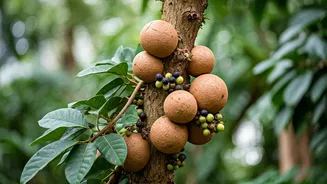
In the rich tapestry of ancient Indian hair care, a potent combination of soapberries, known locally as 'reetha,' and the nutrient-dense 'amla' fruit formed
the basis of a gentle, natural cleansing agent. This mixture, when boiled, produced a mild lather that effectively cleaned hair while simultaneously imparting nourishment. Unlike harsh modern detergents, these ingredients were revered for their conditioning properties, contributing to stronger, healthier strands and a naturally radiant appearance. This age-old practice underscores a deep understanding of botanical efficacy in personal grooming, a philosophy that valued holistic hair health over a simple cleanse.
Mediterranean Oil & Comb
The ancient Greeks and Romans often adopted a less frequent washing regimen, focusing instead on the dual power of emollients and meticulous grooming. They frequently utilized natural oils, with olive oil being a staple, not just for its moisturizing benefits but also as a means to manage and shine the hair. Regular and thorough combing played an equally crucial role, detangling strands, distributing natural scalp oils, and removing surface impurities. This approach prioritized the hair's natural structure and resilience, treating cleanliness as a state achieved through maintenance and conditioning rather than aggressive washing.
Plant-Based Lather
Nature provided early humans with ingenious solutions for cleansing, particularly through plants rich in saponins. Botanicals such as soapwort and the roots of the yucca plant were discovered to contain these natural foaming agents. When processed, these plants yielded a mild, gentle lather reminiscent of contemporary soaps, effectively lifting dirt and oils from the hair and scalp. These plant-derived cleansers served as a rudimentary form of shampoo, offering a naturally sourced alternative that was kind to both hair and skin, paving the way for future innovations in hair hygiene.
Asian Rice Water Tradition
Across various regions in China, a remarkable hair care tradition centered on the simple yet effective use of rice water has endured for centuries. This milky liquid, obtained from rinsing or boiling rice, was believed to possess exceptional properties for hair health. Women would regularly wash their tresses with this concoction, attributing its use to the strengthening of hair fibers and the enhancement of its natural sheen. This practice continues to be observed even today, a testament to the enduring efficacy of this ancient, natural hair treatment that promotes vitality and luster.
Medieval Cleaning Mixtures
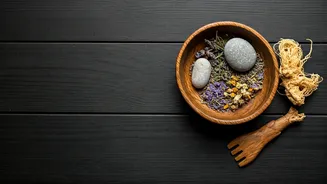
During medieval times, hair cleansing often involved surprisingly complex mixtures, particularly among the more affluent segments of society. Ingredients like egg whites, valued for their protein content and cleansing abilities, were combined with substances such as wood ash, which provided a slightly abrasive and alkaline cleaning effect. Additionally, various herbs were incorporated, likely for their aromatic properties and potential conditioning benefits. These elaborate preparations offered a multi-faceted approach to hair hygiene, addressing both cleanliness and the desire for well-maintained hair in an era predating commercial washing agents.
Water and Infrequent Cleansing
For the vast majority of people throughout history, the primary method of hair care was a combination of plain water and a significantly reduced frequency of washing. The prevailing wisdom recognized that the scalp's natural oils were beneficial for hair health, and overwashing could strip these protective elements. Consequently, the focus shifted from frequent cleansing to consistent maintenance, with regular combing being a cornerstone of this practice. This approach not only kept hair tidy but also helped to distribute oils and remove accumulated dust, demonstrating a more conservative and perhaps healthier approach to hair hygiene.