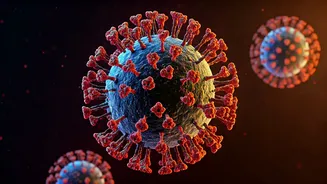








Understanding Nipah Virus
Nipah virus (NiV) is a zoonotic virus, which means it is transmitted from animals to humans. The virus, identified for the first time in 1999 during an outbreak
in Malaysia and Singapore, is from the Paramyxoviridae family and is known to cause severe disease in both animals and humans. The primary carriers of the virus are fruit bats, which are found in several regions of South Asia and Southeast Asia. Human infection can occur through various routes, including direct contact with infected animals (e.g., bats, pigs), consumption of contaminated food (e.g., date palm sap), or person-to-person transmission. The incubation period typically varies from 4 to 14 days, with symptoms manifesting as fever, headache, cough, sore throat, and dizziness. Severe cases may progress to encephalitis, leading to brain swelling and potentially death. The virus has a high mortality rate, ranging from 40% to 75% in different outbreaks, and there is currently no specific vaccine or effective treatment.
Past Outbreaks Documented
Before the current situation, the Nipah virus had caused several outbreaks, primarily in South and Southeast Asia. The earliest recognized outbreak occurred in 1999 in Malaysia and Singapore, where pigs were the main source of transmission to humans. This outbreak led to significant economic losses and public health challenges. Bangladesh has experienced multiple outbreaks since 2001, often associated with the consumption of contaminated date palm sap. Other outbreaks have been recorded in India, including instances in West Bengal and Kerala. These occurrences underscore the recurrent nature of the disease and the potential for it to resurface. The variability in mortality rates, influenced by factors like healthcare access and strain of the virus, has been observed in different outbreaks. Efforts to control these outbreaks have involved measures such as enhanced surveillance, contact tracing, and public health awareness campaigns. Furthermore, it's essential to highlight the absence of approved vaccines or treatments, making the containment of each outbreak particularly challenging. It has triggered international collaborations for research and disease monitoring.
India’s Current Situation
Recent Nipah virus outbreaks in India have heightened global attention due to the severity and potential for spread. These outbreaks, particularly in the state of Kerala, have led to increased public health measures and a vigilant response. The government and healthcare authorities have implemented comprehensive strategies to contain the virus, including rigorous contact tracing and isolation protocols. Public health officials are working to identify and monitor high-risk populations, offering education about symptoms and preventive measures. There has been a notable effort to engage with international health organizations to enhance surveillance and support research efforts. The current situation demands continuous monitoring to track the virus’s evolution and to refine containment strategies. The swift response, coupled with stringent health protocols, illustrates the importance of public preparedness and collaborative action in managing disease outbreaks. The ongoing situation in India underscores the need for global cooperation in public health.
How Worried Should People Be?
The level of concern regarding the Nipah virus involves a balance between awareness and caution. Given the high mortality rate, often between 40% to 75%, it is crucial to recognize the potential danger of infection. However, the virus's transmission patterns provide opportunities for effective preventative measures. The outbreak's concentration in specific geographic locations, along with the current measures like contact tracing and health advisories, indicates that there are active efforts to contain and control the spread. Individuals, particularly those residing in or traveling to affected regions, should stay informed about the virus’s symptoms and transmission routes. Adherence to public health guidelines, which include avoiding contact with potentially infected animals and consuming potentially contaminated food, can significantly reduce the risk of infection. While caution is advised, it is equally important to avoid unwarranted panic and rely on credible sources for up-to-date information and guidance.
Preventing Nipah Virus
Prevention of Nipah virus primarily revolves around reducing exposure and promoting public health awareness. One of the main preventive steps is to avoid direct contact with fruit bats, particularly in regions where the virus is prevalent. Also, it's crucial to abstain from consuming raw date palm sap, which is often a source of virus transmission. Proper food safety measures are essential, including thorough washing and cooking of fruits and vegetables. Practicing good hygiene, such as frequent handwashing, especially after potential exposure to high-risk areas or people, can also prevent the spread of the virus. Public health authorities are central to educating the public about the Nipah virus. This entails comprehensive health campaigns, including education on symptoms, transmission, and prevention measures. Collaborative efforts between local and international organizations are crucial in enhancing surveillance programs and implementing the best containment strategies. Furthermore, supporting research on vaccines and treatments is key to long-term control of the Nipah virus.