


Rice Selection Matters
The cornerstone of great Mexican rice starts with the right type of rice. While various options exist, long-grain white rice is typically the best choice
for this dish, as it holds its shape during cooking and absorbs flavors effectively. Avoid using short-grain rice, which can become overly sticky. The quality of the rice also plays a significant role; opting for a premium brand can enhance the final taste. Before beginning, measure the rice accurately, as the rice-to-water ratio is critical for the ideal texture. Rinsing the rice lightly under cold water removes excess starch, which helps prevent a gummy outcome. This step contributes to separate, fluffy grains, creating a more appealing texture. Preparing the rice properly from the outset ensures a superior foundation for your Mexican rice journey, setting the stage for a delightful culinary experience.
Flavorful Base Begins
The richness of Mexican rice comes from the flavorful base, a combination of aromatics and spices. Begin by heating some oil—vegetable or canola oil works well—in a pot or skillet. Add finely chopped onion, garlic, and sometimes a jalapeño pepper for a hint of heat. Sauté these ingredients until they soften and release their fragrance; this step is crucial for building depth of flavor. Next, add the rinsed rice to the pot and toast it lightly for a few minutes. This process helps to coat the grains in oil, resulting in a more distinct and delicious outcome. Subsequently, introduce the essential spices, typically including cumin, oregano, and sometimes a touch of chili powder or paprika. These spices infuse the rice with the characteristic Mexican flavors. Stir these components to evenly distribute them and allow the spices to bloom, further enhancing their taste.
Perfect Liquid Ratios
Achieving the correct liquid-to-rice ratio is vital for ensuring the proper texture of your Mexican rice. Generally, the ratio is about 2 cups of liquid per cup of uncooked rice. The liquid typically consists of water or broth, depending on the desired level of flavor. Chicken broth adds a more complex and savory taste, while water provides a more neutral base. Consider using a flavorful homemade vegetable broth to enhance the taste further. When using broth, you might need to adjust the salt, as many broths already contain sodium. Pour the liquid into the pot, ensuring it covers the rice by about an inch. Once the liquid has been added, season with salt to taste, bearing in mind the salt content of your chosen broth. Stir the ingredients and bring the mixture to a boil over high heat, creating the optimal setting for cooking.
Simmering, The Key
Once the rice and liquid reach a boil, it's time to reduce the heat and begin the simmering process. Immediately, reduce the heat to low, ensuring a gentle simmer is maintained. Avoid stirring the rice once the liquid has boiled, as stirring can release starch and make the rice gummy. Cover the pot tightly with a lid to trap the steam and allow the rice to cook evenly. Simmer for about 18-20 minutes, or until all the liquid has been absorbed, and the rice is tender. The cooking time might vary slightly depending on the type of rice and the intensity of the simmer. After the simmering time is up, remove the pot from the heat and let it sit, covered, for another 5-10 minutes. This resting period allows the steam to finish cooking the rice, resulting in perfectly fluffy grains.
Fluff and Serve
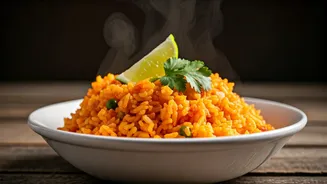
Once the resting period is complete, it's time to reveal the masterpiece. Remove the lid from the pot and gently fluff the rice with a fork. Avoid using a spoon, as this might compress the grains. The goal is to separate the grains and release any remaining steam, creating a light and airy texture. At this point, you can also incorporate additional ingredients, such as chopped vegetables like peas, corn, or diced bell peppers, for added color, texture, and flavor. Stir these ingredients gently into the rice. Taste the rice and adjust the seasoning as needed, adding more salt, or perhaps a squeeze of lime juice for extra brightness. Serve the Mexican rice hot, as a delightful side dish to complement your favorite Mexican-inspired entrees. The rich taste and fluffy texture will impress your family and friends.