



Subtle Headaches Explained
Persistent, nagging headaches, particularly those felt most intensely upon waking and localized to the back of the head, can be an understated indicator
of elevated blood pressure. While often dismissed as typical head pain, these morning headaches can stem from the body's natural blood pressure surge being exacerbated in individuals with hypertension, putting undue stress on the delicate blood vessels within the brain. Daily bouts of such headaches, often treated with over-the-counter pain relievers, might mask an underlying issue that requires medical attention rather than mere symptom management. Recognizing this pattern as a potential sign of uncontrolled blood pressure is crucial for proactive health management.
Unexplained Fatigue & Breathlessness
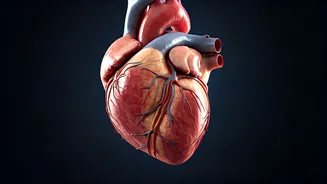
Experiencing profound tiredness that doesn't correlate with your daily activities, or finding yourself short of breath during routine tasks like walking to the gate or climbing a single flight of stairs, can be more than just a sign of aging or low fitness. When blood pressure is chronically high, the heart must exert significantly more effort to circulate blood throughout the body. This overexertion can lead to thickening of the heart's walls (left ventricular hypertrophy) and a constant drain on bodily energy reserves, resulting in persistent fatigue. Similarly, the heart muscle can become stiff over time due to hypertension, making it harder to pump blood efficiently, which consequently affects breathing during even mild exertion long before more severe heart failure manifests.
Visual Disturbances & Eye Strain
Your eyes can offer a direct window into the health of your blood vessels, and high blood pressure can begin to affect them early on, leading to symptoms like eye strain, difficulty concentrating at night, or experiencing brief periods of blurred vision after prolonged screen use. The retina's delicate arteries are particularly susceptible to the damaging effects of elevated pressure. In some instances, a condition known as hypertensive retinopathy can develop subtly, with individuals only becoming aware of their high blood pressure during a routine eye examination, highlighting the insidious nature of this condition and the importance of regular screenings.
Heart Palpitations & Vascular Stiffness
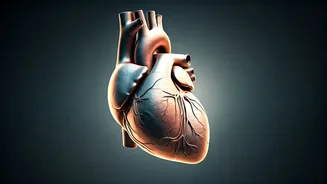
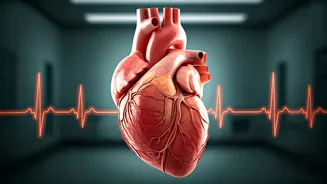
A noticeable awareness of your heartbeat, even when at rest, such as feeling your pulse distinctly in your chest or ears during quiet moments, could be linked to hypertension. High blood pressure contributes to the stiffening of arteries, causing pulse waves to become more forceful. In response to this increased resistance, the heart has to work harder with each contraction, making its beats more palpable. This subtle sensation of a pounding heart often precedes more significant structural changes within the heart, serving as an early warning sign that the cardiovascular system is under strain.
Nosebleeds & Flushing
While less common as a primary symptom, recurrent nosebleeds, especially those that occur spontaneously while at rest, should not be dismissed, particularly in adults. Abrupt spikes in blood pressure can cause the small, fragile blood vessels within the nasal passages to rupture. Similarly, facial flushing can also be an indicator of elevated pressure. These signs, though infrequent, warrant attention as they may signify a more significant underlying hypertensive event or condition that requires immediate medical assessment.
Reduced Exercise Tolerance
A gradual decline in your capacity to engage in physical activities, such as noticing a slower pace when walking over months, can be a very telling sign of developing vascular stiffness. Hypertension contributes to arteries losing their natural flexibility, which consequently impedes the adequate flow of blood to muscles during exertion. Patients often attribute this reduced stamina to factors like stress, weather changes, or sleep deprivation, but cardiologists recognize it as a potential consequence of arteries failing to adapt efficiently to increased demand, indicating a need to investigate blood pressure levels.