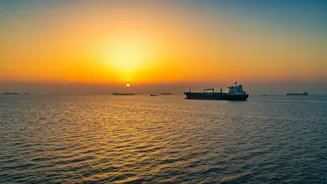








Geographic Importance Unveiled
The Strait of Hormuz is a narrow waterway located between the Persian Gulf and the Gulf of Oman, acting as the sole sea passage connecting these two significant
bodies of water to the open ocean. Its strategic position makes it a vital chokepoint for global oil transportation, with a substantial portion of the world's crude oil passing through it daily. This critical role elevates its geopolitical importance, influencing international relations and security concerns. The narrowness of the strait, coupled with the presence of multiple nations along its shores, heightens the possibility of maritime incidents and underscores the need for vigilance and cooperation among the bordering countries. The depth of the water and unpredictable weather patterns, including strong currents and sudden storms, also adds complexity to navigation in the area. Due to its strategic significance, the Strait of Hormuz is constantly monitored by various international navies and surveillance systems, which ensures the safety of ships that traverse the waterway. All these elements highlight the importance of the Strait of Hormuz as a crucial route for commerce and a key player in the intricate web of global politics.
Historical Context Analysis
Throughout history, the Strait of Hormuz has been a focal point for maritime trade and a stage for geopolitical competition. The region's strategic importance has attracted various empires and powers, all seeking to control the lucrative trade routes and access to valuable resources. The historical presence of Portuguese, British, and other European powers reflects the longstanding interest in the area. The discovery of oil in the 20th century transformed the Strait of Hormuz into an even more critical global artery. This new development intensified existing rivalries and sparked new conflicts, further shaping the region's history. The Iran-Iraq War, and other regional conflicts, have all demonstrated the potential for disruption in this area and highlighted the importance of securing this waterway for international stability. Moreover, the historical context emphasizes the continuous interplay between global economic interests, political ambitions, and the natural geographic characteristics that define the Strait of Hormuz. The historical evolution of this region showcases how the waterway has always been at the crossroads of power and commerce, with its significance only growing in the modern era.
Traveler's Safety Considerations
Travelers venturing near the Strait of Hormuz should be aware of several safety considerations. Due to its geopolitical sensitivity, the region experiences heightened security measures, and travelers must be prepared for increased scrutiny. It's imperative to stay updated on the current security situation and adhere to all travel advisories issued by their home countries. Travelers should be mindful of their surroundings and avoid any actions that could be misinterpreted as provocative or unauthorized. Navigation and maritime activities in the area may be subject to regulations and restrictions. Travelers planning sea voyages should ensure their vessels meet all international safety standards and are equipped with the required communication and security equipment. It is also advised that they have thorough knowledge of the local customs and regulations. Maintaining open communication with local authorities and seeking guidance from experienced travel professionals is recommended. Lastly, ensuring that all necessary travel documents, including visas and permits, are valid and readily accessible is a basic necessity for a safe and trouble-free trip.
Navigational Challenges Explained
Navigating the Strait of Hormuz presents unique challenges due to its complex geographical characteristics and high traffic volume. The narrowness of the waterway and the presence of numerous islands and reefs necessitate precise navigation and constant vigilance. Strong currents and unpredictable weather patterns, including sudden storms, can create hazardous conditions and can significantly affect a vessel's course. The density of maritime traffic, with tankers, cargo ships, and other vessels converging in the area, increases the risk of collisions and requires careful coordination. Navigators must be well-trained and have access to the latest navigational tools and data, including accurate charts, radar systems, and communication equipment. Adherence to international maritime regulations and the implementation of effective traffic management systems are crucial for ensuring safe passage through the strait. The potential for unexpected incidents, such as mechanical failures or security threats, further adds to the complexity. Maintaining a state of high alert and having contingency plans in place is crucial for addressing any unforeseen challenges. Therefore, traversing the Strait of Hormuz demands significant navigational expertise, constant vigilance, and meticulous adherence to safety protocols.
Best Travel Practices
To have a safer trip, travelers near the Strait of Hormuz should consider several best practices. Research and preparation are vital; travelers should familiarize themselves with the current geopolitical climate, safety guidelines, and local regulations. Before starting their journey, individuals should register their travel plans with their home country's embassy or consulate and keep their families or loved ones updated. Travelers are advised to carry necessary communication devices and emergency contact information and ensure they know local emergency services' contact information. Selecting reputable transportation and accommodation providers is another essential precaution. It is advisable to avoid displaying sensitive information or engaging in conversations that could be interpreted as provocative. When possible, travelers should travel in groups and remain vigilant about their surroundings. Respecting local cultures and customs is essential for building positive relationships and avoiding unnecessary complications. Finally, travelers should maintain a flexible itinerary and be prepared to adapt to changing circumstances or unforeseen events, remembering that staying informed, aware, and prepared can greatly enhance their safety and travel experience.