







A Healthier Grain
In today's evolving culinary landscape, a staple food like basmati rice is being re-examined for its potential health advantages. Recent scientific investigations
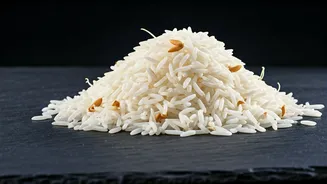
indicate that by employing specific preparation methods, this widely consumed grain can significantly contribute to better metabolic well-being. Traditionally cherished for its aromatic qualities and pleasing texture, basmati rice is now being recognized for its capacity to support healthier dietary patterns. Researchers have pinpointed a dual-step process—germination followed by parboiling—as the key to transforming ordinary basmati into a food with a reduced glycaemic impact. This innovation demonstrates how established food science can enhance the nutritional value of everyday ingredients, aligning them with modern health consciousness without altering their inherent appeal. The study signifies a promising avenue for making fundamental food items more beneficial for everyday consumption.
The Science Unveiled
The core of this groundbreaking research lies in a meticulous approach to preparing basmati rice, specifically by activating it through controlled germination and subsequently parboiling it. Germination is a biological process that essentially wakes up the grain, triggering the activity of natural enzymes. These enzymes play a crucial role in making nutrients more accessible and in restructuring the complex carbohydrates, or starches, within the rice. When this germinated rice then undergoes parboiling—a method where the rice is partially cooked while still enclosed in its husk—the resulting grain exhibits a notably slower rate of glucose release into the bloodstream. This gradual release mechanism is precisely what leads to a lower glycaemic index (GI). A lower GI is highly beneficial for managing blood sugar levels effectively and is a cornerstone of supporting overall metabolic health. To meticulously analyze these molecular transformations, the research team utilized hyperspectral imaging, a sophisticated technology that allows for an in-depth examination of the chemical and physical changes occurring within the food. Although this advanced technique is often applied in fields like environmental science, its application in assessing food quality is gaining momentum.
Taste Meets Health
A significant consideration when modifying any food item, especially a daily staple, is its impact on sensory qualities. Fortunately, this innovative preparation method for basmati rice has demonstrated remarkable success in preserving its most cherished attributes. Through rigorous sensory evaluation, the study confirmed that the combined process of germination and parboiling did not detract from the rice's signature characteristics. This means that the delicate fragrance, the light and fluffy texture, and the characteristic long-grain appearance—all hallmarks of premium basmati—remain largely intact. Maintaining these culinary qualities is paramount for consumer acceptance, particularly for foods that are a regular part of meals. The findings indicate that the enhanced nutritional profile does not come at the expense of the dining experience, making it a practical and desirable option for everyday consumption. The research also pointed to the importance of specific varieties, such as PUSA 1121, which is already popular for its exceptional grain length and cooking properties. When this variety is prepared using the new methods, its already moderate GI is further improved, appealing to consumers seeking to integrate traditional foods with modern nutritional insights.