




Tofu as a Gendered Symbol
An interesting online phenomenon has emerged where a man's aversion to tofu is being interpreted as a deeper statement about his perception of femininity
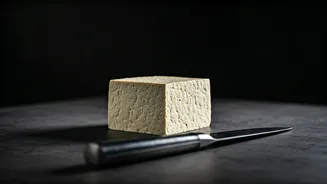
and his own masculinity. This trend, particularly prevalent on platforms like TikTok, suggests that a visceral negative reaction to soy-based products is, for some, indicative of a man's fragile ego and adherence to outdated gender stereotypes. The logic often presented is that if a man exhibits extreme disgust towards tofu, it signifies an underlying fear of anything perceived as feminine, and thus, a precarious stance on his own manliness within societal expectations. This interpretation goes beyond mere food preference, framing dietary choices as a proxy for one's broader worldview and ingrained beliefs about gender roles and power dynamics. The notion is that such strong reactions are not about taste but about deeply held, often unexamined, biases.
Expert Views on Food and Gender
The idea that food choices, particularly those associated with plant-based diets like tofu, can be seen as feminine and, conversely, meat consumption as masculine, is not entirely new. Experts like Emily Contois, author of "Diners, Dudes, and Diets," suggest that this connection holds a degree of truth, explaining how tofu has transcended its status as just a food item. It has become a symbol, representing stances on environmentalism and perceptions of what is considered an 'edible' associated with femininity. This aligns with historical notions where plants were linked to nurturing and femininity, while meat evoked images of hunters and strength, a concept also explored by Carol J. Adams in her work on the 'Sexual Politics of Meat.' Furthermore, Contois highlights how cultural contexts, such as tofu being a staple in many Asian cultures, add another layer to how these preferences are perceived, potentially reflecting broader views on global cultures and politics. Political administrations have also influenced these discussions, with some promoting meat consumption linked to traditional ideas of health and masculinity.
Navigating Social Media Trends
While social media trends can spark interesting conversations, it's crucial to approach them with caution and avoid overgeneralization. The online discourse linking tofu aversion to toxic masculinity, though widespread, risks falling into the trap of the 'fundamental attribution error,' as noted by dating coach Amy Chan. This psychological concept describes our tendency to attribute a person's behavior to their inherent character rather than external factors or simple personal preference. Just because someone dislikes tofu doesn't automatically mean they harbor toxic masculine traits or hold prejudiced views towards women. Conversely, someone who enjoys tofu might not be inherently progressive or environmentally conscious. The real value of asking someone's opinion on tofu, according to Contois, lies not in the yes or no answer, but in the subsequent conversation it can initiate, potentially revealing more about their belief systems concerning power, subordination, and broader societal issues.