




The Viral Spark
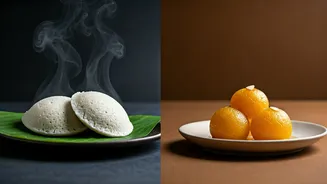
A recent online exchange set social media ablaze when a user controversially characterized the popular Indian dessert, rasgulla, as merely an 'idli dipped
in sugar syrup,' deeming it an overrated sweet. This bold assertion quickly captured widespread attention, leading many to anticipate a response from the well-known politician and wordsmith, Shashi Tharoor. The expectation was that if Tharoor, renowned for his sophisticated vocabulary and eloquent pronouncements, encountered this culinary comparison, he would undoubtedly dissect it with his signature linguistic precision, a prospect that excited many of his followers and food enthusiasts alike.
Tharoor's Linguistic Rebuttal
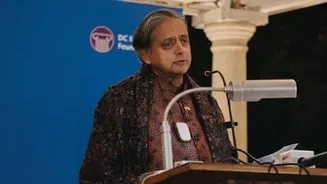
True to predictions, Shashi Tharoor responded with an articulate defense, not only of the rasgulla but more emphatically of the humble idli. He approached the comparison with a nuanced perspective, framing it as more than just a culinary misjudgment but a 'profound cosmological misunderstanding.' Tharoor meticulously broke down the fundamental differences between the two dishes, highlighting their distinct origins and preparation methods. His argument focused on the inherent nature of each item, emphasizing that to equate them was to overlook their unique identities and culinary significance.
Idli: A Culinary Marvel
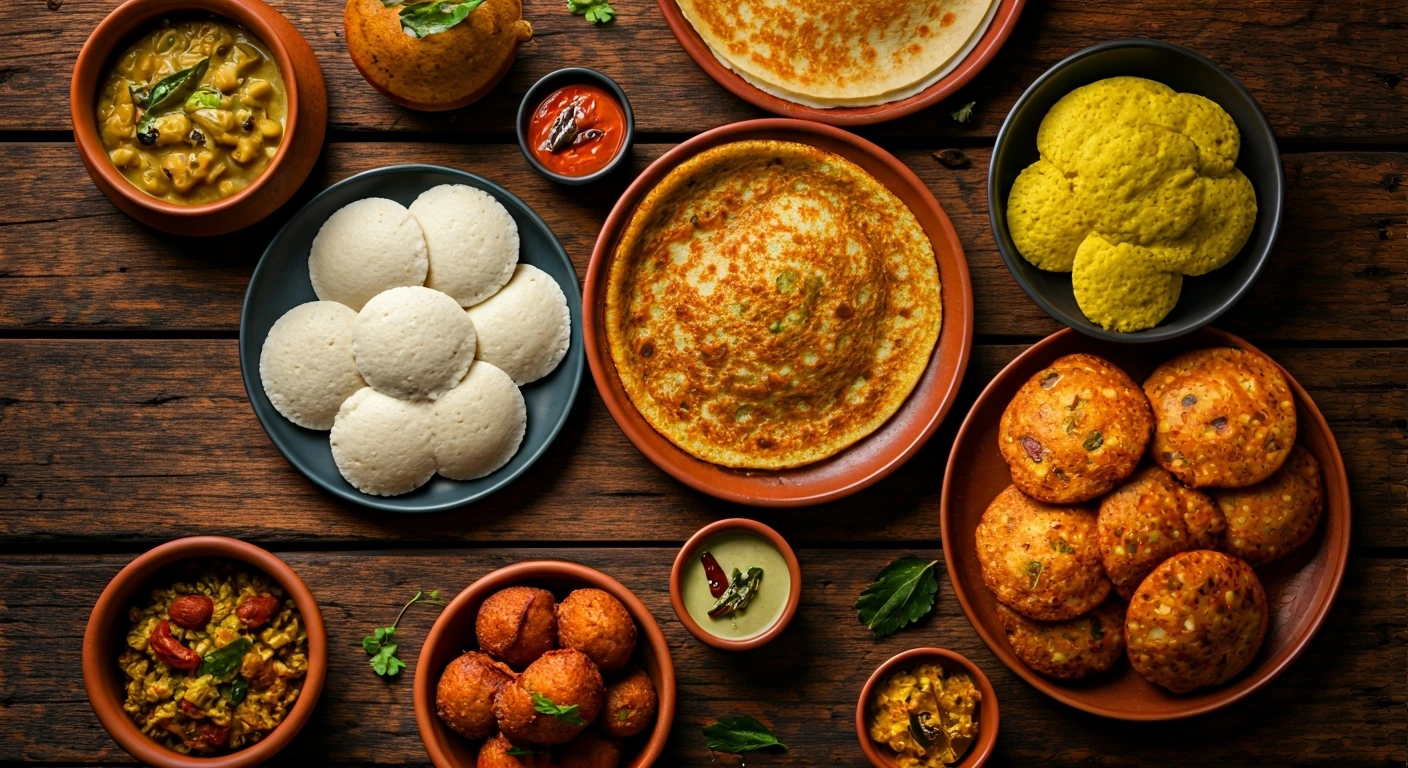
Tharoor passionately defended the idli, describing it as a 'savoury monolith of South Indian culinary genius' and an 'engineering marvel.' He elaborated on the intricate process of creating an idli, emphasizing its foundation in biotechnology. The perfect idli, he explained, is achieved through the precise balance of wild fermentation, a delicate microbial process occurring overnight. This results in a steamed delicacy that is not only light and airy but also a testament to gut health and nutritional value. He positioned the idli as a perfectly engineered food designed to complement the robust flavors of sambar or the spicy intensity of molaga podi, asserting that its inherent dignity was being undermined by the simplistic and inappropriate sugar syrup comparison.
Rasgulla vs. Idli: Core Differences
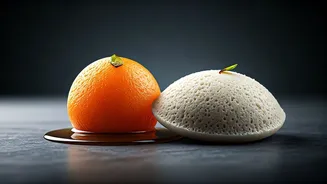
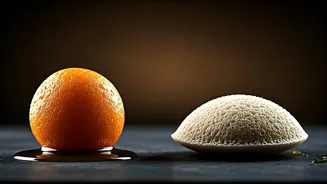
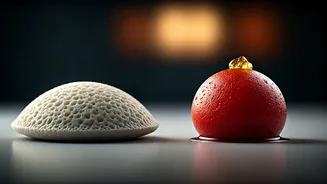
Delving deeper into the distinct compositions, Tharoor illustrated the 'biological impossibility' of the comparison. He contrasted the primary ingredient of rasgulla, chhena—described as delicate, squeaky, and pristine milk curd—with the meticulously fermented batter of parboiled rice and black gram (urad dal) that forms the idli. These components, he argued, belong to entirely different culinary realms. The rasgulla, an airy, spongy structure designed to absorb sweet syrup, stands in stark contrast to the idli's dense, wholesome, steamed matrix of complex carbohydrates and proteins. Their taste profiles, textural consistencies, structural integrity, and fundamental culinary purposes, Tharoor concluded, share absolutely nothing in common, making the initial comparison a fundamental error.
Preserving Culinary Dignity
Tharoor's defense concluded with a plea to respect the distinct roles of Indian culinary staples. He urged critics to reserve their opinions on rasgulla's sweetness or perceived overrating for discussions on the dessert's own merits. However, he strongly advocated for the idli's exclusion from such debates, particularly when they involve sugary confections. He emphasized that the 'noble, perfectly fermented, steamed majesty of the idli' deserved to be appreciated for its unique contribution to South Indian cuisine, rather than being casually dismissed or inappropriately categorized alongside sweet dishes, thereby upholding its rightful place in the gastronomic landscape.