


The Outfit Repetition Dilemma
Many of us experience a subtle unease when re-wearing an outfit, perhaps fearing judgment or simply feeling uninspired. However, the reality is that repeating
outfits is not only practical and budget-friendly but also a significantly more environmentally conscious choice than constantly acquiring new clothing. Research indicates that frequent use and restyling of garments are linked to reduced consumption and more sustainable wardrobe habits. This contradicts the prevalent notion that re-wearing is a fashion misstep. The pressure to present a new look daily, often amplified by social media's curated perfection, is unrealistic. In fact, true style icons frequently revisit their cherished pieces, skillfully adapting them to create fresh impressions. The key lies not in a constant influx of new items, but in mastering the art of intentional restyling, making repeated wearings feel deliberate and chic rather than mundane.
The One-Element Swap Strategy
The groundbreaking approach to revitalizing your existing wardrobe is remarkably straightforward: alter just one visible element each time you don an outfit. This strategy eliminates the need for a complete overhaul or substantial financial investment. For instance, if you paired black trousers with a white shirt on Monday, re-wearing the same combination on Thursday becomes instantly different by simply swapping your sneakers for ankle boots. This minor adjustment creates a distinctly new visual narrative. Scientific studies support this phenomenon, suggesting that even slight modifications in visible components can significantly enhance the perception of novelty without requiring new purchases. Our brains are wired to register contrasting visual cues rather than absolute newness. By shifting a single item, the entire ensemble is reinterpreted, much like how a capsule wardrobe’s appeal lies in its endless combinational possibilities with a limited set of core pieces. Consider your foundational outfits as a blank canvas; the single element you change acts as the brushstroke that brings a fresh perspective.
Identifying the 'One Thing'
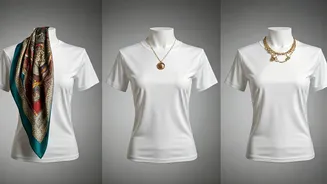
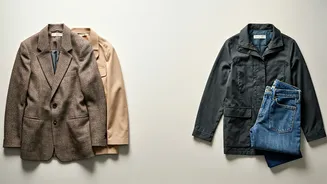
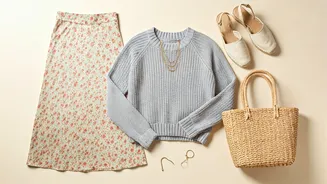
The power of this styling rule lies in its adaptability, allowing almost any visible element to serve as your transformative piece. The most impactful swaps typically involve footwear, as shoes possess a remarkable ability to alter an outfit's overall vibe. For example, the same midi dress can appear casual with trainers, sophisticated with pointed flats, or evening-appropriate with heeled boots. Outerwear is another potent element; a structured wool coat imparts a different impression than an oversized puffer or a casual leather jacket. Accessories like belts, bags, jewelry, and scarves also wield considerable influence. A statement necklace can redefine a simple top, while a different handbag can completely change the mood of an ensemble. Even subtle tweaks to silhouette, such as tucking in a shirt or belting a loose dress, can dramatically alter its character without any new acquisitions. Finally, while not clothing, changes in hair or makeup can also influence how an outfit is perceived, adding another layer of accessible restyling.
Psychology and Sustainability
The effectiveness of the one-element swap is rooted in psychology; observers tend to recall overall impressions rather than the minute details of an outfit. When you alter a single visible component, you disrupt that established impression just enough to make the ensemble feel entirely new. This aligns with research showing that people retain generalized impressions of repeated visual stimuli, including clothing. Beyond the psychological impact, this method champions sustainable fashion by maximizing the utility of existing garments. Instead of succumbing to the pressure of perpetual newness, you are actively extending the lifespan and versatility of your current wardrobe. This approach champions creativity over unchecked consumption. A common pitfall is the mindset of changing everything or nothing, leading individuals to avoid their favorite pieces due to recent wear. The smarter approach is to embrace your most-loved items and simply introduce small, intentional variations each time.