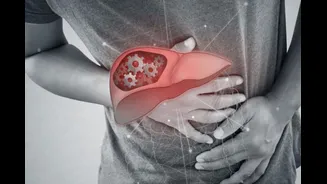








Genetic Blueprint for Life
Our genes, essentially the instruction manuals for our bodies, play a central role in how we age. They dictate everything from the speed at which our cells
renew to our susceptibility to various diseases. While external factors like diet, exercise, and environment undoubtedly influence our health, genes set a fundamental baseline. For instance, some people may have genes that predispose them to certain conditions, such as heart disease or diabetes, making them more vulnerable regardless of their lifestyle. Others might inherit genes that promote cellular repair and resilience, potentially leading to a longer lifespan. The complex interplay of genes means that even with optimal health habits, genetic predispositions can significantly impact our longevity.
Environment's Influence
Although genes have considerable power, our environment shapes how these genes express themselves. This interaction is often described as nature versus nurture. For example, individuals with a genetic predisposition to heart disease can significantly reduce their risk by maintaining a healthy diet, exercising regularly, and avoiding smoking. Conversely, someone with favorable genes could undermine their potential for a long life by adopting unhealthy habits. The environment includes everything from our diet and exposure to toxins to the level of stress we experience. These environmental factors can switch genes on or off, ultimately altering our health trajectory. Therefore, understanding your genetic makeup is only half the battle; how you respond to your environment completes the picture.
Disease and Aging
Genes also have a significant influence on the diseases we are likely to experience as we age. Certain genetic mutations can increase our risk of developing conditions like cancer, Alzheimer's, or cardiovascular disease. These mutations may affect cellular processes, immune responses, or the ability to repair damaged DNA. However, having these genes doesn't necessarily guarantee that a person will develop the disease. Lifestyle factors can delay the onset or severity of these conditions. For instance, regular physical activity and a balanced diet can help to mitigate the impact of genetic predispositions. Therefore, the goal is to manage both genetic predispositions and environmental factors for a longer, healthier life. The objective is to understand how your genes interact with your surroundings to make informed choices for a long and healthy life.
Embracing Personalization
The future of healthcare is moving toward personalized medicine, where treatments and strategies are tailored to an individual's genetic profile. Genetic testing is becoming increasingly accessible, offering insights into our predispositions and health risks. Armed with this knowledge, individuals can work with healthcare professionals to develop personalized plans, focusing on preventive measures, early detection, and targeted interventions. For example, if someone learns that they have a higher genetic risk of heart disease, they might focus on a heart-healthy diet, regular exercise, and regular check-ups. Personalized approaches involve understanding the specific genetic variants that affect your health, and then tailoring your lifestyle to mitigate risks and maximize your well-being.
Lifestyle Adaptations
Making informed lifestyle choices is an essential part of managing your genetic health profile. While you cannot change your genes, you can significantly influence how they express themselves. This includes prioritizing a balanced diet rich in fruits, vegetables, and whole grains, getting regular physical activity, managing stress levels through practices like yoga or meditation, and avoiding harmful substances like tobacco and excessive alcohol. Additionally, ensuring sufficient sleep and regular health check-ups are essential. These lifestyle modifications can help to prevent disease, slow down the aging process, and optimize overall health. Understanding your genetic vulnerabilities allows you to tailor your habits to support your long-term health.