
Initial Assessment
Breathlessness, particularly after exertion like climbing stairs, is a signal that your body might not be getting enough oxygen. When you exert yourself,
your body demands more oxygen to fuel your muscles. A healthy respiratory system easily meets this demand. If you find yourself gasping for air, it indicates a mismatch between the oxygen supply and the demand. This mismatch can stem from various underlying issues affecting your lungs or heart. It's important to recognize that this is a symptom, not a diagnosis, and requires proper investigation. Recognizing the frequency and severity of the breathlessness is the first step toward understanding the underlying cause. Regular occurrences or worsening symptoms should prompt you to seek medical consultation to determine what the cause may be and find ways to alleviate it.
Possible Causes
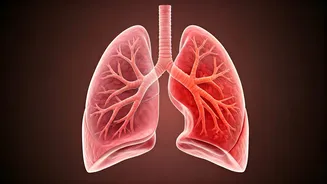
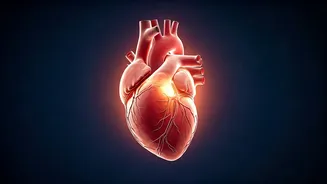
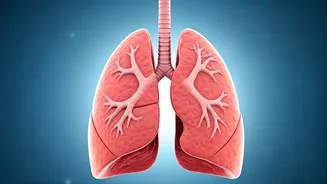
Several conditions can lead to breathlessness after climbing stairs. Respiratory problems are primary suspects, including asthma, chronic obstructive pulmonary disease (COPD), and infections. Asthma causes airway inflammation, making it harder to breathe, particularly during physical activity. COPD, often linked to smoking, impairs airflow in the lungs. Respiratory infections, like pneumonia, can also cause significant breathlessness due to inflammation and fluid buildup in the lungs. Heart conditions are also common culprits. Congestive heart failure, for example, prevents the heart from pumping blood efficiently, leading to fluid buildup in the lungs and shortness of breath. Anemia, which is a deficiency of red blood cells, reduces the amount of oxygen your blood can carry, making you feel winded even with minimal exertion. Anxiety can also cause hyperventilation, thus creating a sensation of breathlessness.
When to Act
The severity and frequency of breathlessness are critical factors in determining when to seek medical advice. If you experience shortness of breath frequently, even after light activity, it's time to consult a doctor. Worsening symptoms, such as increased breathlessness, chest pain, or a persistent cough, warrant immediate attention. If breathlessness is accompanied by other symptoms like dizziness, lightheadedness, or blue discoloration of the lips or fingertips, it is a medical emergency. Do not wait for symptoms to worsen. It is also important to seek help if breathlessness interferes with your daily activities or reduces your quality of life. A medical professional can conduct tests to determine the underlying cause and recommend appropriate treatments. Early detection and intervention are key to managing any underlying condition and minimizing the impact on your health.
Professional Advice
When consulting a pulmonologist, be prepared to provide detailed information about your symptoms. Be prepared to share when the breathlessness occurs, what triggers it, and any other associated symptoms. The doctor will likely conduct a physical examination and may order diagnostic tests to determine the root cause of your breathlessness. Tests can include a chest X-ray to examine the lungs, a spirometry test to assess lung function, and blood tests to check for underlying conditions like anemia. In some cases, more specialized tests, such as a CT scan or echocardiogram, might be ordered. It is important to adhere to the doctor's treatment plan. This may include medication, lifestyle adjustments, and pulmonary rehabilitation. Regular check-ups are also essential to monitor your condition and adjust treatment as needed. Remember, breathlessness is a symptom, and prompt medical attention can help determine the underlying cause.