


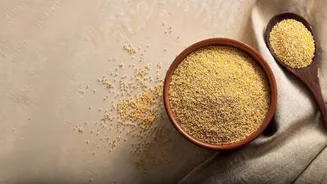
The Art of Ragi Dough
Crafting perfect ragi rotis begins with the dough. Combine ragi flour with optional whole wheat flour for added softness and a pinch of salt. Gradually
incorporate warm water, kneading gently until a soft, pliable dough forms. The key is to achieve a consistency similar to wheat dough, though ragi can be slightly stickier. Avoid making the dough too stiff, as this will inevitably lead to tough rotis. Allowing the dough to rest, covered with a damp cloth for about 10-15 minutes, further enhances its texture and makes it easier to handle. This resting period allows the ragi flour to hydrate properly, contributing significantly to the final softness of your rotis.
Shaping and Cooking Techniques
Once your dough is ready, divide it into equal portions and shape them into smooth balls. For shaping, you have a few options. You can gently flatten a dough ball with your palms on a lightly floured surface, or use a rolling pin with care. For a more consistent and less messy approach, place the dough ball between two sheets of parchment paper or plastic wrap and roll it out to your desired thickness and round shape. Heat a tawa or griddle over medium heat. Place the rolled roti onto the hot surface. Cook for about 30 seconds to a minute until small bubbles appear, then flip. Cook the other side for another minute. To achieve that classic puffed roti, you can either carefully place it directly on a medium flame for a few seconds on each side until it puffs up, or gently press it with a spatula on the tawa until both sides are cooked and lightly golden brown spots appear.
Enhancing Softness & Flavor
To ensure your ragi rotis remain delightfully soft even after cooking, several tips can be applied. Utilizing a blend of ragi and wheat flour is a popular method, as wheat flour contributes natural softness. Ensure the dough is well-kneaded and remains soft – a stiff dough is the enemy of soft rotis. The resting period for the dough is crucial. Furthermore, managing the cooking heat is important; avoid overcooking the rotis on excessively high heat. After cooking, spreading a little ghee or oil on the surface of the hot roti not only adds a richer flavor but also helps retain its moisture and softness. For an added layer of flavor and nutrition, you can incorporate finely chopped ingredients like onion, green chili, and fresh coriander leaves directly into the dough mixture before kneading.
Nutritional Powerhouse Benefits
Ragi, or finger millet, is a nutritional powerhouse that offers significant health benefits, especially for those focused on weight management and blood sugar control. Its high fiber content promotes satiety, helping you feel fuller for longer and reducing overall calorie intake, which is instrumental in weight loss. The complex carbohydrates in ragi digest slowly, leading to a gradual release of glucose into the bloodstream. This characteristic is particularly beneficial for individuals with diabetes, as it helps prevent sharp spikes and subsequent crashes in blood sugar levels, promoting more stable energy throughout the day. Beyond these, ragi is an excellent source of essential minerals like calcium, contributing to bone health, and offers a good amount of plant-based protein and dietary fiber, further supporting digestive health and metabolic regulation.
Ideal Sabzi Pairings
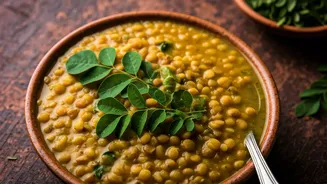
To create a truly balanced and nutritious meal with your ragi rotis, pairing them with the right sabzis is essential. For a protein and nutrient boost, a Palak Chana Sabzi, combining iron-rich spinach with muscle-building chickpeas, is an excellent choice. For a lighter, hydrating option that supports weight loss, Lauki Tomato Sabzi, featuring low-calorie bottle gourd and vitamin C-rich tomatoes, is ideal. A Mixed Vegetable Capsicum Sabzi, packed with diverse vitamins and minerals from various vegetables, enhances immunity and energy. The earthy flavor of Methi Aloo Sabzi complements the nutty ragi, while keeping potato content moderate. Finally, a Tori Moong Dal Sabzi offers hydration and protein from ridge gourd and yellow moong dal, promoting gut health and sustained energy, making each meal a wholesome experience.