







Budget Allocation Overview
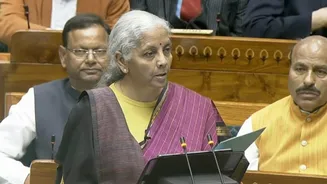
The Education Budget 2026 saw a substantial allocation of funds, with a total of Rs 1,39,285.95 crore dedicated to the sector. This represents an increase
compared to the previous year, highlighting the government's commitment to investing in education. This increased funding aims to facilitate various initiatives, including infrastructure improvements, curriculum enhancements, and the implementation of new programs. Such investments are geared towards creating a more robust and accessible education system across India. These financial provisions underscore the government's strategic focus on elevating educational standards and fostering comprehensive development within the nation's educational framework. They directly influence resource availability and the expansion of educational projects, thereby impacting various aspects of the sector.
Focus on Infrastructure
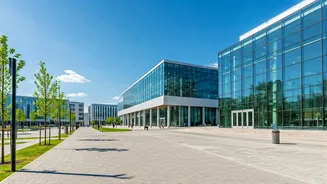
The Education Budget 2026 placed considerable emphasis on infrastructure development, as evident from several key announcements. One significant aspect was the establishment of girls' hostels in every district, aimed at improving access to education for female students and ensuring their safety and well-being. Furthermore, the budget included plans for new institutions, notably three new AIIMS (All India Institutes of Medical Sciences) and three Ayurveda institutes, which would bolster healthcare education and research. Additionally, the budget introduced a design school, signaling a move towards promoting innovation and creativity in education. These infrastructural investments are critical to enhancing educational facilities and expanding the scope of learning opportunities. These initiatives directly address critical needs for improved accessibility, safety, and specialized educational programs.
Bridging Education & Employability
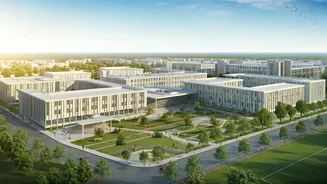
A significant objective of the Education Budget 2026 was to bridge the gap between education and employability, reflecting a 'youth-centric, employment-oriented' approach. This commitment was evident in the announcement of university townships and the establishment of AI labs. University townships aim to create integrated ecosystems that blend education with residential and recreational facilities, potentially fostering a more holistic learning environment. The implementation of AI labs signifies a move towards equipping students with skills relevant to the future job market. These facilities are designed to equip students with practical skills, and they focus on emerging technologies and industry-specific training. This emphasis on skill-based education is aimed at increasing graduates' employability and ensuring they are well-prepared for the challenges of the modern workplace.
Skill Development Initiatives
The Education Budget 2026 also highlighted initiatives for skill development, aiming to make education more practical and job-oriented. One notable initiative was the introduction of new courses such as the Disaster Management Skill Course, which universities are required to introduce from the academic year 2026–27. This move suggests an effort to integrate real-world skills into the curriculum, offering students practical knowledge relevant to current challenges and opportunities. Also included were programs focused on AVGC (Animation, Visual Effects, Gaming, and Comics) and content labs, reflecting the growing importance of these fields. Such initiatives ensure that students gain expertise in critical and emerging sectors, making them ready for a dynamic job market. These skill-focused programs enhance the quality of education and align the curriculum with the demands of evolving industries.
Impact and Future Outlook
The Education Budget 2026 is projected to bring several positive changes to the Indian education system. The increased financial allocation indicates a sustained commitment to improving the quality and accessibility of education. The focus on infrastructure development, including new institutions and girls' hostels, aims to create a more inclusive and supportive learning environment. The emphasis on bridging the gap between education and employability, through the establishment of university townships and AI labs, seeks to equip students with job-ready skills. These factors collectively indicate a transformative approach that will improve the educational experience and outcomes for students across India. These changes are expected to not only enhance the education system but also boost India's long-term economic prosperity.