






Debunking Detox Myths
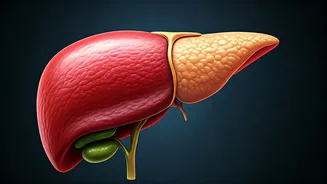
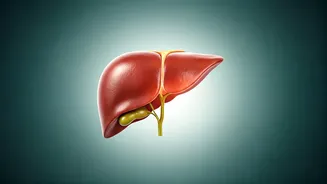
Forget miracle elixirs and juice cleanses promising to 'detox' your liver. Your liver is a marvel of biological engineering, constantly performing intricate
Phase I and Phase II detoxification processes around the clock. No external concoctions, be they herbal teas, specialized supplements like milk thistle, or trendy juice blends, can enhance this natural, continuous function. In reality, some of these so-called detox aids have been documented to cause liver injury, directly contradicting their advertised benefits. Trust in your body's inherent ability to cleanse itself; it's a sophisticated system that requires no artificial boosters.
Alcohol's True Impact
The notion of a 'safe' or 'moderate' amount of alcohol for liver health is a dangerous myth. Leading hepatologists assert that any consumption of alcohol initiates harm to the liver from the very first drink. Previous studies suggesting protective effects from moderate drinking have been thoroughly discredited, found to be tainted by methodological flaws such as 'abstainer bias.' Modern scientific approaches, like Mendelian randomization, confirm that the safest level for your liver is unequivocally zero milliliters. Understanding this crucial point is fundamental to safeguarding your liver's long-term function and preventing serious damage.
Hidden Dangers in 'Natural' Products
In an era where 'natural' and 'Ayurvedic' are increasingly marketed as inherently safe, a concerning trend has emerged: these products are now a primary cause of acute liver failure. Many so-called natural supplements, including commonly recognized items like Ashwagandha, green tea extract, Garcinia, kratom, high-dose turmeric, and Giloy, are frequently implicated in liver injury registries across India, the United States, and Europe. Consumers are urged to exercise extreme caution and question the safety of these remedies, as their perceived natural origin does not guarantee their benignity for liver health.
Coffee's Liver Protection
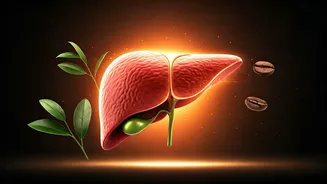
The humble cup of coffee offers a surprising protective shield for your liver. Consuming 2-3 cups daily, whether caffeinated or decaffeinated, has been consistently shown to reduce the risk of developing serious liver conditions such as fibrosis, cirrhosis, and even liver cancer. This dietary intervention stands out due to robust and replicable scientific evidence supporting its benefits. It represents one of the most well-documented and accessible ways to actively support and preserve your liver's health through a simple, enjoyable habit.
Weight Loss for Fatty Liver
Fatty liver disease affects a significant portion of the global population, with approximately one in three adults worldwide experiencing it. Fortunately, effective management is achievable through lifestyle changes, primarily weight loss. Losing just 7-10% of your body weight can lead to a remarkable improvement, including the clearance of liver fat, regression of early-stage fibrosis, and a reduction in liver inflammation. Currently, no pharmacological intervention surpasses the efficacy of dietary adjustments and increased physical activity for addressing fatty liver disease, making your plate and your steps the first-line therapy.
Sugar's Silent Threat
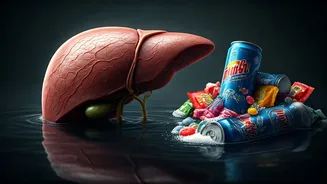
Sugar-sweetened beverages are a major contributor to the development of fatty liver disease. The liver is primarily responsible for metabolizing fructose, a common component of these drinks, directly converting it into fat. Even the consumption of a single soda daily can elevate the risk of Metabolic Dysfunction-Associated Steatotic Liver Disease (MASLD), irrespective of overall calorie intake. This highlights the critical need to limit intake of sugary drinks to protect liver health.
Vaccination and Screening
Proactive measures against viral hepatitis are essential for liver health. It is strongly recommended to get vaccinated for Hepatitis B, which offers over 95% protection against chronic infections, cirrhosis, and liver cancer. Furthermore, individuals should undergo screening for Hepatitis B (HBV) and Hepatitis C (HCV) at least once in their lifetime. Hepatitis C is curable in 8-12 weeks with a success rate exceeding 95%, yet many carriers remain unaware of their infection, underscoring the importance of testing.
Exercise for Liver Function
Engaging in regular physical activity provides substantial benefits for liver health, even independently of weight loss. Aiming for 150 minutes of moderate-intensity exercise or 75 minutes of vigorous activity per week can significantly reduce liver fat accumulation and decrease liver stiffness. This consistent exercise regimen plays a vital role in maintaining a healthy liver, complementing other lifestyle strategies for optimal well-being.