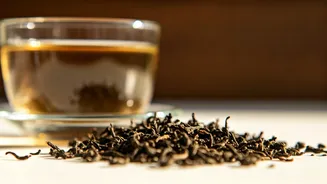

The Filter Paper Test
One quick method to assess your tea involves a filter paper. This is a very easy way of spotting if the tea leaves are authentic or if they have been tampered
with. Simply place the tea leaves on a piece of filter paper, and then add a few drops of water. If the filter paper absorbs the color of the tea in a uniform manner, this suggests it is likely authentic. However, if artificial coloring has been used to alter the tea, the color may bleed or spread unevenly across the filter paper, which may be a sign of possible adulteration. This test offers an initial view of the tea’s composition, giving an easy first step to help guarantee your tea is safe and as advertised.
The Magnet Test Method
A fascinating test to determine if your tea has any metallic elements involves using a magnet. Due to manufacturing processes and potential adulteration, some tea may have metallic impurities mixed in. Put the tea leaves in a small pile on a flat surface. Take a magnet and carefully bring it close to the tea. Genuine tea leaves should not be attracted to the magnet. If the tea includes any metallic filings, you might observe some of the tea leaves stick to the magnet. Although not always present, the presence of metallic particles might show a lower grade of tea, which means the tea has been processed in a way that allows these foreign particles to contaminate it. This test is a useful, quick method to get a general idea of your tea's quality.
At Home Tea Checks
Tea fraud can be an issue, but there are FSSAI-approved tests you can conduct in your kitchen. These tests are simple and help you determine whether the tea you consume is genuine or not. You can perform the filter paper test where you place tea leaves on a filter and add water, observing the color spread. A uniform color spread implies authenticity; an uneven spread might suggest adulteration. The magnet test, another option, is useful for checking for any metallic particles. When a magnet is brought close to the tea, authentic tea leaves won't be attracted. The presence of metallic elements may indicate lower quality. Conducting these at-home tests helps in ensuring your tea’s safety.
Why Quality Checks?
Understanding the importance of quality checks for tea is vital for protecting your health and ensuring you get what you pay for. Tea is a product that can be easily manipulated during its production. Adulterated tea might contain artificial colors or metallic particles that can be harmful. Checking your tea is important to verify its safety and purity, providing you the best experience and the highest nutritional value from your tea. When you ensure the quality of the tea, you are choosing a healthier option for yourself. So, it's essential to perform these checks to ensure you receive the true benefits of the tea. Quality checks will reduce potential health risks.
Other Buying Tips
Besides the tests, there are more steps that can help you become aware while buying tea. First, check the packaging. Good tea is often packaged in ways that will protect the leaves from light and humidity, which can affect the tea's quality. Check for signs of tampering, like tears or openings in the packaging, or even if the packaging does not match what is advertised. Also, note the appearance of the tea leaves. If they seem unnaturally uniform in color or size, they might have been treated or colored artificially. Finally, purchase tea from reliable retailers or brands, because they have quality control procedures in place to make sure that the tea is authentic. Being more aware helps you make well-informed decisions.