





Understanding Hair Loss
Experiencing a sudden bald spot can be alarming, and it's a challenge many women face. It's crucial to understand that hair loss in women is complex and can stem
from various factors, including elevated stress levels, hormonal fluctuations, insufficient iron intake, or even consistently tight hairstyles. While home remedies are excellent for supporting renewed hair growth, their effectiveness is amplified when you also address the root causes behind the thinning. For newly developed or mild bald spots, these natural methods can be incredibly beneficial in stimulating the scalp and encouraging a return to healthy hair growth patterns.
Coconut Oil Nourishment
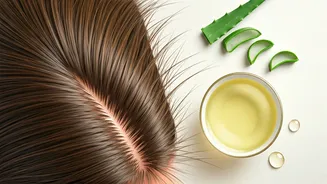
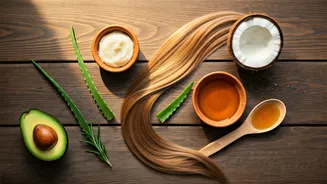
Coconut oil is a time-tested remedy, celebrated for its ability to penetrate the hair shaft and prevent protein loss, thus reducing breakage of existing strands. The magic, however, lies not just in the oil itself but in the application technique. To use, warm a small amount of coconut oil until comfortably warm and then gently massage it into the affected area for 5 to 10 minutes using circular motions with your fingertips. This massage action significantly boosts blood circulation to the hair follicles, acting as a vital stimulus for dormant hair. It's recommended to perform this treatment 2 to 3 times weekly, ideally leaving the oil in overnight or for several hours before washing to maximize its benefits.
Onion Juice Power
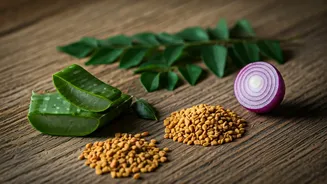
Despite its potent aroma, onion juice is a highly effective, trending remedy for hair regrowth, primarily due to its rich sulfur content. Sulfur is a fundamental component in the synthesis of collagen and keratin, essential proteins for hair structure. To implement this treatment, grate or blend an onion to extract its juice. Apply this juice directly onto the bald patch and let it sit for approximately 20 to 30 minutes before rinsing thoroughly. This potent application is known to enhance blood flow to the scalp and has shown promise in studies for helping to manage patchy hair loss. For those sensitive to the smell, adding a few drops of rosemary or lavender essential oil can help to mask the distinctive odor.
Aloe Vera Soothing
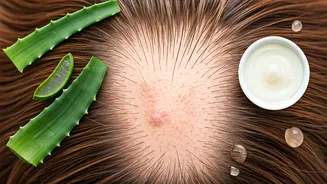
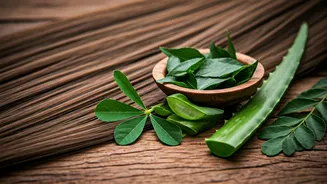
When scalp irritation, inflammation, or dryness hinders hair growth, aloe vera offers a calming and restorative solution for your hair follicles. The best results are typically achieved with fresh aloe vera gel. Apply the gel directly to your scalp, allowing it to remain for 30 to 40 minutes before rinsing with lukewarm water. Aloe vera works by cleansing clogged follicles and reducing scalp inflammation, thereby creating an optimal environment for new hair to emerge and grow. This soothing treatment can be comfortably incorporated into your routine 2 to 3 times a week.
Castor Oil for Thickness
Castor oil is renowned as a potent hair treatment, largely due to its high concentration of ricinoleic acid, which is celebrated for its ability to enhance hair thickness. Due to its viscous, honey-like consistency, it's advisable to blend it with a lighter oil, such as almond or coconut oil, to facilitate easier application. Massage the mixture into the scalp and leave it overnight. The oil deeply nourishes the hair roots and establishes a protective layer that maintains a healthy scalp environment. Given its density, applying castor oil once or twice a week is usually sufficient.
Fenugreek Seed Benefits
Fenugreek seeds, a common kitchen staple, are an underestimated yet powerful remedy for hair health. They are abundant in nicotinic acid and protein, vital components for hair structure. To prepare this remedy, soak fenugreek seeds in water overnight, then grind them into a smooth paste the following morning. Apply this paste as a mask to your scalp and let it sit for 30 minutes before rinsing. Fenugreek is particularly effective in strengthening hair roots and stimulating growth in areas experiencing thinning.
Garlic Oil Stimulation
Similar to onions, garlic is a rich source of sulfur and can be highly beneficial for stimulating hair growth, especially when you feel that growth has completely stalled. To prepare garlic oil, crush a few cloves of garlic and gently heat them in a small amount of coconut oil. Once cooled, strain the oil and use it as a targeted treatment on the bald spot. This potent oil is typically applied once a week to maximize its stimulating effects on the scalp.
Managing Stress Effectively
The impact of stress on hair health cannot be overstated; elevated cortisol levels can significantly impede hair growth by keeping follicles in a resting phase. Stress-induced shedding, medically known as telogen effluvium, is a common issue among women. While reducing stress is easier said than done, prioritizing 7 to 8 hours of sleep and incorporating short relaxation techniques like deep breathing exercises or yoga for about five minutes daily can help calm the nervous system, which in turn positively influences the hair growth cycle.
Diet for Hair Growth
Your body prioritizes nutrients for vital organs before hair. If your diet lacks essential nutrients, hair growth will be among the first processes to be suppressed. Focus on consuming adequate protein through sources like lentils, eggs, and paneer. Ensure sufficient iron intake from foods such as spinach and dates, and incorporate healthy fats from walnuts and seeds. Without proper iron levels, topical treatments alone may not effectively resolve hair thinning.
Practices to Avoid
Sometimes, refraining from certain hair practices is as crucial as adopting new remedies. When dealing with a bald spot, it's important to steer clear of hairstyles that put excessive tension on the hair roots, such as tight buns, braids, or ponytails. Additionally, minimize the use of heat styling tools like flat irons, and avoid harsh chemical treatments such as bleaches or perms until you observe signs of regrowth. Protecting your hair from further damage is key to fostering a healthy environment for recovery.
Patience and Timeframe
It's essential to approach hair regrowth with realistic expectations, as it is a gradual process. Significant results are not instantaneous. Within 4 to 6 weeks, you might start noticing the appearance of fine, new 'baby hairs.' By 2 to 3 months, the bald patch should begin to fill in more noticeably. The key to seeing these results is consistency; frequently switching between different remedies can hinder progress. Sticking to a chosen regimen is paramount for success.
Seeking Professional Help
While home remedies can be highly effective, they are not a universal solution. It is advisable to consult a dermatologist if your bald spot is rapidly expanding, if your scalp experiences pain, itching, or significant redness, or if you are losing hair in large clumps. Furthermore, seeking medical advice is important if you notice other concerning symptoms, such as extreme fatigue or irregular menstrual cycles, which could indicate underlying hormonal or thyroid conditions. Managing a bald spot can be emotionally challenging, but remember that it's often a reversible condition. Treat these remedies as acts of self-care for your scalp, be patient, and provide your body with the nourishment and rest it needs for optimal recovery.