






Food Security Achieved?
India has made impressive strides in securing its food supply. The availability of staple foods like rice, wheat, and pulses is now widespread. However,
the fight against malnutrition is far from over. This is because simply having access to food isn't enough to guarantee proper nourishment. The focus has to shift from merely providing sustenance to ensuring that the food consumed is rich in nutrients and supports overall health and well-being.
Hidden Nutrient Deficiencies
The seemingly simple reality of daily diets reveals a significant problem: the nutritional inadequacies of India's staples. Wheat, rice, and pulses, which form the cornerstone of the Indian diet, are often deficient in key micronutrients. This means that even when people consume these foods regularly, they might still lack essential vitamins and minerals crucial for growth, development, and overall health. Addressing these deficits is a critical step towards improving India's nutrition landscape and promoting healthier lives for all.
Why Malnutrition Persists
Several factors contribute to the persistence of malnutrition in India. One major factor is the inadequate intake of diverse food groups. The reliance on a limited range of staples often means that people don't get a wide variety of nutrients. Poverty and lack of awareness also play a role, as nutritious foods might be unaffordable or inaccessible to some populations. Furthermore, poor sanitation, inadequate access to clean water, and prevalence of infectious diseases can exacerbate the problem, making it even harder for the body to absorb nutrients effectively.
Beyond Dal-Chawal: Nuances
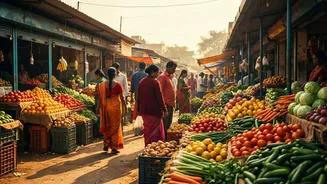
The prevailing Indian diet, centered on dal (pulses) and chawal (rice), while providing energy, often falls short in delivering essential nutrients. This dietary pattern, common across the country, highlights a crucial aspect of the issue: the necessity for dietary diversity. Including a broader range of food choices, like fruits, vegetables, and protein sources, is vital to ensure adequate intake of vitamins, minerals, and other vital nutrients required for healthy body functions and to promote growth. This shift in focus is essential to tackle the root causes of malnutrition.
The Road Ahead
Tackling malnutrition in India requires a comprehensive strategy that addresses multiple aspects. Improving agricultural practices to enhance the nutritional content of crops is essential. Simultaneously, educating people about the importance of a balanced diet and promoting access to affordable, nutrient-rich foods are crucial steps. Strengthening healthcare systems, improving sanitation, and tackling poverty are also important for creating an environment where every individual has the opportunity to achieve optimal nutrition and a healthier life.