





The Vitamin D Factor
Vitamin D, often called the sunshine vitamin, is a fat-soluble nutrient that's critical for various bodily functions. Unlike many other vitamins, our bodies
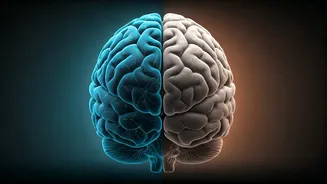
can produce vitamin D when exposed to sunlight. However, factors like limited sun exposure, skin pigmentation, and age can hinder this natural process, leading to deficiencies. Vitamin D plays a crucial role in calcium absorption, bone health, and immune function. Additionally, vitamin D receptors are found throughout the brain, hinting at its involvement in neurological processes. When vitamin D levels are insufficient, it may disrupt these critical pathways, potentially affecting mood regulation and contributing to anxiety symptoms. This multifaceted role makes vitamin D deficiency a significant health concern, particularly in regions with limited sunlight or lifestyles that restrict outdoor activities. Understanding the vitamin's complex influence is essential for anyone seeking to improve their mental and physical health.
Anxiety's Invisible Amplifier
The relationship between vitamin D deficiency and anxiety isn't always straightforward, but several mechanisms may explain it. One key factor is vitamin D's influence on the brain's neurotransmitter systems. Specifically, vitamin D receptors can impact the production and function of serotonin, a neurotransmitter linked to mood regulation. Low levels of vitamin D may disrupt serotonin signaling, potentially leading to increased anxiety symptoms. Furthermore, vitamin D deficiency can trigger inflammation in the body. Chronic inflammation is known to affect mental health, potentially exacerbating anxiety and mood disorders. Studies have also revealed that vitamin D may play a protective role in the brain, with deficiency potentially increasing vulnerability to stress and anxiety. Overall, vitamin D acts as an invisible amplifier, amplifying existing anxiety symptoms for those with a deficiency. Restoring healthy vitamin D levels may offer a way to mitigate these effects.
Who's More Vulnerable?
Certain individuals may be at a higher risk of experiencing anxiety symptoms related to vitamin D deficiency. Those with limited sun exposure are prime candidates. People living in northern latitudes or who spend most of their time indoors naturally receive less sunlight, reducing vitamin D synthesis. Individuals with darker skin pigmentation also need more sun exposure to produce the same amount of vitamin D. Age is another factor, as older adults often have decreased vitamin D production in their skin and may experience reduced absorption. Certain medical conditions, like malabsorption disorders, can also interfere with vitamin D uptake. Additionally, people struggling with mental health issues may be more sensitive to the effects of nutrient deficiencies. The combined effect of these factors shows that recognizing individual risk factors is crucial for preventive measures. For those at higher risk, regular vitamin D level check-ups and targeted supplementation might be particularly important.
How Much is Enough?
Determining the correct amount of vitamin D needed varies from person to person. However, establishing a baseline guideline is essential for overall health. While specific recommendations may vary, many experts suggest aiming for blood levels of at least 30 ng/mL (nanograms per milliliter) to maintain adequate vitamin D status. Some people may benefit from higher levels, particularly if they are addressing a known deficiency or experiencing anxiety symptoms. It is vital to consult a healthcare professional for personalized guidance. They can assess your individual needs based on your health history, lifestyle, and other factors. Vitamin D intake can come from sunlight exposure, dietary sources (such as fatty fish, egg yolks, and fortified foods), and supplements. Supplementation can be particularly helpful for those who cannot get sufficient sun exposure or who have dietary restrictions. Regular blood tests can monitor vitamin D levels and help ensure that you are maintaining the right balance for your health and well-being.